Luca Science Inc. has raised $30.3 million in an oversubscribed series B financing, enabling it to advance a mitochondria replacement therapy toward the clinic. The company is planning a phase Ib trial in myocardial infarction, in which 8 to 12 patients will receive injections of mitochondria immediately after having a heart attack.
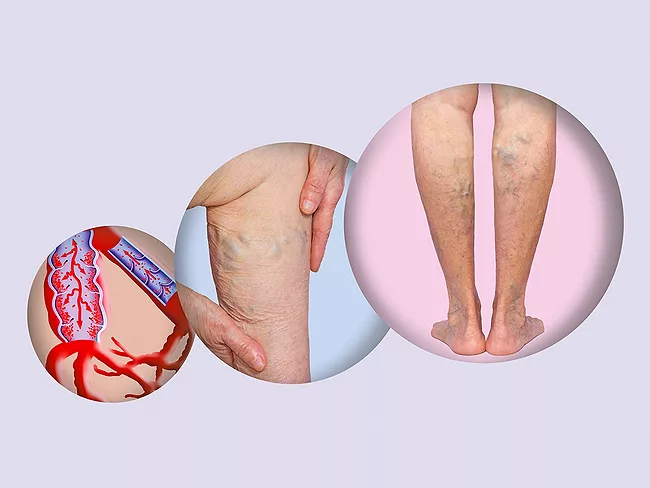
Less than three years after unveiling the first Sonovein device, Theraclion SA is launching its CE-marked, third-generation platform, Sonovein HD. This represents a new generation of robotics platform for noninvasive treatment of varicose veins. The new version integrates the acquisition and analysis of technical data during the procedure.
Those who are burdened with Marfan syndrome face a lifetime of multi-organ system issues including potential aortic aneurysm, but help may be on the way in the U.K. The National Institute of Health and Care Excellence (NICE) has issued a recommendation that these patients be treated with personalized external aortic root support (PEARS) to treat both aortic root expansion and aortic dissection, although the agency indicated that this procedure is not quite ready for routine use in the National Health Service.
Endotronix Inc. reported positive data from the SIRONA 2 clinical trial evaluating safety and efficacy of its Cordella pulmonary artery pressure sensor system in New York Heart Association (NYHA) class III heart failure (HF) patients.
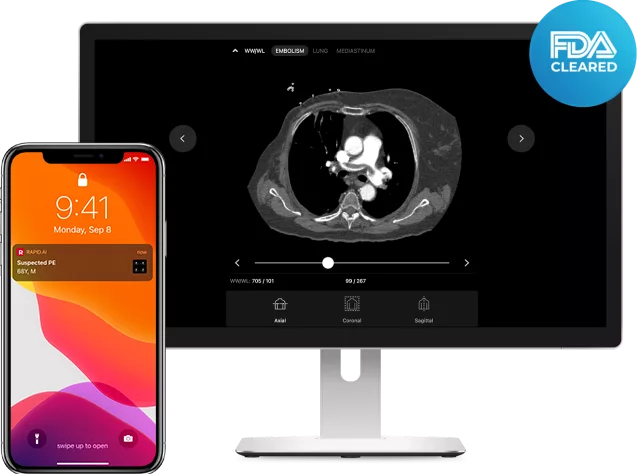
The transformation of cardiology continues with two U.S. FDA actions to promote the use of artificial intelligence (AI): a 510(k) clearance for Rapidai Inc.’s pulmonary embolism (PE) triage and notification product and breakthrough device designation for Anumana Inc.’s pulmonary hypertension (PH) early detection algorithm.
Idorsia Ltd. looks on course to produce another marketed drug after supportive phase III results for its hypertension drug, aprocitentan. The company’s first U.S. FDA-approved drug, Quviviq (daridorexant), was launched in April and another product, Pivlaz (clazosentan), was approved and launched in April for cerebral vasospasm in Japan.
 RSS
RSS