Timothy syndrome, a rare autosomal-dominant disorder, is characterized by presence of a heart arrhythmia (long QT syndrome), which causes the cardiac muscle to take longer than usual to recharge between beats and can result in sudden death. Now scientists at Columbia University have discovered that a common FDA-approved over-the counter cough suppressant, dextromethorphan, can shorten the prolonged QT intervals in both cellular and mouse models of TS.
Several recent studies highlight the rapidly expanding applications for neuromodulation using bioelectronic devices. A pair of articles in the Journal of the American Heart Association and Journal of the American College of Cardiology focused on the benefits to patients with heart failure and those at risk of post-operative atrial fibrillation, respectively. A study published in Brain Stimulation found that 85% of tinnitus patients experienced resolution of their symptoms when using a neuromodulation device.
Abbott Laboratories’ Cardiomems heart failure (HF) system is open to a larger patient population following an expanded approval from the FDA. Abbott’s system had previously been approved for class III HF patients that had been hospitalized for HF in the past year. A new expanded indication enables the sensor to be utilized by class II (earlier stage) HF patients and those whose blood test show elevated levels of biomarkers known as natriuretic peptides. The FDA based the approval on findings from the GUIDE-HF trial, which suggested class II HF patients and patients with elevated natriuretic peptides had better outcomes when their therapy was guided by pulmonary pressure monitoring, with a 34% and 25% reduction in heart failure hospitalizations and emergency visits, respectively, based on study data adjusted for the impact of COVID-19.
The U.S. Federal Circuit’s denial Feb. 11 of an en banc rehearing in a case that could undermine label carveouts and slow the launch of generics is the topic of hallway chatter at this week’s annual conference of the Association for Accessible Medicines.
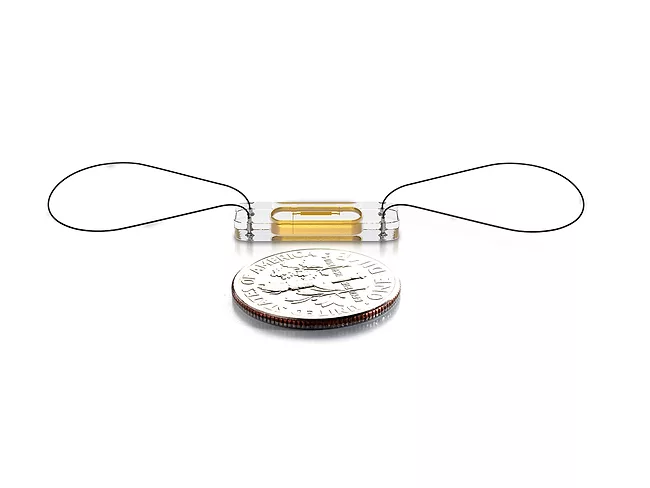
Abbott Laboratories reported the commencement of a pivotal clinical trial for its Aveir pacemaker in a two-device configuration to provide dual-chamber pacing without the need for leads to deliver the charge. This configuration required the development of i2i technology to ensure that the two Aveirs communicated in a manner that ensures consistent pacing, but the 500-enrollee study has a long road ahead of it before the company can finalize the application with the FDA.

 RSS
RSS