The Advanced Research Projects Agency for Health (ARPA-H) is taking aim at the shortage of medical services with a program designed to foster development of micro-robots, or microbots, which will autonomously conduct part or all of a variety of surgical procedures.
Kakao Healthcare Corp. plans to secure ₩100 billion (US$68 million) through two investment deals with Cha Biomedical Group and outside investors by early next year. The transactions, expected to close by the first quarter of 2026, will make Cha the controlling shareholder of Kakao Healthcare with a 43.08% stake. Kakao Corp., the parent company, will hold 29.99%, and external investors will own 26.93%.
Toolgen Inc. has entered into a strategic cross-license agreement with Geneditbio Ltd. to jointly advance the development of next-generation in vivo genome-editing therapeutics.
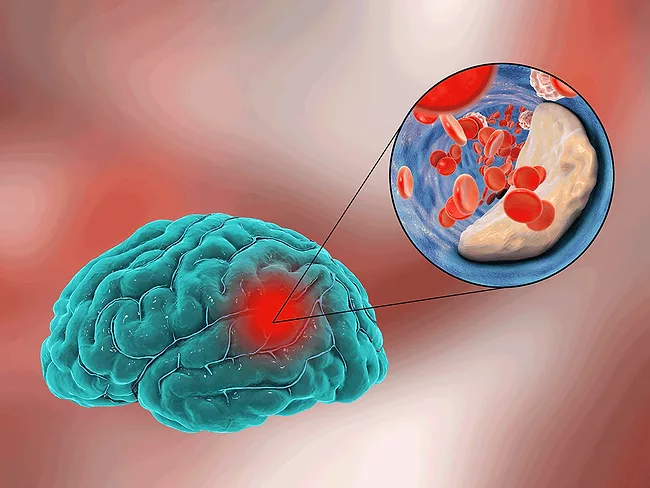
Detailed data will be forthcoming at a scientific congress, but Bayer AG’s positive top-line readout from its phase III study testing oral factor XIa (FXIa) inhibitor asundexian in reducing the risk of ischemic stroke offered a much-needed win for the FXIa space, which encountered its latest stumble just over a week ago.
Homozygous familial hypercholesterolemia (HoFH) is a genetic condition caused by mutations in the LDLR gene and characterized by severe hypercholesterolemia and premature cardiovascular disease. Repair Biotechnologies Inc. has developed REP-0003, a therapeutic based on the Cholesterol Degrading Platform (CDP) that degrades excessive intracellular free cholesterol into a non-toxic and excretable catabolite to safely reverse cholesterol-rich vulnerable plaque.
Heart failure with preserved ejection fraction (HFpEF) is a complex disease with limited therapeutic options. Protein histone deacetylase 6 (HDAC6) is known to be involved in several biological processes, such as autophagy or inflammation, among others, but its impact on HFpEF has not been well evaluated to date.
Archeon Medical SAS reported data from a study showing its real-time ventilation feedback device Eolife increased the survival rates of patients suffering out‑of‑hospital cardiac arrests. Furthermore, all the survivors in the Eolife group achieved full neurological recovery, three times the rate observed with conventional ventilation.
Boehringer Ingelheim Pharma GmbH & Co KG has described stimulator of interferon genes protein (STING; TMEM173) antagonists reported to be useful for the treatment of glaucoma, rheumatoid arthritis, heart failure, sepsis, interstitial lung diseases, nonalcoholic or metabolic dysfunction-associated steatohepatitis (NASH/MASH), bloom syndrome and cancer.
U.S. and European organ-on-a-chip specialty biotechnology companies are driving development of organ-on-a-chip technologies, fueled by the U.S. FDA’s decision to phase out animal testing for investigational new drugs.
The recent strategic partnership Siemens Healthineers AG recently entered into with Boston Scientific Corp. to develop and commercialize an Acunav 4D intracardiac echocardiography catheter could drive “significant growth” for the company, Jochen Schmitz, CFO, at Siemens, told delegates at the Jefferies Global Healthcare Conference, in London.
 RSS
RSS