Haemonetics Corp. acquired Vivasure Medical Ltd. for €100 million (US$116 million) cash plus up to an additional €85 million (US$99 million) in contingent payments based on sales and other milestones. The deal continues nearly four years of increasing investment in Vivasure by Haemonetics in support of its latest version of the Perqseal vessel closure device.
News of Eli Lilly and Co. purchasing Ventyx Biosciences Inc. for $14 per share arrived after market close Jan. 7, following unconfirmed rumors of the buyout that drove shares up by more than 52% at one point.
In a big week for W.L. Gore & Associates Inc., the company reported plans to acquire Conformal Medical Inc. and received U.S. FDA approval for its Viabahn Fortegra venous stent for use in the inferior vena cava, iliac and iliofemoral veins.
Monte Rosa Therapeutics Inc. followed up December’s positive prostate cancer data with strong interim findings from a phase I study with MRT-8102, a NEK7-directed molecular glue degrader in the works for inflammatory conditions driven by the NLRP3 inflammasome, IL-1, and IL-6.
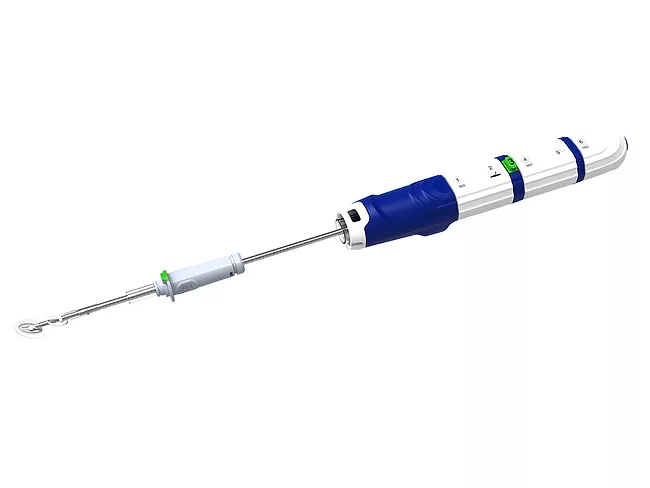
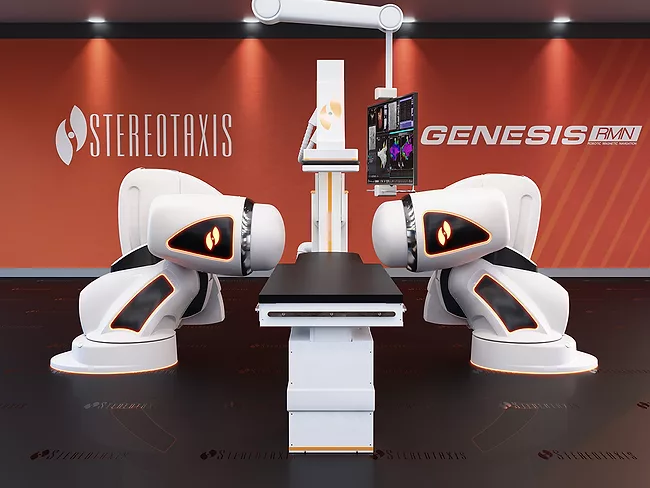
Stereotaxis Inc. secured U.S. FDA approval for its Magic magnetic interventional ablation catheter, marking a key step in the company’s effort to evolve from a niche robotics supplier into a more vertically integrated electrophysiology technology provider. The approval positions Magic as Stereotaxis’ first proprietary robotic ablation catheter in the U.S. and follows a series of regulatory and commercial milestones in recent months that reset the company’s growth narrative.
Bayosthiti AI Pvt Ltd. aims to make RNA sequencing and AI-based preventive health care affordable and accessible for the Indian market, leveraging intellectual property from its parent company, Biostate AI Inc.
CSPC Pharmaceutical Group Ltd. has obtained approval from the National Medical Products Administration (NMPA) in China to conduct clinical trials of SYH-2072 (tablets), a highly selective and potent aldosterone synthase inhibitor. It is being investigated as a potential treatment for uncontrolled hypertension and primary aldosteronism.
Secondary lymphedema is a chronic condition that often affects the upper or lower extremities and is characterized by progressive retention of lymphatic fluid at affected sites. At the affected sites, this progressive fluid retention often leads to pain, decreased function and wounds. The condition is commonly associated with cancer surgery that requires the removal of draining lymph nodes.
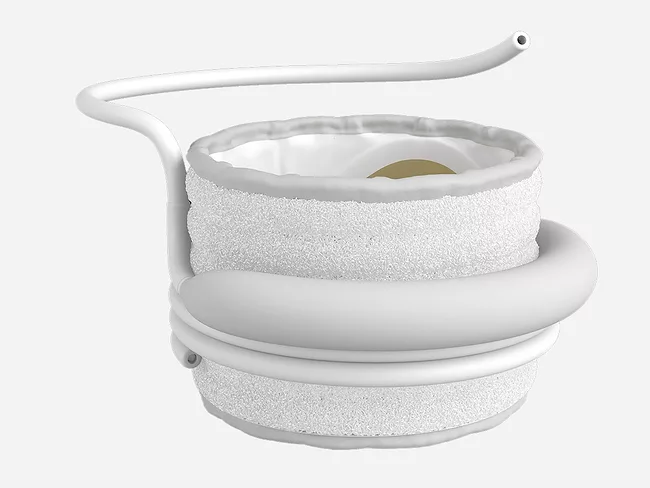
Edwards Lifesciences Corp. received U.S. FDA approval for its Sapien M3 mitral valve replacement system, making it the first transcatheter therapy utilizing a transseptal approach to be indicated for treatment of mitral regurgitation (MR). The Sapien M3 transcatheter mitral valve replacement system is indicated for the treatment of patients with symptomatic moderate-to-severe or severe MR or symptomatic mitral valve dysfunction who are deemed unsuitable for surgery or TEER by a multidisciplinary heart team.
Bayosthiti AI Pvt Ltd. aims to make RNA sequencing and AI-based preventive health care affordable and accessible for the Indian market, leveraging intellectual property from its parent company, Biostate AI Inc.
 RSS
RSS