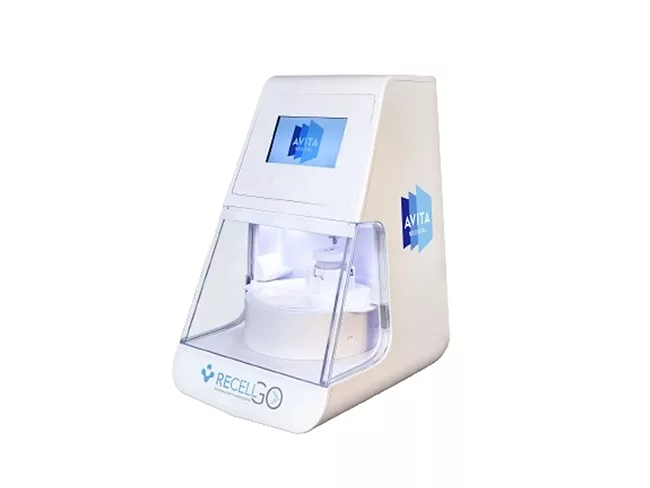
Regenerative medicine company Avita Medical Inc. raised AU$23 million (US$15 million) through a private placement on the Australian Securities Exchange (ASX:AVH) to support growth of its Recell therapeutic acute wound portfolio. Funds raised will support continued growth of the company’s therapeutic acute wound portfolio and will cover operations through 2026.
Shanghai Moyom Biotechnology Co. Ltd. has launched its Aphranel Magiccrystal dermal filler, the first injectable calcium hydroxylapatite microsphere-based dermal filler developed in China, and the company is already expanding globally.
Plasmacure B.V. secured €6 million (US$7 million) in series A funding for its Plasoma cold plasma system to treat complex wounds. The round was led by Venture Medical LLC, a U.S.-based provider of solutions for wound care, which also committed to spend over $10 million to support regulatory approval, reimbursement and U.S. market expansion of the Plasoma technology.
Tetratherix Ltd. raised AU$45 million (US$25 million) in its IPO on the Australian Securities Exchange (ASX:TTX) to support clinical development of its Tetramatrix polymer biomaterial platform to support bone regeneration, tissue spacing and tissue healing.
Researchers from the University at Buffalo, the State University of New York (SUNY), filed for protection of their development of a new imaging technology that uses radar and AI to see through dressings to monitor wounds and other skin conditions.
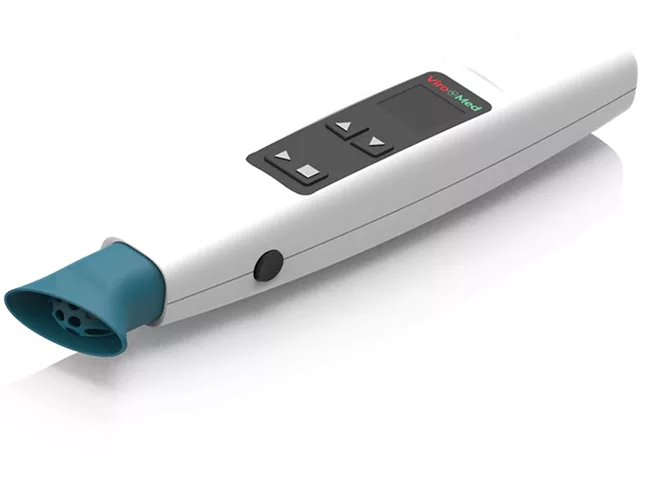
Viromed Medical AG recently signed a couple of deals to get its devices based on cold plasma technology into the hands of clinicians to treat patients with skin diseases and pneumological infections.
New Zealand med-tech startup Avasa Ltd. has developed an arterial coupler that could save surgeons 30 minutes in the operating room to better connect arteries.
Skin Analytics Ltd. received CE mark for its AI-based tool Deep Ensemble for the Recognition of Malignancy (DERM), which can assess images of lesions and detect skin cancer autonomously. The technology has an accuracy rate of 99.8% compared to 98.9% for dermatologists.
The U.K.’s Buckinghamshire NHS Trust has partnered medical technology design experts from Team Consulting Ltd. to create a tool that can transform burn care treatment. The concept training tool incorporates mixed reality which maps ‘custom digital burns’ onto a mannequin to enable surgeons to explore a diverse range of burn types and patient profiles and deliver better outcomes.
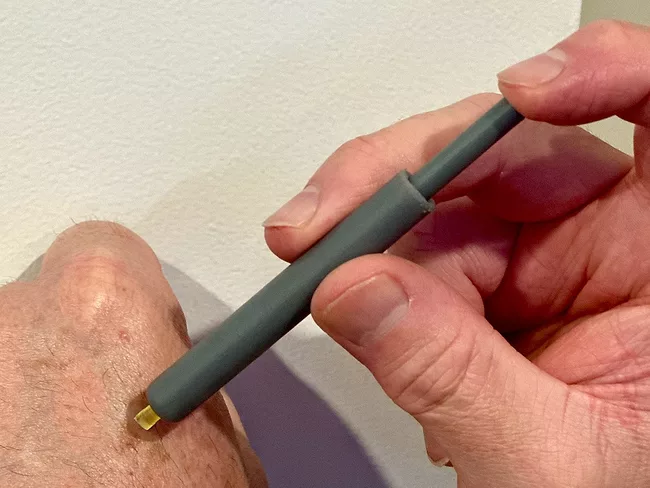
A new method to diagnose skin cancer was validated for the first time in clinical trials that show Dermr Health Solutions Pty Ltd.’s non-invasive microneedle patch collects near-equivalent genetic information compared to a skin biopsy without pain or cutting.
 RSS
RSS