Sciwind Biosciences Co. Ltd. said Jan. 30 it won Chinese approval for self-developed glucagon-like peptide-1 (GLP-1) receptor agonist, ecnoglutide (Xianyida), to treat adults with type 2 diabetes.
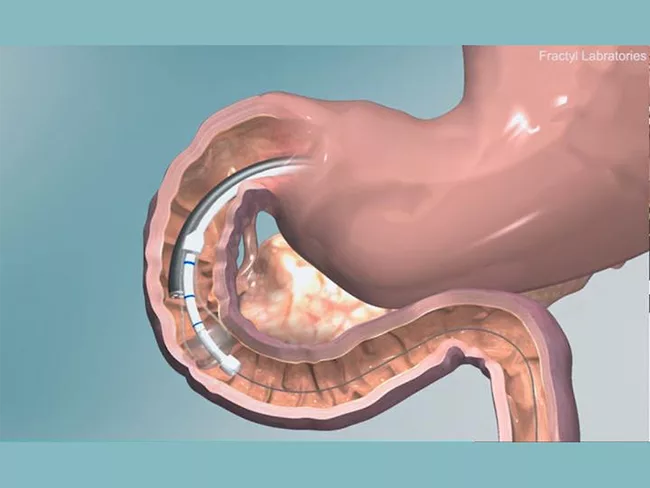
Six-month results from the REMAIN-1 trial showed that Fractyl Health Inc.’s Revita procedure cut post-GLP-1 weight regain by about 70% compared with a sham procedure in patients who discontinued incretin-based drugs such as semaglutide and tirzepatide after achieving substantial weight loss.
Adocia SA is looking to further apply its Biochaperone formulation technology to metabolic disorders, Olivier Soula, Adocia co-founder and CEO told BioWorld, the firmhaving recently gained positive top-line phase III results of Tonghua Dongbao Pharmaceutical Co. Ltd.’s THDB-0206 injection (Biochaperone Lispro) in diabetes patients in China.
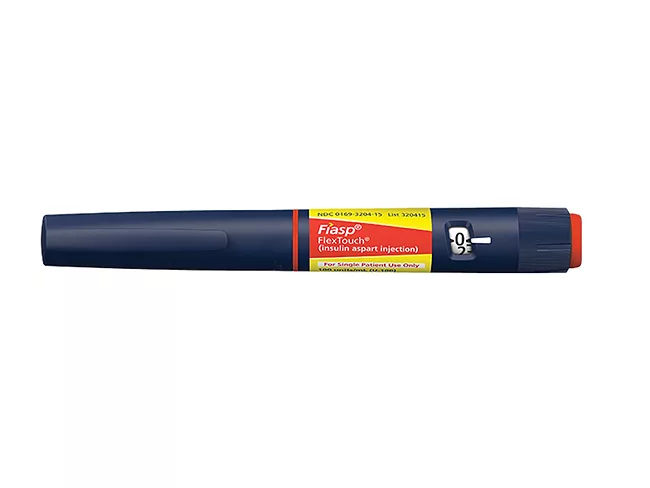
Like the federal district court before it, the U.S. Court of Appeals for the Third Circuit said it lacks jurisdiction to rule on the merits of Novo Nordisk A/S’ claim that the CMS violated the Inflation Reduction Act (IRA) when it treated six of the company’s insulin aspart products as one negotiation-eligible single-source drug.
Among severe insulin-deficient diabetes patients, 12 weeks of 100-mg, once-daily dosing of Biomea Fusion Inc.’s icovamenib lowered hemoglobin A1c by 1.8% from placebo at the 52-week timepoint, an increased benefit over and above what was seen at 26 weeks.
Although type 2 diabetes tends to get more airtime, type 1 diabetes also had drawn a number of the developers to the table. Recently winning the attention of Wall Street is SAB Biotherapeutics Inc., which offered data during the European Association for the Study of Diabetes annual meeting. Vertex Pharmaceuticals Inc. and Biomea Fusion Inc. are among the other players.
To strengthen its development efforts, Novo Nordisk A/S will collaborate in a deal that could bring Replicate Bioscience Inc. about $550 million. In return, Novo is getting an exclusive, worldwide license to use Replicate’s self-replicating RNA (srRNA) platform to develop the candidates. The two are aiming at targets in cardiometabolic diseases that include treatments for obesity and type 2 diabetes.
Eli Lilly and Co.’s regulatory ducks are lined up nicely with the latest positive top-line results from the phase III Attain-2 trial testing orforglipron, an oral glucagon-like peptide 1 (GLP-1) receptor agonist, in adults with obesity or overweight and type 2 diabetes.
Doing his version of the Texas Two-Step, Texas Attorney General (AG) Ken Paxton is again shuffling Eli Lilly and Co. into a state courtroom – this time for allegedly overstepping the anti-kickback line.
A federal appeals court opened the door Aug. 6 for an amended class-action lawsuit alleging that Astrazeneca plc, Eli Lilly and Co., Novo Nordisk A/S and Sanofi SA engaged in a horizontal price-fixing conspiracy involving insulin products and GLP-1 drugs indicated in diabetes when they each adopted similar policies in 2020 to impose restrictions on 340B discounts to an unlimited number of contract pharmacies.

 RSS
RSS