Terns Inc. has divulged glucagon-like peptide 1 receptor (GLP-1R) agonists reported to be useful for the treatment of diabetes, obesity and liver diseases.
Cardiovascular disease is among the leading causes of death in individuals with type 2 diabetes. The role that microRNA 210 (miR-210) plays in endothelial cells and in diabetes-driven endothelial dysfunction is not clearly understood. Its potential as a therapeutic target was investigated.
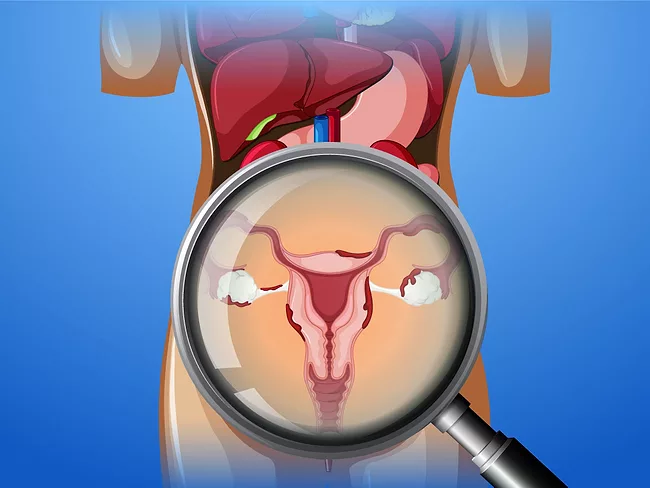
According to World Health Organization data, endometriosis affects about 10% of reproductive-age females globally. That already makes endometriosis a wildly underresearched and underfunded disease in relation to its prevalence. Plus, Rama Kommagani thinks even 10% is an underestimation. “Diagnosis is very underreported, particularly in low- and middle-income countries,” Kommagani, who is an associate professor of pathology at Baylor College of Medicine, told BioWorld.
The reticulon 4 (Nogo) family, which is located in the endoplasmic reticulum, consists of several members including Nogo-A, Nogo-B and Nogo-C. Since previous studies have linked Nogo-B to multiple metabolic processes, researchers from University of Science and Technology of China (USTC) and affiliated organizations investigated the role of Nogo-B in cholesterol metabolism and related metabolic diseases.
Seraxis Inc. has obtained IND clearance from the FDA for a phase I/II study of its novel islet replacement therapy SR-02 for type 1 diabetes. SR-02 is comprised of allogeneic pancreatic endocrine cell clusters that, when implanted to the omentum, form a functional endocrine pancreas outside of the native pancreas.
Insilico Medicine Inc. has synthesized NLRP3 inflammasome inhibitors reported to be useful for the treatment of obesity, autoimmune disease and inflammatory disorders.
EA Pharma Co. Ltd. has prepared and tested nitrogen-including heterocycle derivatives acting as 2-amino-3-carboxymuconate-6-semialdehyde decarboxylase (ACMSD) inhibitors.
University of Miami has patented new vasopressin V1A receptor antagonists reported to be useful for the treatment of osteoporosis, Paget disease and cancer.
Keybioscience AG and Eli Lilly & Co. have agreed to extend their collaboration on the development of dual amylin and calcitonin receptor agonists (DACRAs), a new class of potential treatments for obesity and related disorders.
Ibio Inc. has announced progress under its collaboration with Astralbio Inc. on a joint myostatin program for cardiometabolic disease and obesity. Ibio leveraged its technology to rapidly advance the program from inception to in vitro proof of concept in human muscle cells.

 RSS
RSS