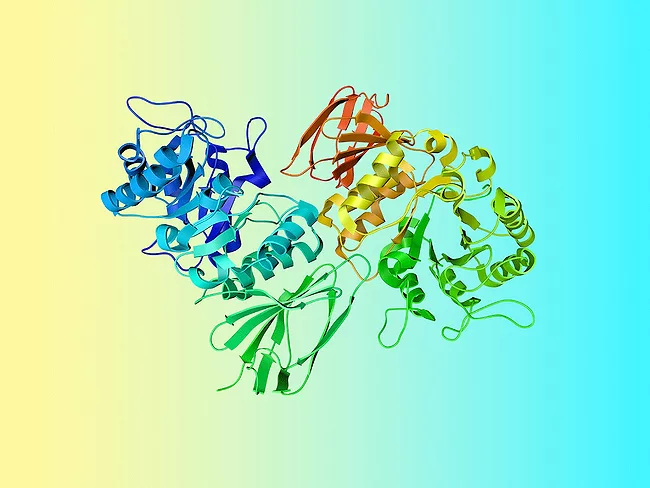
Cascade Pharmaceuticals Inc. has disclosed new thyroid hormone receptor β (THRβ) agonists reported to be useful for the treatment of metabolic dysfunction-associated steatotic liver disease (MASLD), hypothyroidism, atherosclerosis and dyslipidemia.
Orsobio Inc. has closed an oversubscribed $67 million series B financing, the proceeds of which will be used to accelerate development of its mitochondrial protonophore portfolio for the treatment of obesity and associated metabolic disorders.
Integrated Nanotherapeutics Inc. has received an award from Breakthrough T1D (formerly Juvenile Diabetes Research Foundation Ltd. [JDRF]) to advance the company’s technology to induce immune tolerance in type 1 diabetes.
Immortality and eternal youth have been the stuff of myths and legends from ancient times on. Now, in the 21st century, real studies of current medicine could be applied to repair tissues and organs damaged by age. During the 11th Aging Research & Drug Discovery (ARDD) Meeting held at the University of Copenhagen at the end of August, scientists explained the molecular keys of rejuvenation, as many artists imagined in the past.
The dark matter of long non-coding RNA (lncRNA) is shades brighter, after the signing of two major deals between biotech pioneers and big pharma in the past week. Haya Therapeutics SA announced Sept. 4 that it has sealed a multiyear agreement with Eli Lilly and Co. to apply its lncRNA platform technology to identify targets in obesity and related metabolic disorders.
The FDA has cleared an IND for a phase I/II trial of LA-GLA (GC-1134A, HM-15421), an innovative enzyme replacement therapy for Fabry disease being co-developed by GC Biopharma Corp. and Hanmi Pharmaceutical Co. Ltd.
Purdue Research Foundation has synthesized proteolysis targeting chimeras (PROTACs) comprising a E3 ubiquitin ligase binding moiety covalently linked to a tyrosine-protein phosphatase non-receptor type 1 (PTPN1; PTP-1B) and 2 (PTPN2; TCPTP) dual targeting moiety reported to be useful for the treatment of cancer, type 2 diabetes and obesity.
Jiangsu Hansoh Pharmaceutical Group Co. Ltd. and Shanghai Hansoh Biomedical Co. Ltd. have reported new glucagon-like peptide 1 receptor (GLP-1R) agonists described as potentially useful for the treatment of diabetes, obesity and metabolic dysfunction-associated steatotic liver disease (MASLD).

 RSS
RSS