Long-acting glucagon-like peptide-1 receptor (GLP-1R) agonists have shown efficacy in obesity treatment but, after discontinuation, a rapid recovery of weight is usually seen, likely due to orexigenic mechanisms involved in weight regain.
Tiximed Inc. has received IND clearance for its inhibitor of thioredoxin-interacting protein (TXNIP), TIX-100, in individuals with type 1 diabetes. TIX-100 is a potent and specific inhibitor of TXNIP.
Researchers from Shandong University and affiliated organizations have presented data from a study that aimed to assess the role of endosome-associated trafficking regulator 1 (ENTR1) in adipogenesis.
Increased life expectancy also comes with age-related diseases. But what causes one to age? Although there is no single answer, scientists at Duke-National University of Singapore (NUS) have shown in mice that interleukin-11 (IL-11) promoted aging. Blocking it improved health and lifespan.
Gasherbrum Bio Inc. has described GLP-1 receptor agonists reported to be useful for the treatment of type 2 diabetes, dyslipidemia, hyperglycemia, hypertension, obesity, stroke, myocardial infarction and gout, among others.
Platycodin D (PD) is an oleanane-type triterpenoid saponin and one of the primary active substances isolated from the root of the Platycodon herb. Investigators from First Affiliated Hospital of Jinan University and affiliated organizations studied the effects of PD on high-fat diet-induced obesity and nonalcoholic fatty liver disease (now called metabolic dysfunction-associated steatotic liver disease or MASLD).
RTI International has described cannabinoid CB1 receptor antagonists reported to be useful for the treatment of metabolic syndrome, binge-eating disorder, Prader-Willi syndrome, alcoholism, nicotine dependence and cannabis abuse.
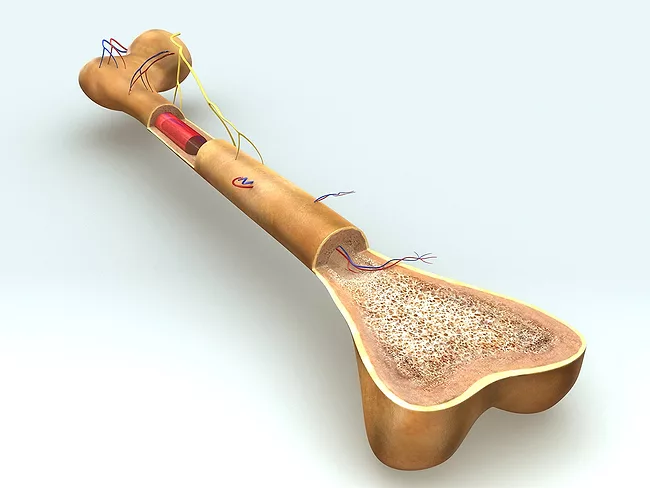
Researchers from the University of California San Francisco (UCSF) have found that CCN3, a hormone secreted by neurons in the brain, is responsible for maintaining bone strength during lactation.
Cytokinetics Inc. has disclosed nicotinamide phosphoribosyltransferase (NAmPRTase; Nampt) activators reported to be useful for the treatment of cancer, neurodegeneration, mitochondrial and metabolic diseases, cardiovascular, muscle, renal and inflammatory disorders, among others.
The hypothalamus controls several neural circuits that have to do with instinctive behaviors such as food seeking, socialization and offspring maternal care, among others. There is limited knowledge regarding the mechanisms by which internal and external sensory cues are integrated to coordinate innate behavior.

 RSS
RSS