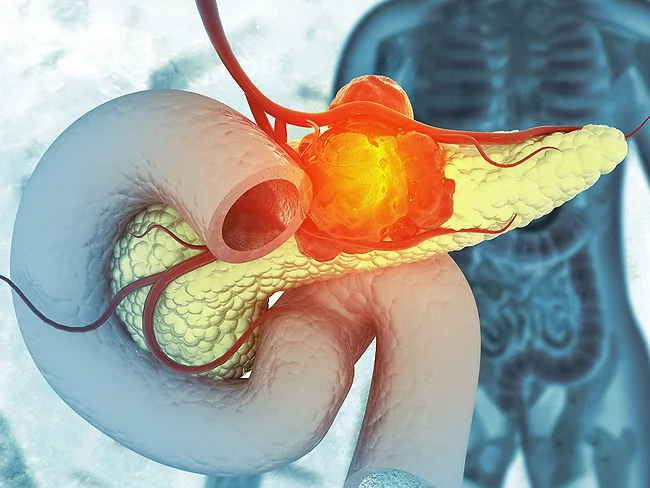
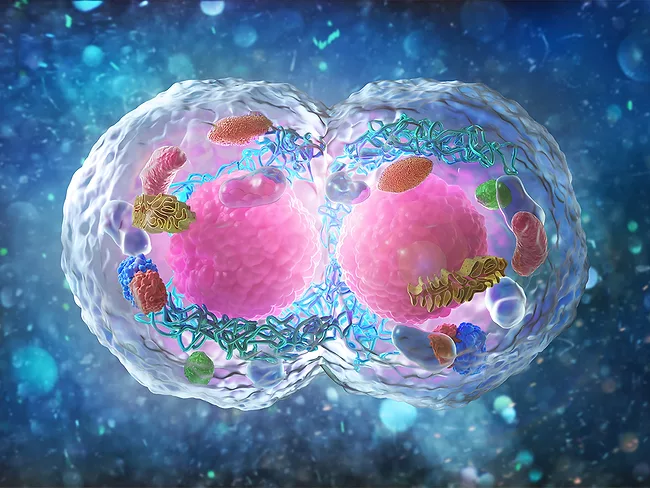
A metabolic vulnerability of pancreatic ductal adenocarcinoma (PDAC) could be used to address this type of cancer that often resists treatments. Scientists at the University of Michigan have discovered that inhibiting the PIKfyve enzyme prevented tumor development and reduced tumor growth by altering the lipid synthesis these cells rely on. The KRAS-MAPK pathway is involved in this process, leading the researchers to suggest that dual inhibitors of PIKfyve and KRAS-MAPK could be an effective therapeutic strategy.
A U.S. FDA CDER official is among the first to say the quiet part out loud in proposing a Sept. 12 deadline for the agency to respond to Vanda Pharmaceuticals Inc.’s request for summary judgment or a hearing on CDER’s refusal to approve tradipitant to treat gastroparesis.
Parvus Therapeutics Inc. has announced the achievement of a milestone under its collaboration with Abbvie Inc. to develop treatments for inflammatory bowel disease (IBD). PVT-401, a novel peptide-major histocompatibility complex (pMHC) nanomedicine (Navacim) drug candidate, has met prospective nonclinical pharmacology and manufacturing criteria.
A large-scale study has revealed the impact of germline variants on proteins in 10 cancer types. Scientists from the National Cancer Institute’s Clinical Proteomic Tumor Analysis Consortium (CPTAC) conducted a precision proteogenomic analysis in a pan-cancer study with data from 1,064 patients, identifying tumor heterogeneity and tumorigenesis associated with heritable genetic alterations. The results provide a broad view of cancer risk that could be useful for patient stratification and the design of prevention strategies.
Earendil Labs will collaborate with Sanofi SA in a $1.8 billion license deal. Earendil, which specializes in artificial intelligence-based R&D for biologics, is getting $125 million up front and $50 million as a near-term payment. In return, Sanofi gets the exclusive global rights to the bispecific antibodies HXN-1002 and HXN-1003.
Johnson & Johnson’s Medtech division reported the completion of the first cases in the clinical trial for the Ottava robotic surgical system. The cases mark the first clinical experience with the Ottava system, which has been a long time in development.
Hightide Therapeutics Inc.’s berberine ursodeoxycholate (HTD-1801) met primary and secondary endpoints in the Symphony 1 and Symphony 2 phase III trials in type 2 diabetes in Chinese patients. Based on the data, Shenzhen-based Hightide will submit an NDA to China’s National Medical Products Administration (NMPA) later this year.
Huons Global Co. Ltd. has described reversible H+/K+ ATPase inhibitors, particularly acid pump antagonists (APA), reported to be useful for the treatment of gastric and duodenal ulcers, gastritis, gastroesophageal reflux disease, Helicobacter pylori infection and Zollinger-Ellison syndrome.
 RSS
RSS