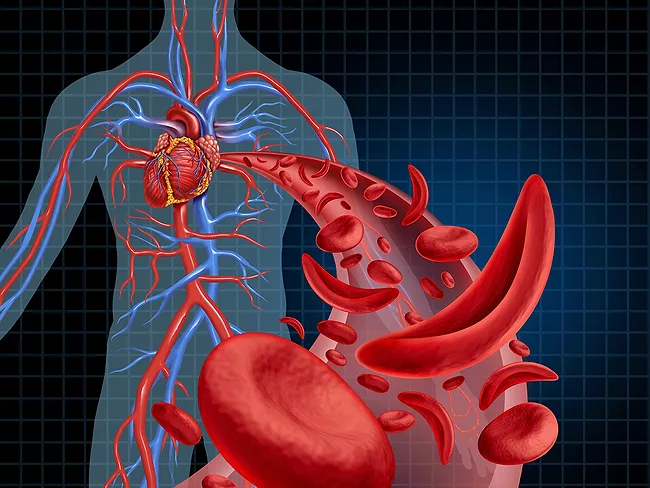
Sickle cell disease (SCD) is an inherited hemoglobinopathy caused by a mutation in the gene encoding β-globin that results in hemoglobin S polymerization, red blood cell (RBC) sickling and hemolytic anemia, among others.
Despite therapeutic advances, multiple myeloma (MM) remains incurable, with most patients relapsing and developing resistance, especially those refractory to proteasome inhibitors, immunomodulatory drugs and anti-CD38 antibodies. Limited options and poor prognosis highlight the need for new agents with distinct mechanisms and better safety.
Dexoligo Therapeutics has presented data for their liver-targeted siRNA DXO-1801 for the potential treatment of inflammation-driven anemia, a serious complication of chronic diseases such as chronic kidney disease, myelofibrosis or advanced solid tumors characterized by elevated pro-inflammatory cytokines where the availability for iron for erythropoiesis is limited due to increased hepcidin levels.
JAK2 inhibitors (JAK2i) are the standard treatment for myelofibrosis (MF), offering symptom relief and reducing spleen size. However, all FDA-approved JAK2i are type I inhibitors, which fail to eliminate the mutant MPN clone, leading many patients to treatment discontinuation.
Using C-X-C chemokine receptor type 4 (CXCR4) antagonists as cell mobilization agents has resulted in some FDA approved agents, such as Plerixafor, for hematopoietic stem cell transplantation and neutropenia. Oral cell mobilizers could result in using them in conditions such as sickle-cell disease (SCD) and chronic neutropenia. Emory University has developed and presented data for their CXCR4 antagonist EMU-116.
Most patients with myelodysplastic syndrome (MDS) exhibit variable degrees of anemia due to impaired erythropoiesis. Ameliorating anemia and reducing the dependence on transfusion may enhance the quality of life of these patients and improve their survival rates.
Taigen Biotechnology Co. Ltd. and its Taigen Biopharmaceuticals subsidiary have entered into an exclusive in-licensing agreement with Insilico Medicine Inc. for ISM-4808, a prolyl hydroxylase domain (PHD) inhibitor.
ENL-YEATS is an epigenetic reader that sustains transcriptional programs essential for AML, whereas FLT3 mutations, present in approximately 30% of patients, drive malignant proliferation. Dual inhibition of ENL-YEATS and FLT3 may therefore more effectively disrupt complementary drivers of leukemogenesis than FLT3 targeting alone.
2025 has been the most challenging year in the efforts to fight HIV since at least the advent of antiretroviral therapy. In a report on “Overcoming disruption, transforming the AIDS response,” released last week ahead of World AIDS Day on Dec. 1, the Joint United Nations Program on HIV/AIDS (UNAIDS) described “a global system in shock” by sharply reduced funding from the U.S. and other wealthy nations. Scientifically, for now, progress is ongoing. To mark World AIDS Day, Nature published three independent studies on HIV.
A 24‑week pregnant woman fears for her unborn baby, who is developing with a sacrococcygeal teratoma so large and vascularized that it nearly surpasses the size of the fetus itself. Faced with this threat, surgeons operate inside the uterus in an open procedure that partially exposes the baby to remove the tumor and give the baby a chance to survive until birth. According to scientists presenting at the American Society of Gene & Cell Therapy's special meeting on Breakthroughs in Targeted In Vivo Gene Editing, this could be avoided.
 RSS
RSS