Ferrosa Therapeutics AG has announced a $3.5 million seed financing to support the development of a first-in-class bispecific antibody (FRS-101) to treat anemia of inflammation across chronic kidney disease, autoimmune disease and oncology indications.
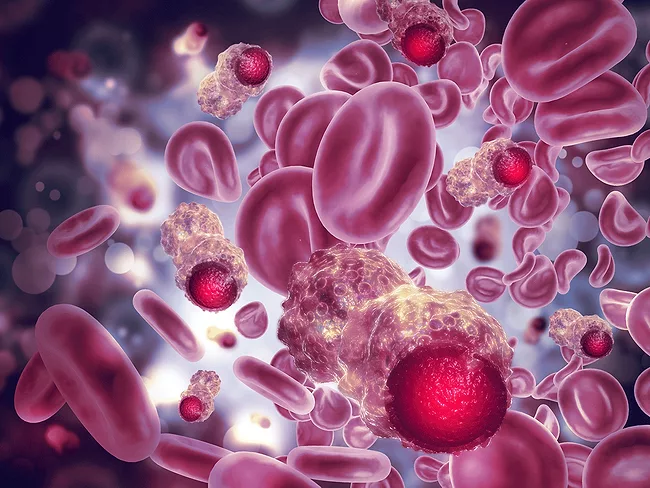
Minimal residual disease (MRD) has become a central concept in modern oncology, reshaping how clinicians evaluate response, relapse risk and treatment precision. As increasingly sensitive technologies reveal traces of cancer that persist after therapy, MRD is emerging as both a biological challenge and a clinical opportunity, especially as new data illuminate its complexity across hematologic and solid tumors. This topic was addressed at the 2026 American Association for Cancer Research (AACR) annual meeting.
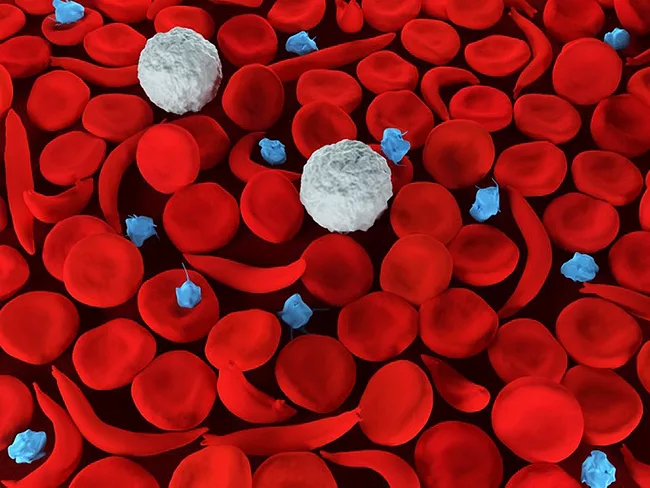
Novo Nordisk A/S reported top-line results from the phase III Hibiscus study of its pyruvate kinase-R activator, etavopivat, which was acquired through the 2022 buyout of Forma Therapeutics Holdings Inc. The results set up a potential competition for patients afflicted by sickle cell disease with fellow PKR activator mitapivat from Agios Pharmaceuticals Inc.
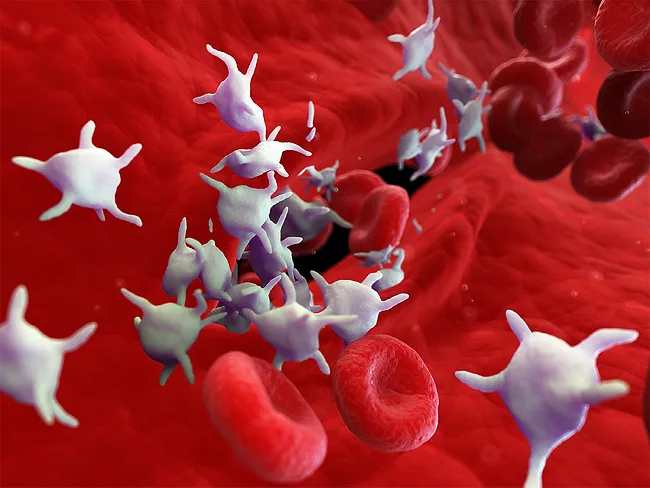
Alethio Therapeutics Inc. has unveiled ATX-011, a mutation-agnostic antibody for essential thrombocythemia. ATX-011 is a potential first-in-class monoclonal antibody based on a new target identified on mutant stem cells that drive myeloproliferative neoplasm disease progression.
Hematopoietic stem cell research over the past century has shown that leukemia may be driven by an invisible hand of inflammation. The bone marrow and inflammation, then, may hold the keys to preventing blood cancers, according to John E. Dick’s plenary session at the 2026 Korean Society of Hematology International Conference, held March 26, 2026.
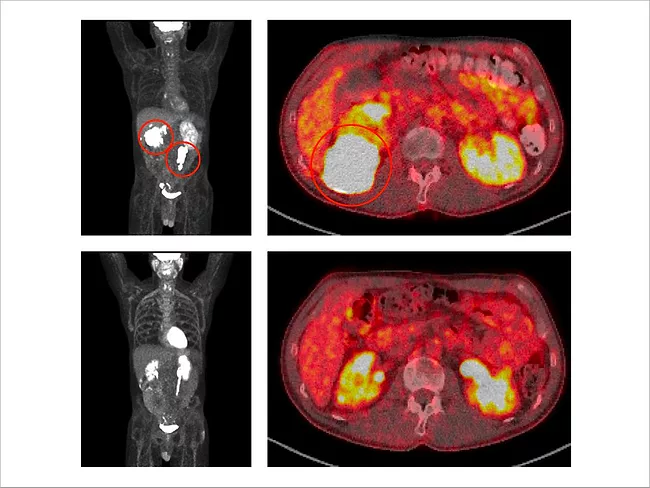
Deep molecular advances are enabling precision medicine for the field of hematology, Wyndham Wilson said during a plenary session at the 2026 Korean Society of Hematology International Conference March 26.
Hematopoietic stem cell research over the past century has shown that leukemia may be driven by an invisible hand of inflammation. The bone marrow and inflammation, then, may hold the keys to preventing blood cancers, according to John E. Dick’s plenary session at the 2026 Korean Society of Hematology International Conference, held March 26, 2026.
Deep molecular advances are enabling precision medicine for the field of hematology, Wyndham Wilson said during a plenary session at the 2026 Korean Society of Hematology International Conference March 26.
Hematopoietic stem cell (HSC) research over the past century has shown that leukemia may be driven by an invisible hand of inflammation. The bone marrow and inflammation, then, may hold the keys to preventing blood cancers, according to John E. Dick’s plenary session at the 2026 Korean Society of Hematology International Conference (ICKSH 2026), held March 26, 2026. Work in Dick’s lab has found acute myeloid leukemia (AML) HSCs that harbor preleukemic mutations long before any disease diagnosis. These insights have enabled predictive models that could identify individuals at elevated AML risk years before the onset of outright disease, opening the door to new prevention strategies.
Epifrontier Therapeutics Inc. has been awarded a grant of up to $32 million in nondilutive funding from the Japan Agency for Medical Research and Development (AMED) to advance the clinical development of EPF-001 (RK-701), a first-in-class G9a inhibitor being developed for sickle cell disease and β-thalassemia.
 RSS
RSS