Precision Biosciences Inc. uses its proprietary Arcus platform to develop in vivo gene editing therapies and has outlined new data from its wholly owned and partnered pipeline.
Star Therapeutics Inc. brought on board six new investors in its oversubscribed $90 million series C round, raising the company’s total funding to more than $190 million since its founding in 2018 to advance in-house drug discovery efforts via formation of portfolio companies. Since emerging from stealth in early 2022, Star has launched two aptly named companies, Electra Therapeutics Inc. and Vega Therapeutics Inc., with plans to unveil additional ventures arising from its antibody discovery efforts.
Current anticoagulant strategies include small-molecule inhibitors and biological entities targeting factor XI (FXI) which, although effective, still have bleeding as a major risk.
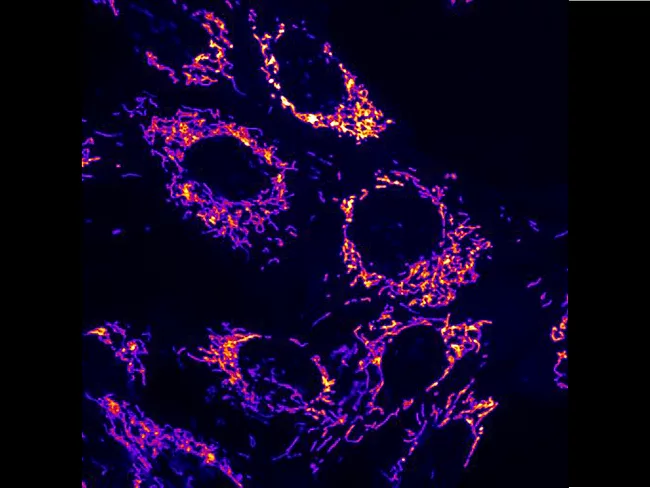
Researchers have demonstrated that inhibiting mitophagy in ‘old’ hematopoietic stem cells (HSCs) completely restored their blood reconstitution capabilities, raising the prospect of addressing the age-related weakening of the immune system that stems from HSCs deteriorating over time.
Researchers from University of Michigan presented preclinical data for the novel oxylipin analogue CS-585 being developed as an antithrombotic agent. CS-585 was synthesized as an orally available analogue of 12(S)-hydroxy-eicosatrienoic (12-HETrE), with potent and selective prostacyclin (IP) receptor agonist activity and ability.
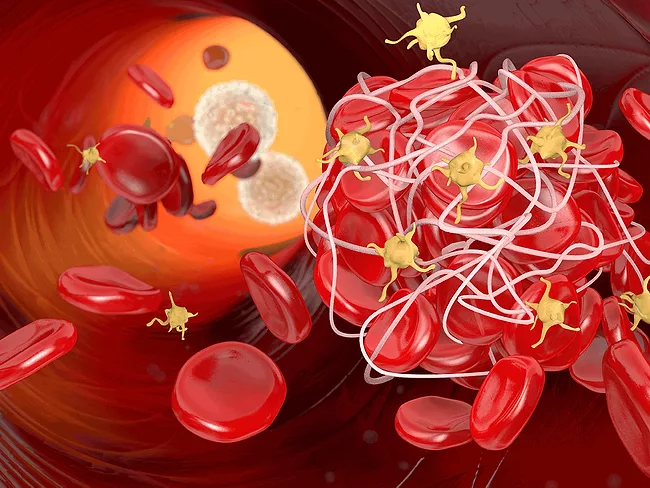
Under pathologic conditions such as vascular injury or atherosclerosis, the hyperactivation of platelets may lead to occlusive thrombus formation, myocardial infarction or stroke. Although there are several targets for clot prevention validated clinically, these strategies may present bleeding risk as a limitation. Researchers from the University of Michigan have reported on CS-014, a histone deacetylase (HDAC) inhibitor aimed to reduce clot formation without risk of bleeding.
The U.S. FDA has awarded Bristol Myers Squibb Co. (BMS) with its third approval for treating anemia with Reblozyl (luspatercept-aamt). Specifically, the approval is for treating anemia without previous erythropoiesis stimulating agent use in adults with very low- to intermediate-risk myelodysplastic syndromes who may require regular red blood cell transfusions.
Hutchmed (China) Ltd.’s sovleplenib (HMPL-523) met the primary endpoint of durable response rate and all secondary endpoints in the pivotal phase III trial in adults with primary immune thrombocytopenia (ITP) in China.
Shares of Fulcrum Therapeutics Inc. shot up 38.5% on Aug. 22 following news that the U.S. FDA had lifted the clinical hold on the company’s phase Ib sickle cell disease candidate, FTX-6058.
Hutchmed (China) Ltd.’s sovleplenib (HMPL-523) met the primary endpoint of durable response rate and all secondary endpoints in the pivotal phase III trial in adults with primary immune thrombocytopenia (ITP) in China.

 RSS
RSS