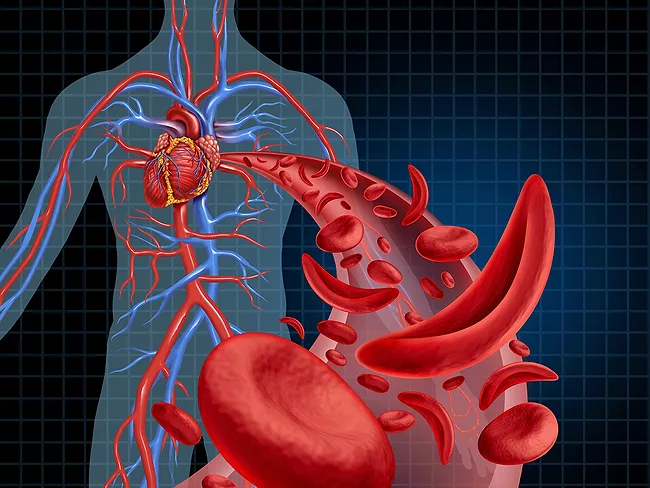
Had it been asked to, the FDA’s Cellular, Tissue and Gene Therapies Advisory Committee would have voted Oct. 31 to recommend approval of Vertex Pharmaceutical Inc. and Crispr Therapeutics AG’s exagamglogene autotemcel, or exa-cel, as a one-time transformative treatment for severe sickle cell disease in individuals 12 and older.
It’s just a discussion next week of Vertex Pharmaceuticals Inc. and Crispr Therapeutics AG’s sickle cell disease (SCD) therapy, with no vote expected from the U.S. FDA’s Cellular, Tissue and Gene Therapies Advisory Committee. The FDA isn’t questioning the drug’s efficacy as much as it is concerned about the effects of off-target editing.
Generation Bio Co. has announced a breakthrough in its nonviral genetic medicine platform with the development of a proprietary, novel DNA called immune-quiet DNA (iqDNA).
Research at Purdue Research Foundation has led to the identification of SYK kinase inhibitors reported to be useful for the treatment of glucose-6-phosphate dehydrogenase deficiency, sickle cell disease, α- and β-thalassemia.
Recently, researchers at Cincinnati Children’s Hospital, in collaboration with colleagues in Japan, have developed a human vascular organoid model that accurately mimics the vascular damage caused by SARS-CoV-2.
Baudax Bio Inc.’s lead clinical candidate, TI-168, has been awarded U.S. orphan drug designation by the FDA for the treatment of hemophilia A with inhibitors. TI-168 is a next-generation, factor VIII (FVIII)-specific regulatory T-cell (Treg) therapy designed to address hemophilia A in patients with FVIII inhibitors.
Five years after Gilead Sciences Inc. gave up on momelotinib in the wake of two phase III failures in myelofibrosis, the JAK1/2 and ACVR1 inhibitor has found its way to the market in the hands of GSK plc. Branded Ojjaara, the drug gained U.S. FDA approval for use in intermediate- or high-risk myelofibrosis patients with anemia regardless of prior administration with JAK inhibitors such as Jakafi (ruxolitinib, Incyte Corp.).
Precision Biosciences Inc. uses its proprietary Arcus platform to develop in vivo gene editing therapies and has outlined new data from its wholly owned and partnered pipeline.
Star Therapeutics Inc. brought on board six new investors in its oversubscribed $90 million series C round, raising the company’s total funding to more than $190 million since its founding in 2018 to advance in-house drug discovery efforts via formation of portfolio companies. Since emerging from stealth in early 2022, Star has launched two aptly named companies, Electra Therapeutics Inc. and Vega Therapeutics Inc., with plans to unveil additional ventures arising from its antibody discovery efforts.
 RSS
RSS