Varmx BV has raised €30 million (US$32 million) in an extension to its series B to fund preparations for the pivotal trial of VMX-C001, a modified recombinant factor X that acts as a universal antidote to reverse the effects of direct oral anticoagulants. The drug is intended for use in patients suffering severe spontaneous bleeding or needing emergency surgery.
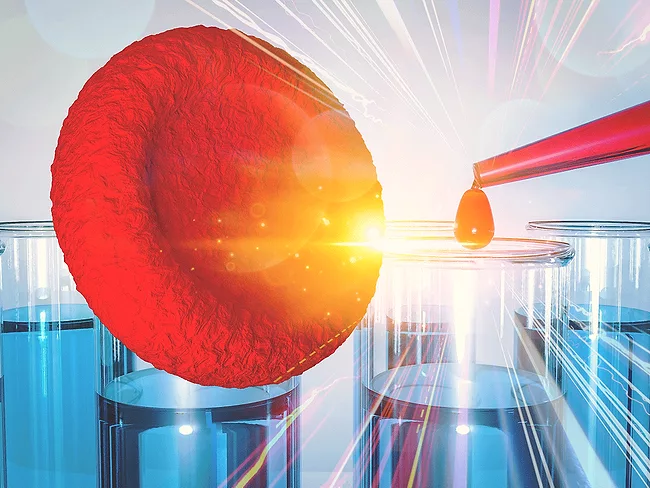
After long years of endeavor, Scarlet Therapeutics Ltd. believes it is poised to realize the potential of red blood cells (RBCs) as drug delivery vehicles. The company recently closed a seed round and is now laying the ground for its first clinical trials in which cultured and genetically engineered RBCs will be used to deliver enzyme replacement therapies in the treatment of rare inherited forms of two metabolic disorders.
Homology Medicines Inc. has reported data on an adeno-associated viral (AAV) vector-based therapy, HMI-104, an AAV treatment intended to induce hepatic expression of a complement C5 monoclonal antibody, named as C5mAb, for the potential treatment of paroxysmal nocturnal hemoglobinuria (PNH) as well as other complement-driven pathologies. C5mAb is thought to bind to C5 and inhibit the C5-mediated hemolysis observed in PNH.
After Keros Therapeutics Inc.’s first-quarter earnings report, the Wall Street spotlight turned its beam toward additional data due soon from the phase II studies with KER-050, an ActRIIA-Fc fusion protein in myelodysplastic syndrome (MDS) and myelofibrosis.
Swedish Orphan Biovitrum (Sobi) AB is offering a hefty 95% premium to shareholders in CTI Biopharma Corp., as it tables a $9.10-per-share cash offer for the company, which implies a total equity valuation of $1.7 billion. Shares in Seattle-based CTI (NASDAQ:CTIC) had closed May 9 at $4.82 but surged 85% to close at $8.93 during trading May 10. The premium calculation is based on CTI’s 30-day volume-weighted average trading price of $4.67 prior to the deal announcement.
Fibrogen Inc. and its co-development partners for roxadustat, Astrazeneca plc and Astellas Pharma Inc., were dealt a major blow May 5 as the oral hypoxia-inducible factor prolyl hydroxylase inhibitor failed to meet its primary efficacy endpoint in a phase III trial in patients with anemia caused by transfusion-dependent lower-risk myelodysplastic syndromes (MDS).
By the end of this year, it will become apparent whether Morphosys AG has executed one of the biotechnology industry’s boldest pivots in recent years or has instead blown $1.7 billion of investor cash on a dud. The day of reckoning is coming a little sooner than expected for the Planegg, Germany-based firm, as it has completed recruitment in a phase III trial of pelabresib in first-line myelofibrosis ahead of schedule. Top-line data from the study are now expected before year-end, instead of early 2024.
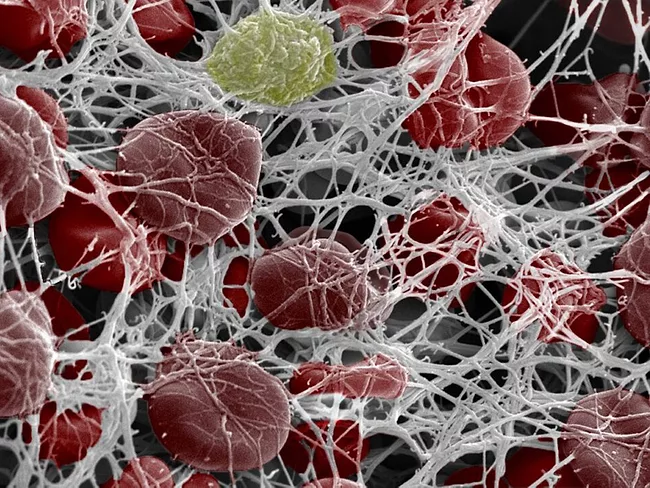
Blood clots can lead to life-threatening conditions such as deep vein thrombosis, heart attack, pulmonary embolism and stroke. Blood thinners are essential in the treatment and prevention of blood clots but carry a significant risk of bleeding as they target enzymes essential for blood clotting. Researchers at the University of British Columbia (UBC) and the University of Michigan have developed a new class of blood thinners that can specifically target clots without increasing the risk of bleeding.
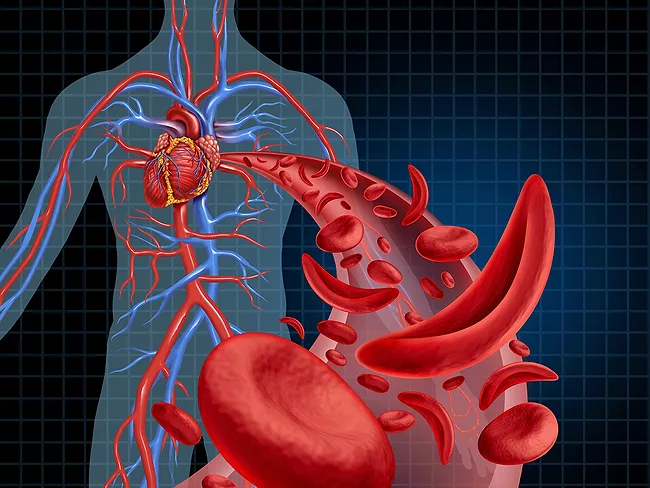
A proof of concept of ex vivo genetic modification of cells from patients and their transplantation in mice has demonstrated, for the first time, the therapeutic possibilities of prime editing in sickle cell disease (SCD).
Blood clots can lead to life-threatening conditions such as deep vein thrombosis, heart attack, pulmonary embolism and stroke. Blood thinners are essential in the treatment and prevention of blood clots but carry a significant risk of bleeding as they target enzymes essential for blood clotting. Researchers at the University of British Columbia (UBC) and the University of Michigan have developed a new class of blood thinners that can specifically target clots without increasing the risk of bleeding.
 RSS
RSS