Immunophage Biomedical Co. Ltd. have prepared and tested G-protein coupled receptor 183 (GPR183; EBI2) antagonists that are reported to be useful for the treatment of autoimmune disease, cancer, liver diseases, osteoporosis and neuropathic pain.
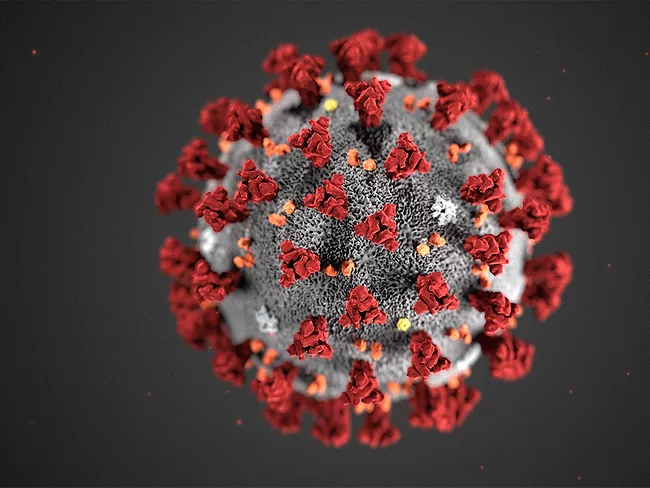
By analyzing a cohort of adolescents that developed myocarditis or pericarditis after vaccination against SARS-CoV-2 vaccination, researchers from Yale University School of Medicine were able to pinpoint the underlying mechanism as an overly active innate immune response to the vaccine that led to broad activation of T cells and natural killer (NK) cells. Myocarditis “has been seen in other vaccine contexts, though is most common after viral infection,” Carrie Lucas told reporters at a press conference announcing the findings.
Multivalent vaccines that could improve SARS-CoV-2 immunity while also preventing infections by other viruses, such as influenza and respiratory syncytial viruses, constitute an urgent public health need. Currently approved vaccines against SARS-CoV-2 are based solely on the spike protein, which provides limited immunity against variations in spike.
Tonix Pharmaceuticals Holding Corp. has received FDA clearance of its IND application to support a phase I trial with TNX-1500, an anti-CD40L monoclonal antibody. The first indication Tonix is seeking for TNX-1500 is the prevention of organ rejection in patients receiving a kidney transplant. Enrollment in the phase I study is expected to open in the third quarter of this year.
Macrophages, a cell type involved in the inflammatory response, are also responsible for collagen deposition in lung and liver fibrosis. In a recently published study, researchers identified a subpopulation of profibrotic macrophages.
Vyne Therapeutics Inc. has selected a development candidate, VYN-202, for its oral BD2-selective bromodomain and extra-terminal (BET) inhibitor program for the treatment of immuno-inflammatory conditions.
Rnaimmune Inc., a nonwholly owned subsidiary of Sirnaomics Ltd., has received clearance from the FDA for its IND application to conduct a phase I trial for RV-1730, a SARS-CoV-2 vaccine booster candidate.
Type 1 diabetes mellitus (T1DM) is an autoimmune disease in which the person’s immune system destroys its own pancreatic islet cells that leads to complete loss of insulin production. Allogeneic pancreatic islet cell transplantation has been shown to replenish the vanished β-cell population and provide glycemic control, restoration of hypoglycemia awareness, and protection from severe hypoglycemic events. However, with allogeneic transplantation, there is a need for life-long immunosuppression to protect the islet grafts from allo- and autoimmunity.

 RSS
RSS