Formation Bio Inc. and Jiangsu Chia Tai Feng Hai Pharmaceutical Co. Ltd. have announced Formation Bio’s acquisition of worldwide rights, excluding Greater China, to FHND-5032, an oral, small-molecule miR-124 activator being developed for the treatment of autoimmune diseases.
In its fourth major biopharma deal since its 2019 founding, Repertoire Immune Medicines signed a partnership with Eli Lilly and Co. to develop tolerizing therapies for several autoimmune diseases, gaining an up-front payment of $85 million, with a potential $1.84 billion in development and commercial milestone payments coming later, along with tiered royalties.
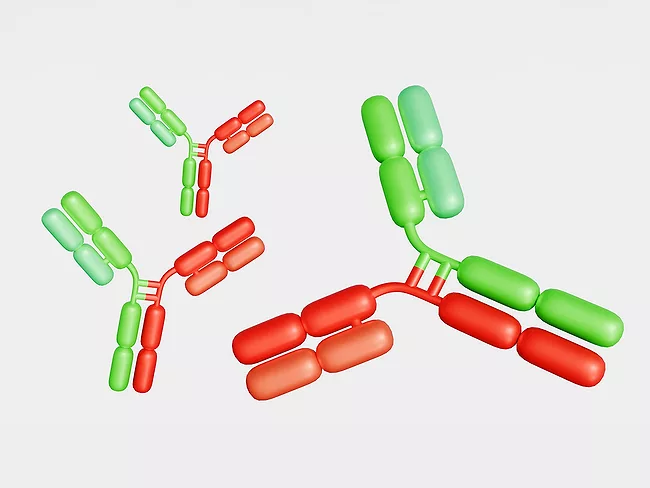
Boehringer Ingelheim International GmbH signed a €1.058 billion (US$1.26 billion) deal with Simcere Pharmaceutical Group Ltd. to license select rights to SIM-0709, a preclinical TL1A/IL-23p19-directed bispecific antibody targeting inflammatory bowel disease (IBD).
Heeding the recommendation of an independent data monitoring committee, Calcimedica Inc. said it is discontinuing the phase II study testing calcium release-activated calcium channel inhibitor Auxora in patients with acute kidney injury with associated acute hypoxemic respiratory failure.
The pressure on U.S. drug prices continues, with the CMS lining up the drugs for round 3 of negotiations, which will set maximum fair prices to go into effect in 2028. The slate includes 15 drugs and, for the first time, opens the negotiations to Part B drugs, as well as Part D. Consequently, seven of the 15 selected drugs are biologics.
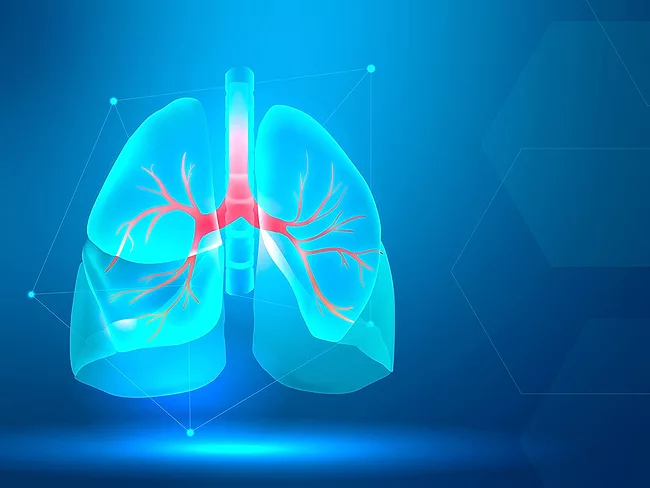
The prevalence of asthma differs between men and women, and furthermore, the difference changes over the lifespan. “Asthma is more common in boys than girls, but more common in women than men,” Clare Lloyd told BioWorld. Females are particularly susceptible to asthma during developmental periods of hormonal changes, also known as puberty, pregnancy and menopause.
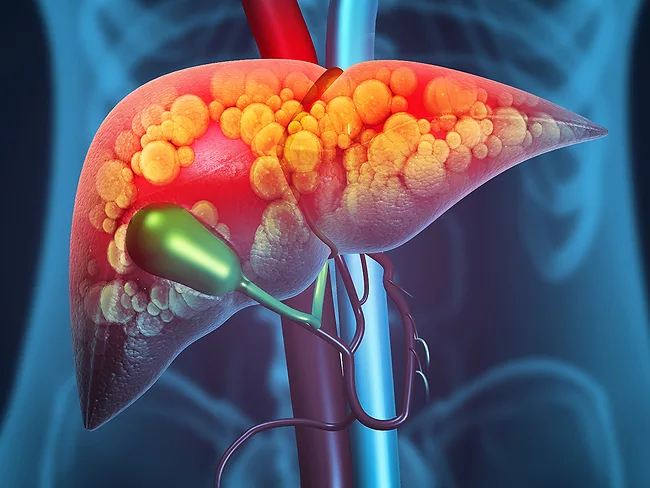
Liver fibrosis in the course of metabolic dysfunction-associated steatohepatitis (MASH) could be significantly reduced using CAR T-cells generated in vivo. Scientists at the Icahn School of Medicine at Mount Sinai have developed an experimental cell therapy that eliminates only one type of liver cell, the stellate cells that express fibroblast activation protein alpha (FAP). This strategy not only reduced fibrosis but also reversed liver damage.
The prevalence of asthma differs between men and women, and furthermore, the difference changes over the lifespan. “Asthma is more common in boys than girls, but more common in women than men,” Clare Lloyd told BioWorld. Females are particularly susceptible to asthma during developmental periods of hormonal changes, also known as puberty, pregnancy and menopause.
Hyperactivity of the transmembrane adaptor protein STING, which normally helps the cell respond to infection and injury, has been implicated in several autoimmune or inflammatory diseases, including systemic lupus erythematosus and amyotrophic lateral sclerosis.
CD122 – shared beta subunit of the IL-15 and IL-2 receptors, two targets for the figurative price of one – has drawn the eyes of many drug developers, among them Anaptysbio Inc., which will roll out phase Ib results in celiac disease during the fourth quarter of this year with ANB-033. The San Diego-based firm intends to weigh the candidate in a second inflammatory disease. A phase Ib study with ANB-033 in eosinophilic esophagitis will begin this quarter.
 RSS
RSS