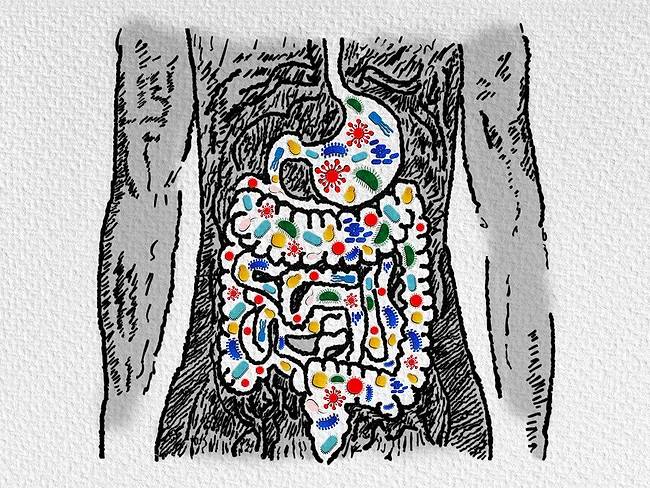
Cancer researchers are increasingly turning to the microbiome to understand why some patients respond well to treatment while others face severe complications. Gut microbial communities shift during intensive therapies such as bone marrow transplantation, and those changes influence infection risk, immune recovery and long‑term survival. New advances in microbial sequencing and engineering redefine this community as a measurable clinical parameter that can be monitored, modeled, and even therapeutically reshaped to improve outcomes in oncology and other conditions.
Anew Therapeutics Pte Ltd. has discovered new interleukin-17A (IL-17A)/interleukin-17 receptor A (IL-17RA) interaction inhibitors reported be useful for the treatment of Crohn’s disease, type 1 diabetes, dry eye and more.
Fate Therapeutics Inc. has obtained IND clearance from the FDA for FT-839, the company’s next-generation, off-the-shelf CAR T-cell product candidate targeting CD19 and CD38 for autoimmune diseases.
The Advanced Research Projects Agency for Health (ARPA-H), an agency within the U.S. Department of Health and Human Services, has announced the teams for the THRIVE (Treating Hereditary Rare diseases with In Vivo prEcision genetic medicines) program. With a commitment of up to $160 million over 5 years, THRIVE aims to accelerate solutions for rare genetic pediatric diseases across multiple technological approaches, clinical trial designs and deployment models.
Encouraging phase I data this week of new treatments for vitiligo, a chronic autoimmune disorder that destroys melanocytes, drove investor excitement, with Forte Biosciences Inc. the latest company to disclose a statistically significant benefit.
Cancer researchers are increasingly turning to the microbiome to understand why some patients respond well to treatment while others face severe complications. Gut microbial communities shift during intensive therapies such as bone marrow transplantation, and those changes influence infection risk, immune recovery and long‑term survival. New advances in microbial sequencing and engineering redefine this community as a measurable clinical parameter that can be monitored, modeled, and even therapeutically reshaped to improve outcomes in oncology and other conditions.
Primo Thera Co. Ltd. has divulged new interleukin-6 receptor subunit β (IL-6Rβ; gp130) inhibitors potentially useful for the treatment of autoimmune disease.
Abera Bioscience AB has completed a ferret study with its intranasal influenza vaccine candidate. The results were consistently strong and encourage the continued development of the program. Abera intends to publish detailed study data in a peer-reviewed scientific journal.
Ipsen SA announced its second acquisition of the week, saying it will pay €700 million (US$797 million) for Memo Therapeutics AG and its phase III-ready drug potravitug, a treatment for BK virus-associated infections and nephropathy in immune-compromised kidney transplant patients.
Nuvectis Pharma Inc.’s shares climbed further after the oncology-focused biotech nabbed select rights to a late-stage complement factor B inhibitor (HSK-39297/NXP-100) and a phase I BRAF inhibitor (HSK-42360/NXP-200) from Haisco Pharmaceutical Group Co. Ltd. for $40 million up front.
 RSS
RSS