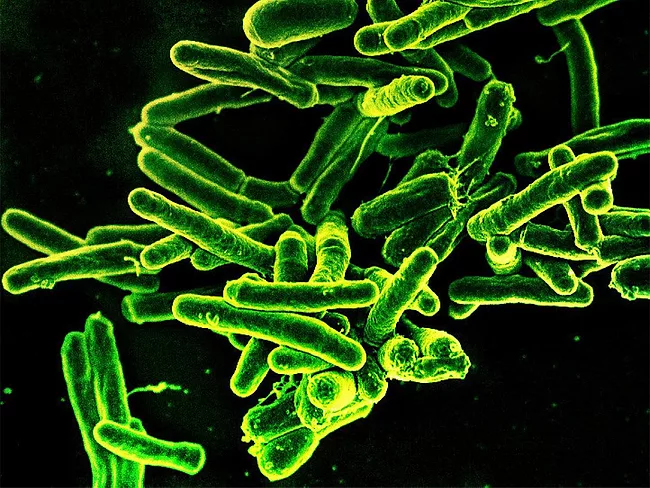
An experimental tuberculosis (TB) vaccine with a dual mission – self-destruction after inducing immunity – improved the design of the Bacillus Calmette-Guérin (BCG) immunotherapy, a vaccine also used against cancer. Scientists at the University of Pittsburgh engineered this strain with a double break, which is effective and safer after an intravenous administration, according to their results in nonhuman primates and mice.
Researchers at GSK plc and University of Dundee have identified heterocyclic compounds reported to be potentially useful for the treatment of tuberculosis.
Caseinolytic protease P (ClpP) is a conserved serine protease present in both bacteria and humans, essential for maintaining protein quality by degrading misfolded proteins.
The dengue virus (DENV) is a single-stranded RNA virus with increasing worldwide prevalence causing severe mosquito-borne viral infections. Therefore, effective strategies to prevent and treat DENV infections are urgently needed.
A recent study by scientists at Tongji University highlights the potential of TBAJ-587, a novel diarylquinoline, in addressing the challenge of treating Mycobacterium abscessus infections, a subset of nontuberculous mycobacteria that exhibit resistance to many antibiotics.
In a recently published study, researchers based at Université Paris-Saclay identified OXA-1186, a novel carbapenemase related to the previously known OXA-198 enzyme, in a clinical isolate of Citrobacter freundii. This discovery underscores the ongoing challenge of antibiotic resistance in bacterial pathogens.
Institut Pasteur Korea has signed a memorandum of understanding (MOU) with four Pohang University of Science and Technology (POSTECH)-affiliated research institutes with the aim of pursuing joint research on mRNA vaccine and treatment development.
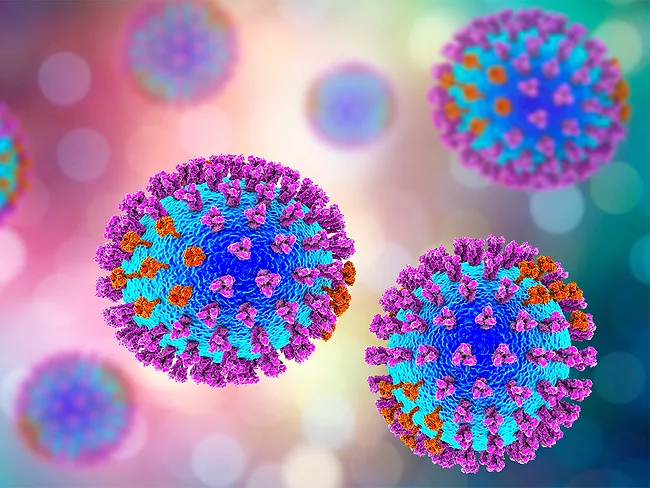
Novel vaccines that can effectively target both coronaviruses and influenza viruses would be desirable to counteract the significant health burden these respiratory pathogens pose.
 RSS
RSS