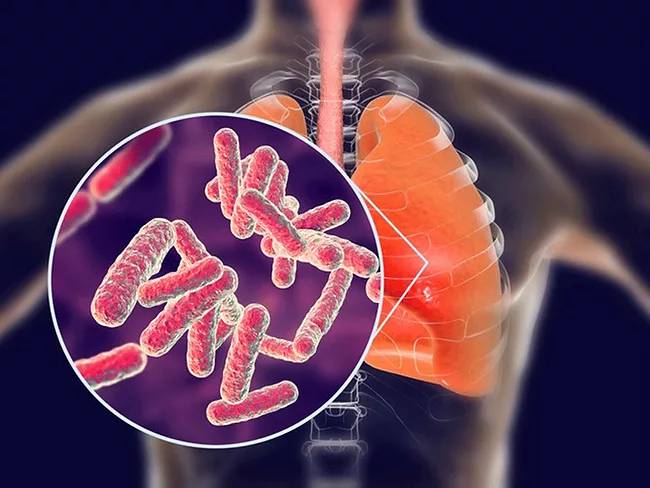
By analyzing the antibody response of a survivor of Marburg virus infection, researchers at the University of Texas Medical Branch and Vanderbilt University Medical Center have gained new insights into the function of non-neutralizing antibodies in fighting infections.
With completion of a $120 million series B financing, Affinivax Inc. said it's poised to advance several new vaccine candidates for hospital-associated infections into the clinic even as its partner, Astellas Pharma Inc., carries its lead pneumococcal vaccine candidate, ASP-3772, through an upcoming phase III program.
New pivotal data on Scynexis Inc.'s lead candidate, an antifungal for vulvovaginal candidiasis (VVC), have cleared the path to an NDA filing in the indication later this year and a potential approval in mid-2021.
“Vaccines, obviously, are the ultimate solution for pandemics,” Rino Rappuoli told BioWorld. They have, he added, “already eliminated a lot of pandemic threats – smallpox, influenza, poliomyelitis.” And the road to normalcy from the current pandemic, or any pandemic, is likely to be open only once there is a vaccine.
Specific therapies against a new disease take time to develop. But there are methods that can speed up that development – and in the meantime, there are ways to make do with what’s already in the cupboard.
There will be lessons learned aplenty when the COVID-19 pandemic finally breaks, including how serological and molecular testing can be used to maximum effect to corral a future pandemic. Carmen Wiley, president of the American Association of Clinical Chemistry, told BioWorld that the existing instrument types are up to the job, but that surge capacity is needed, and that it is not clear how the cost of that capacity will be handled.
“In any crisis, leaders have two equally important responsibilities: solve the immediate problem and keep it from happening again... The first point is more pressing, but the second has crucial long-term consequences.” So wrote Bill Gates in a February editorial in The New England Journal of Medicine about COVID-19, which “has started behaving a lot like the once-in-a-century pathogen we’ve been worried about.”
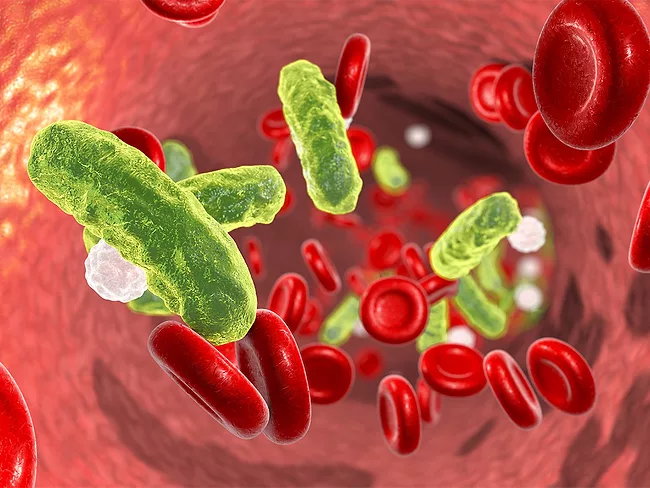
Indian scientists have discovered a previously unknown mechanism underlying life-threatening sepsis and proposed a new treatment strategy centered upon cell-free chromatin (cfCh), they reported in the March 4, 2020, edition of PLOS ONE. Notably, they showed that sepsis could be caused by cfCh released from dying host cells following microbial infection.
LONDON – AM-Pharma BV raised a further $52 million for the phase III trial of its recombinant alkaline phosphatase product, Recap, in treating sepsis-associated acute kidney injury (AKI), but now faces a delay in starting the study, as the COVID-19 crisis takes up more and more clinical resources.
HONG KONG – Phase II data of South Korea-based Qurient Co. Ltd.’s novel antibiotic candidate may offer hope that the first universal regimen to treat tuberculosis (TB) regardless of drug resistance status has been found.
 RSS
RSS