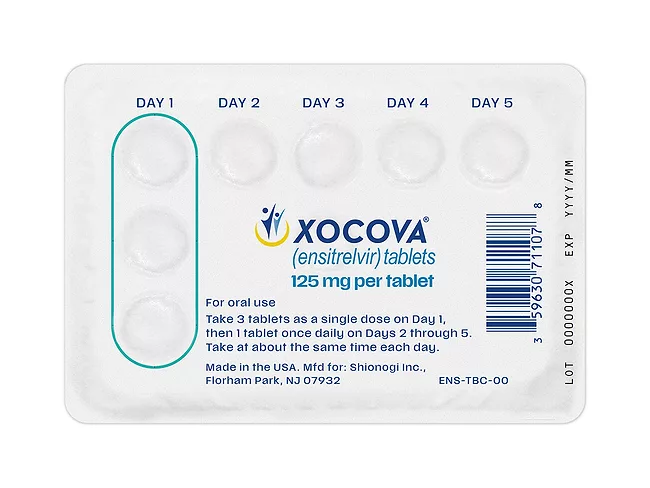
The U.S. FDA approved Shionogi & Co. Ltd.’s Xocova (ensitrelvir) as the first oral post-exposure prophylactic option in the U.S. to prevent COVID-19, with the decision coming ahead of a PDUFA target date of June 16.
“I need to be honest with you about something important. Most previous Ebola outbreaks in the Democratic Republic of Congo (DRC) were caused by a virus called Ebola Zaire, for which we have vaccines and treatments. This outbreak is caused by a different virus called Ebola Bundibugyo. There are currently no approved vaccines or treatments for it.” This was the stark message from Tedros Adhanom Ghebreyesus, director general of the World Health Organization (WHO) in an open letter to the people of the DRC, as he traveled to the country on Friday, May 29.
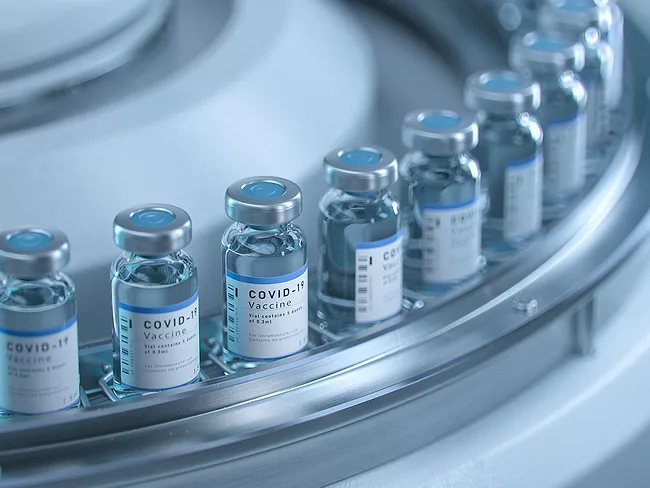
Landing on the right COVID-19 vaccine formulation for the coming season is becoming more complicated against a backdrop of low vaccination rates, young children with little to no immunization, declining surveillance data and a new SARS-COV-2 lineage slowly emerging.
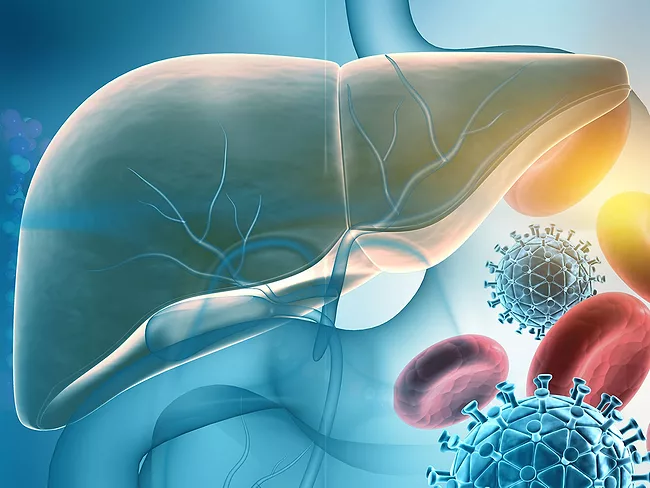
GSK plc has announced a breakthrough in the treatment of chronic hepatitis B, reporting a functional cure rate of 19% across two phase III trials of its antisense oligonucleotide bepirovirsen.
Recent findings are reshaping current understanding of the post-infection landscape of SARS-CoV-2. Although previous studies had already suggested that autoimmunity might underlie the persistent neurological symptoms seen in long COVID, researchers at Yale University and Mount Sinai now reinforce this hypothesis. SARS-CoV-2 infection appears to trigger an autoimmune mechanism that drives chronic pain, fatigue and cognitive impairment in some patients.
Acknowledging that the spread of the Andes virus and the resulting disease, hantavirus pulmonary syndrome, “constitutes a credible risk of a future public health emergency,” U.S. Health and Human Services Secretary Robert Kennedy is issuing a declaration to provide liability protection for manufacturers, distributors and providers using favipiravir as a medical countermeasure (MCM) against the virus.
What would normally be a routine meeting of the FDA’s Vaccines and Related Biological Products Advisory Committee May 28 may be more carefully watched given the overall turmoil surrounding vaccines in the U.S. The only task before the adcom is to recommend the COVID-19 vaccine formula for the upcoming season. That conversation will include looking at the effectiveness of the four FDA-approved vaccines currently in use in the U.S.
Less than two weeks after the outbreak was officially declared, animal studies of a newly designed vaccine against the Bundibugyo Ebola virus are now underway in the U.S. and U.K., and the Serum Institute of India is standing ready to manufacture the vaccine for clinical trials. If the animal tests are positive, the vaccine will be ready for clinical trials in two to three months.
As the most active biopharma acquirer of 2026, Eli Lilly and Co. offered to buy three vaccine companies for up to $3.8 billion combined, while it simultaneously released positive early clinical results of a gene editing medicine brought into the fold last year through its buyout of Verve Therapeutics Inc.
Infex Therapeutics Ltd. has published positive phase IIa data for its lead program, RESP-X, in the treatment of exacerbations of chronic respiratory infections caused by Pseudomonas aeruginosa and is now laying the ground for phase IIb development, after raising £4.3 million (US$5.8 million) in new capital.
 RSS
RSS