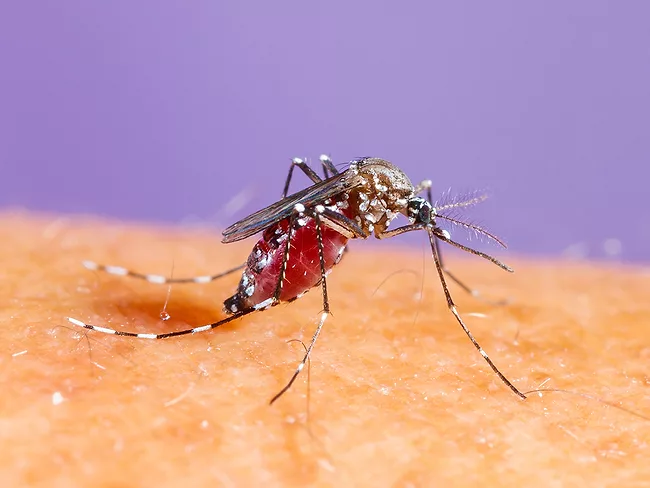
Phase III data from Novartis AG for the malaria treatment Ganlum (KLU-156) show it met the primary endpoint of noninferiority to the current standard of care, Coartem, a combination of artemether and lumefantrine. The results are a step to curbing a problem that has seen rising numbers in recent years.
South Korean researchers led by Lee In-suk of Yonsei University have reported the most complete oral microbiome catalog to date, with more than 72,000 genomes. Detailed in Cell Host & Microbe on Nov. 12, 2025, the database is expected to serve as a universal platform for academia and enable “precision microbiome medicine” for the industry, Lee told BioWorld.
Bluejay Therapeutics Inc.’s lead compound, the fully human monoclonal antibody brelovitug (BJT-778), produced positive virologic response data in the company’s phase II study of chronic hepatitis D virus, a condition with no approved treatment in the U.S.
Industry watchers were surprised when Eli Lilly and Co.’s oral GLP-1 candidate, orforglipron, did not appear among the first nine recipients of the U.S. FDA’s commissioner’s national priority voucher (CNPV) program aimed at shortening regulatory review times, boosting domestic manufacturing and improving affordability. But orforglipron, which recently nailed endpoints in a second phase III trial and has been hailed a potentially best-in-class compound, was among the second batch of six drugs added to the CNPV list.
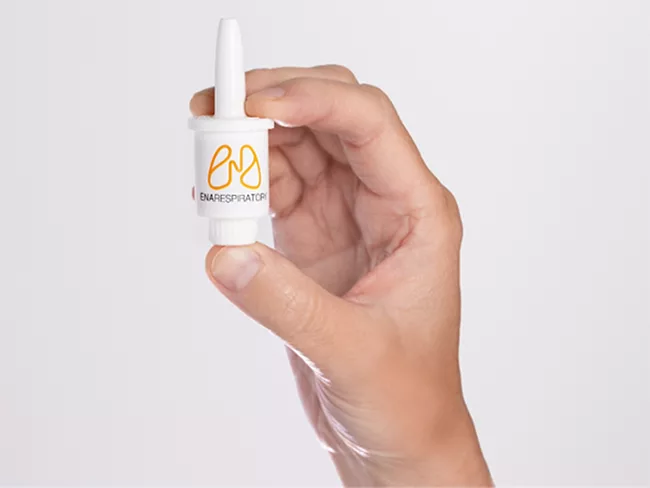
Ena Respiratory Pty Ltd. raised an AU$34 million (US$22.4 million) series B round to advance INNA-051, its nasal spray for symptomatic viral respiratory infections, to phase II trials. New investors in the Melbourne-headquartered company include the Gates Foundation and Flu Lab. Existing investors Brandon Capital, Uniseed and Stoic Venture Capital also participated in the round.
Moderna Inc. stopped its efforts to develop mRNA-1647 as a vaccine for preventing congenital cytomegalovirus infection, the most common infectious cause of birth defects in the U.S. The pivotal and placebo-controlled phase III CMVictory study of mRNA-1647 missed the primary efficacy endpoint, which was preventing the infection in seronegative females ages 16 to 40.
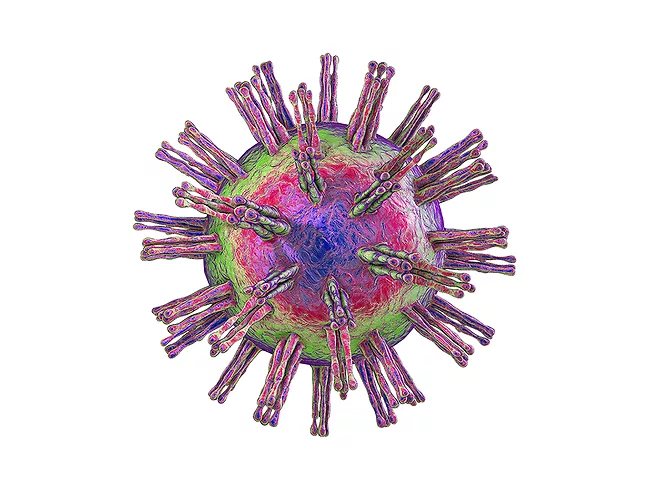
Aicuris Anti-Infective Cures AG is preparing to file for U.S. FDA approval after reporting positive phase III results for lead antiviral pritelivir in the healing of refractory herpes simplex virus lesions in immunocompromised patients.
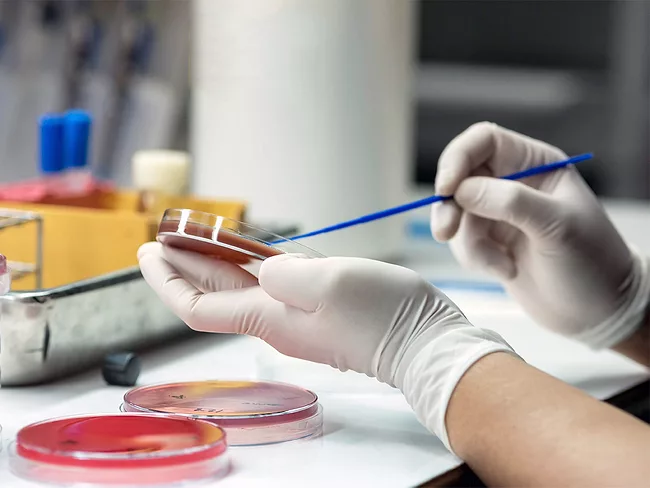
One in six common bacterial infections diagnosed worldwide in 2023 were resistant to treatment with antibiotics, according to the latest surveillance data gathered by the World Health Organization (WHO). Drug-resistant gram-negative bacteria that cause bloodstream infections that can lead to sepsis, organ failure and death are an increasing threat globally.
An uncommon route to the public markets – direct listing – paid off for Turn Therapeutics Inc., with shares (NASDAQ:TTRX) closing Oct. 9 at $9.20, up $2.20, or 31%, having risen as high as $26.50 in its second day of trading. The firm is advancing late-stage clinical programs in eczema and onychomycosis. Also in the works are global health initiatives in thermostable vaccine delivery designed to serve underserved areas.
Even though the U.S. CDC is operating on a skeleton crew due to the partial government shutdown, it is updating its immunization schedules to adopt the COVID-19 and chickenpox vaccine recommendations the Advisory Committee on Immunization Practices (ACIP) made at its September meeting.
 RSS
RSS