Researchers at the Massachusetts Institute of Technology have developed a generative AI model that was able to generate novel antibiotic structures from either chemical fragments or de novo, starting from ammonia, methane, water or no starting point at all. In a study that was published online in Cell, the team tested two dozen of more than 10 million structures that were proposed as potential antibiotics by the model.
For more than 30 years, the U.S. CDC’s Advisory Committee for Immunization Practices (ACIP) and the American Academy of Pediatrics (AAP) worked together to harmonize their evidence-based vaccine schedules. Not anymore.
Avixgen Co. Ltd., a subsidiary of Dx&Vx Co. Ltd., inked a $360 million license agreement with an unidentified U.S.-based biotechnology company, granting the latter rights to its advanced cell penetrating (ACP) peptide drug delivery platform.
CSL Ltd.’s stock tumbled 16.88% on the news that it plans to cut 3,000 jobs and to hive off its Seqirus vaccine unit in a cost-cutting measure to save more than $500 million per year over the next three years.
In the wake of a lawsuit from the anti-vaccine nonprofit group U.S. Health and Human Services (HHS) Secretary Robert Kennedy founded, HHS is reviving a vaccine safety task force that’s been lifeless for nearly three decades.
The U.S. FDA has given a swift and full approval to Precigen Inc.’s gene therapy, Papzimeos (zopapogene imadenovec), for treating adults with recurrent respiratory papillomatosis (RRP), a rare and chronic disease characterized by benign tumors in the respiratory tract.
Infectious disease biopharma stocks bounced back in June and July, with the BioWorld Infectious Disease Index (BIDI) closing July up 4.34%. This marked a sharp reversal from earlier in the year, as the BIDI had dropped 17.83% by the end of April and 21.04% by the end of May.
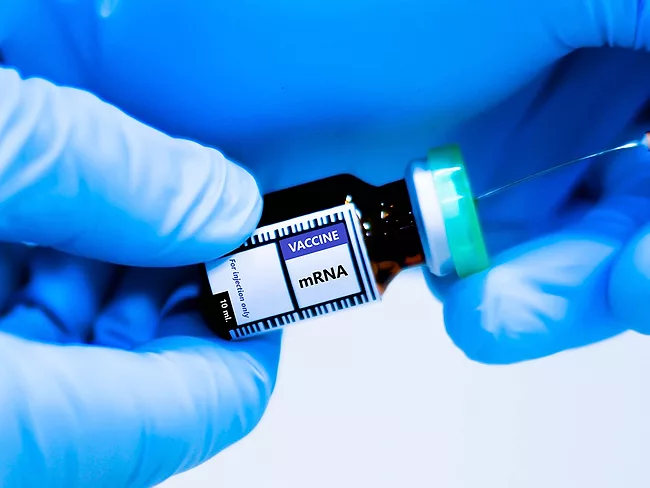
Cancel culture continues at the U.S. Department of Health and Human Services (HHS) as it observes National Immunization Awareness Month with another strike against vaccines. This time, a $500 million strike specifically targets 22 mRNA vaccine R&D programs at the Biomedical Advanced Research and Development Authority (BARDA), marking the beginning of the end of BARDA’s funding for mRNA vaccines.
The other shoe dropped on the U.S. CDC’s Advisory Committee for Immunization Practices (ACIP) when at least nine liaison organizations were informed by email late July 31 that they would no longer be involved in ACIP’s process of reviewing scientific evidence and informing vaccine recommendations.
Chinese vaccine company Ab&B Bio-tech announced an IPO listing on the Hong Kong Stock Exchange (HKEX:2627) under which it hopes to raise up to HK$518.36 million (US$66 million) to commercialize its influenza and human rabies vaccines in China and internationally.
 RSS
RSS