The other shoe dropped on the U.S. CDC’s Advisory Committee for Immunization Practices (ACIP) when at least nine liaison organizations were informed by email late July 31 that they would no longer be involved in ACIP’s process of reviewing scientific evidence and informing vaccine recommendations.
Chinese vaccine company Ab&B Bio-tech announced an IPO listing on the Hong Kong Stock Exchange (HKEX:2627) under which it hopes to raise up to HK$518.36 million (US$66 million) to commercialize its influenza and human rabies vaccines in China and internationally.
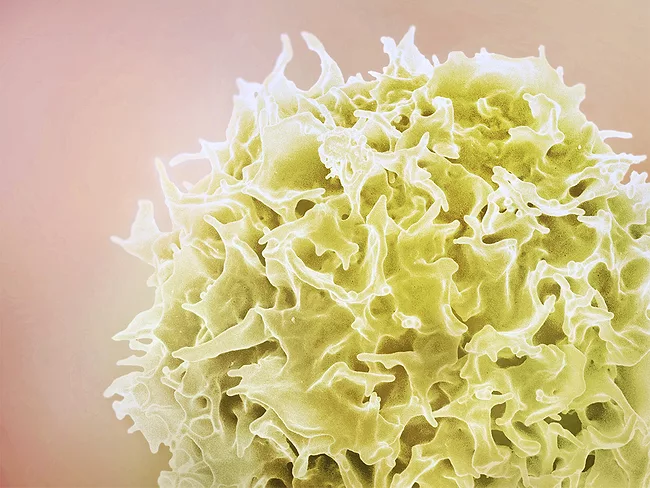
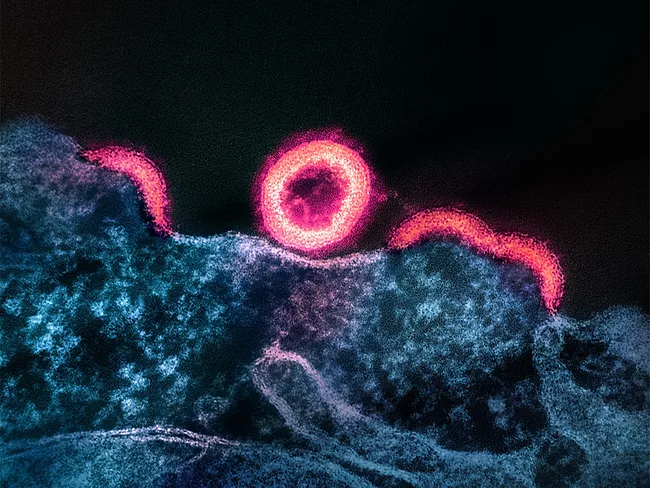
Around 10 million people globally live with the life-threatening human T-cell lymphotropic virus type-1 (HTLV-1), yet it remains a poorly understood disease that currently has no preventative treatments and no cure. That could soon change after Australian researchers discovered that existing HIV drugs can suppress transmission of the HTLV-1 virus in mice.
The news that Vinay Prasad has stepped down as CBER director at the U.S. FDA had some biotech stocks literally jumping in joy as the market opened July 30. Meanwhile, Prasad’s decisions regarding vaccine development, as well as actions by Makary and HHS Secretary Robert Kennedy, are coming under fire.
It’s not surprising that, of all the recommendations the U.S. CDC’s vaccine advisory board made at its June meeting, the first one Health and Human Services Secretary Robert Kennedy signed off on would essentially remove thimerosal from influenza vaccines in the U.S. What is surprising is the time it took for him to do so, given his long-held position on the preservative used in multidose vials and his insistence that a thimerosal presentation and vote be added to the agenda.
Respiratory vaccines specialist Vicebio Ltd. is to be acquired by Sanofi SA in a $1.6 billion deal, of which $1.15 billion will be paid up front. The acquisition rests on an ongoing phase I trial of the lead asset, VXB-241, a bivalent vaccine that is intended to provide protection against both respiratory syncytial virus and metapneumovirus. The interim analysis of the study showed a favorable safety and tolerability profile in adults, ages 60 and older, and validated the underlying vaccine technology, which is applicable to a wide range of respiratory viruses.
There is still no effective vaccine or cure for HIV. Scientists are considering options ranging from longer-term antiretroviral therapy (ART) that space out injections by several years to long-lasting pre-exposure prophylaxis (PrEP) that acts as a vaccine while immunization is achieved. What else can be done?
SML Biopharm Co. Ltd. is harnessing mRNA technology to develop novel immunotherapy-based cancer vaccines, including two candidates for cervical and head and neck cancers caused by human papillomavirus (HPV) infection.
While people living with HIV can lead virtually normal lives thanks to antiretroviral therapy (ART), HIV persists in a latent state within cellular reservoirs that scientists do not know how to eliminate. “Transcription is a critical step in the viral life cycle. … But there are currently no drugs suppressing HIV transcription, and that may be one of the reasons why current antiretroviral therapy is not curative,” Melanie Ott told the audience at the 13th IAS Conference on HIV Science this week in Kigali, Rwanda.
With the June 9 U.S. Senate Health, Education, Labor and Pensions (HELP) Committee party-line vote of 12-11, Susan Monarez’s nomination is headed to the Senate floor where she could become the first CDC director to go through the confirmation process. That’s thanks to a provision in the bipartisan PREVENT Pandemics Act that was signed into law in 2022.

 RSS
RSS