Triastek Inc., of Nanjing, China, scored a potential $1.2 billion collaboration and platform technology license deal with Biontech SE to manufacture oral RNA therapeutics with 3D printing technology.
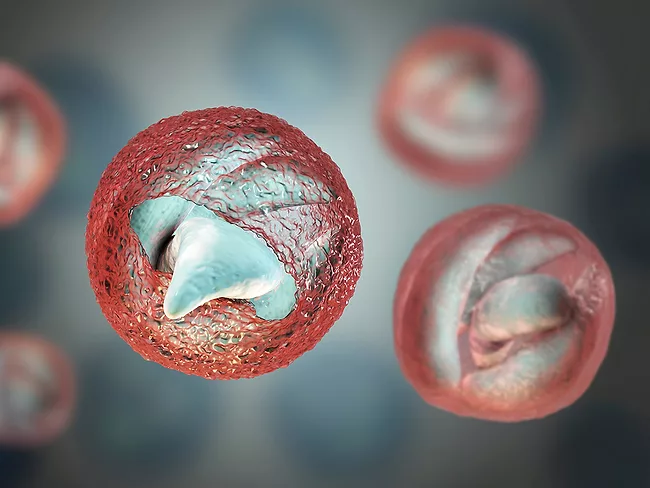
Nexsen Biotech Pty Ltd. developed a rapid diagnostic test for Group B Streptococcus, a highly prevalent and potentially fatal bacteria that is the single largest maternal health problem faced by pregnant mothers.
On the heels of a $7 million seed round, Singapore-based medical technology startup Thrixen Pte Ltd. is accelerating development of its diagnostic technology platform that has the potential to perform multiplex diagnostic tests at the point of care.
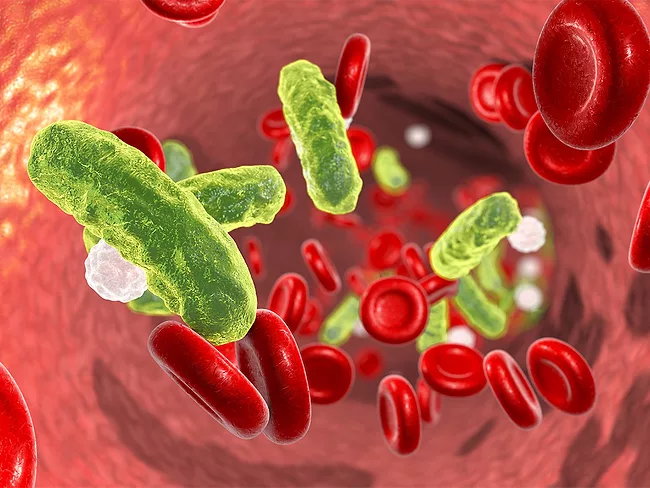
New research has pinpointed gene signatures that determine what immune responses will be activated in the development of sepsis, pointing to novel targets and opening the way for the stratification of clinical trials and for patients to be treated on the basis of their immune response, rather than their symptoms.
An interdisciplinary team of researchers from the University of Arkansas have filed for protection of an optical sensing platform and method for synovial fluid analysis to reduce diagnosis time leading to quicker results for doctors and patients. Their innovation allows for faster and non-destructive evaluation of biological samples.
Elutia Inc. received U.S. FDA clearance for its antibiotic-eluting bioenvelope. Designed to prevent post-operative complications from the implantation of cardiac devices such as pacemakers and defibrillators, Elupro (formerly Cangaroo RM) combines slow release of the antibiotics rifampin and minocycline with a biomatrix that stimulates regeneration of a tissue pocket to surround and protect the device.
Sherlock Biosciences Inc. is on the case of the missing tests – the lack of diagnostic testing for sexually transmitted infections, that is. Sherlock’s over-the-counter molecular, disposable tests combine CRISPR and synthetic biology chemistries to provide results in 30 minutes in the privacy of the user’s home.
Is the U.S. getting the best return on investment (ROI) for its NIH buck? That’s the basic question at the heart of a white paper Sen. Bill Cassidy (R-La.) issued May 9 to continue a conversation he started in September on the reforms needed at the country’s premier biomedical research institution.
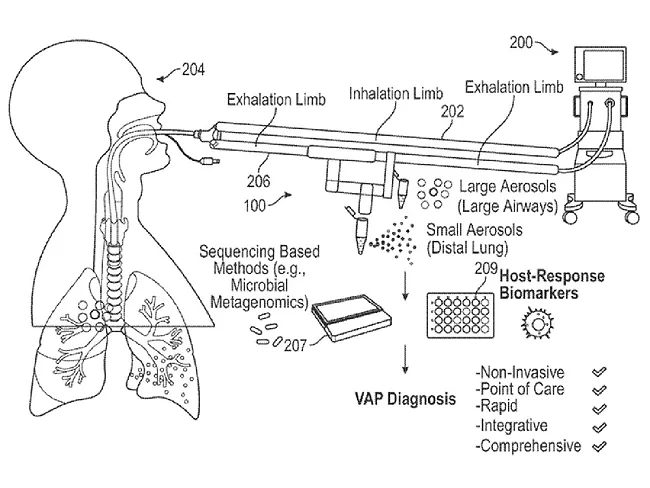
Researchers from the University of Pittsburgh have developed a device designed to collect exhaled respiratory aerosols from mechanically ventilated patients. Their device is designed to be non-invasive, highly efficient and can be readily placed in the exhalation line of ventilators without interfering in the functions of the ventilator.
Less than a week ago, executives at Lyra Therapeutics Inc. were looking ahead to “imminent” data from its first phase III study in chronic rhinosinusitis (CRS), testing drug-device candidate LYR-210, a drug-device candidate largely expected to fill a much-needed gap in CRS treatment. On Monday, May 6, they were announcing plans to preserve cash in the wake of the failed Enlighten 1 study, which raised doubts as to the feasibility of the company’s CRS programs, which also include the similarly designed candidate LYR-220.
 RSS
RSS