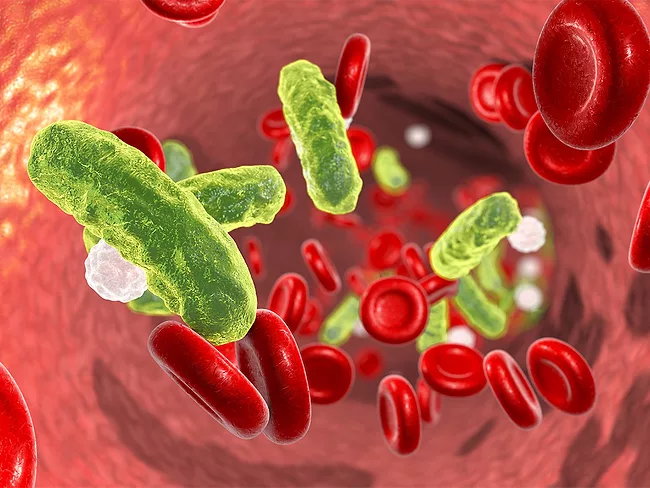
A rapid diagnostic test from Ocean Dx SAS delivered gold standard performance in a clinical evaluation that points to a potential shift in how sepsis is identified and treated. The assay, which detects more than 1,000 bacterial species directly from whole blood, returned 100% sensitivity and 100% specificity compared with reference blood cultures, with results reported in five hours. Further, the test tripled the number of infections identified.
South Korean researchers led by Lee In-suk of Yonsei University have reported the most complete oral microbiome catalog to date, with more than 72,000 genomes. Detailed in Cell Host & Microbe on Nov. 12, 2025, the database is expected to serve as a universal platform for academia and enable “precision microbiome medicine” for the industry, Lee told BioWorld.
Oxford Nanopore Technologies plc and Biomérieux SA launched Ampore-TB, a research use only test that can rapidly detect mutations linked to antimicrobial resistance in tuberculosis. With multidrug-resistant TB affecting an estimated 400,000 people annually and increasing risks of morbidity and mortality, this assay could help with earlier diagnosis of drug resistance in patients.
Roche Holdings AG received CE mark approval for its Elecsys Dengue Ag test, a fully automated, high-throughput immunoassay to help diagnose acute dengue virus infections. With cases of dengue on the rise worldwide, the test, which delivers results in 18 minutes, offers high sensitivity and specificity across all four dengue virus serotypes, and will help clinicians confidently distinguish dengue from other illnesses causing acute fever.
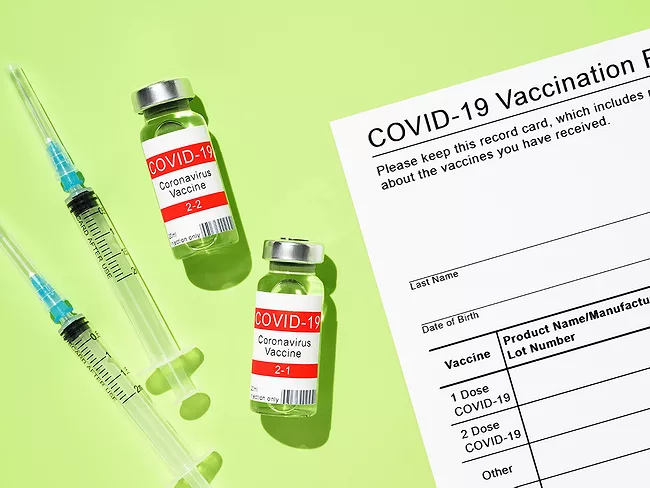
Even though the U.S. CDC is operating on a skeleton crew due to the partial government shutdown, it is updating its immunization schedules to adopt the COVID-19 and chickenpox vaccine recommendations the Advisory Committee on Immunization Practices (ACIP) made at its September meeting.
Phase Scientific International Ltd. launched China’s largest clinical study for urine-based cervical cancer screening. If successful, the blood-based test could be the first non-invasive test for HPV.
In what represents the first filing to have emerged in the name of Cellect Laboratories Inc., one of the start-up’s co-founders, Claire Theresa Murphy, describes their development of a non-invasive screening method that could one day replace the Pap test.
Globally, over half of people living with HIV are women. But in clinical cure trials, they make up only about 20% of participants. And that gender imbalance is causing researchers to miss out on ways to improve cure strategies. Because women’s immune systems appear to be better at controlling HIV infection in a way that silences the reservoir – the provirus integrated into host cells in infected persons.
The second day’s meeting of the U.S. CDC’s Advisory Committee for Immunization Practices (ACIP) took up guidelines related to COVID-19 vaccines, of which an outspoken skeptic is Health and Human Services Secretary Robert Kennedy – who in June fired all 17 members of ACIP and replaced them with names more to his liking.
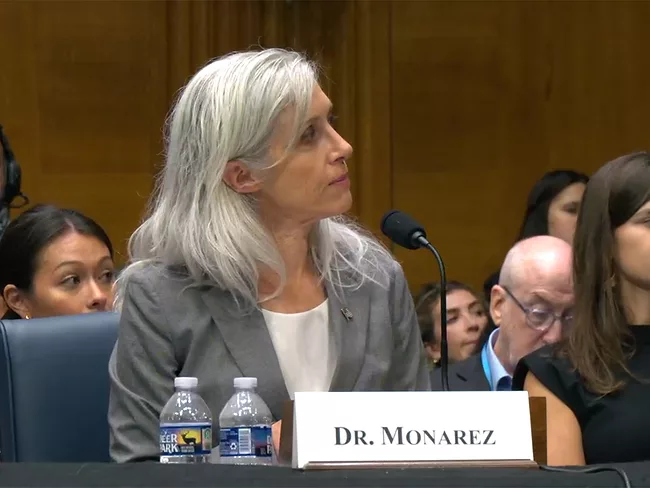
The Sept. 17 U.S. Senate Health, Education, Labor and Pensions Committee hearing on the CDC is throwing even more shade on the upcoming meeting of the agency’s reconstituted Advisory Committee for Immunization Practices (ACIP), which is expected to recommend changes to the childhood vaccine schedule.
 RSS
RSS