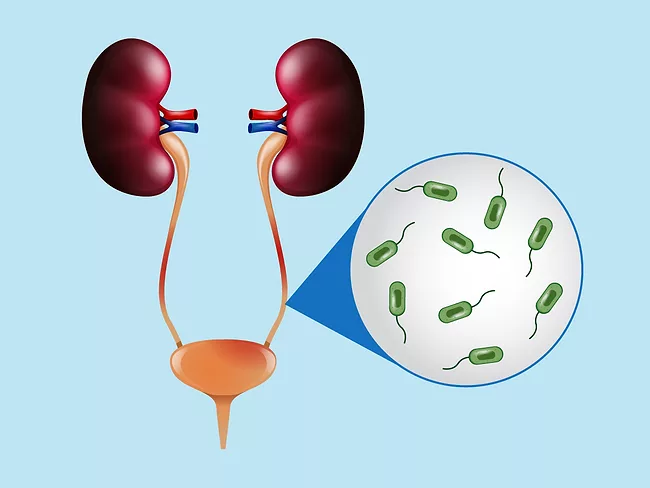
In a recent study led by Soman Abraham from Duke University, investigators observed that an increase in nociceptive sensory nerves in urinary tract biopsies from patients with recurrent urinary tract infections (rUTIs) was linked to elevated nerve growth factor (NGF) from monocytes and mast cells. This overgrowth of nerve cells appeared to cause lingering symptoms after rUTIs.
COVID-19 severity remains open to several questions. Researchers at the University of California Los Angeles (UCLA) have revealed how SARS-CoV-2 causes acute inflammation instead of the symptoms of a common cold. This effect could be initiated by the peptide fragments of the coronavirus released when the host eliminates the virus, which can form pro-inflammatory complexes that trigger an amplified immune response.
The U.S. Department of Health and Human Services (HHS) has released a sweeping plan that is designed to help manage vector-borne pathogens, such as the Zika virus, with the ultimate goal of reducing the related disease burden to zero.
Researchers at ETH Zurich have identified a proteomic signature that could recognize long COVID six months after acute infection. Biologically, the signature indicated that the complement system remained active in patients with long COVID six months after infection. Translationally, it could lead to a diagnostic test for long COVID, and suggests that targeting the complement system could be a therapeutic approach to prevent or treat the disorder.
Ubidx Inc. has designed a diagnostic system comprised of a fluidic single-use disposable and a base. While the fluidic single-use disposable or cartridge is generally described as being suitable for testing a single sample, the base or hub may be used numerous times to perform numerous tests using numerous fluidic single-use disposables or cartridges.
Researchers have used explainable artificial intelligence (explainable AI) to find structurally new antibiotics with minimal toxicity. They reported their findings online in Nature on Dec. 20, 2023. In animal testing, compounds identified via the method showed that they had activity against drug-resistant gram-positive bacteria including methicillin-resistant Staphylococcus aureus (MRSA), one of the most serious bacterial public health threats.
The Nobel Prize-winning modification that prevents the innate immune system from recognizing injected mRNA as foreign and blocking transcription of the protein it encodes has been found on some occasions to cause ribosomal frameshifting.
Inflammatix Inc. received U.S. FDA breakthrough device designation for its Triverity acute infection and sepsis test system, which produces three readouts that could help emergency physicians quickly determine the proper course of treatment.
South Korean researchers from the Gwangju Institute of Science and Technology (GIST) developed a new fluorescence-based lateral-flow immunoassay (LFI) enhanced with gold nanorod (GNR)-based probes to detect viral infections like the influenza A virus.
After Cormedix Inc. navigated manufacturing issues that slowed the process, the U.S. FDA approved the antibacterial and antifungal solution Defencath to reduce catheter-related bloodstream infections adults with kidney failure.
 RSS
RSS