Chengdu Tetrahedral Drug Research Co. Ltd. has synthesized bicyclic derivatives acting as β-lactamase (bacterial) inhibitors reported to be useful for the treatment of bacterial infection.
The Council of Scientific and Industrial Research (India) has synthesized new benzo[de]isoquinoline-1,3-dione-based fluorophore probes acting as decaprenylphosphoryl-β-D-ribose oxidase (DprE1) (M. tuberculosis) inhibitors reported to be useful for the diagnosis and treatment of tuberculosis.
Current decolonization methods for methicillin-resistant Staphylococcus aureus (MRSA) face several challenges, including resistance development or microbiome disruption. Hypharm GmbH has presented data regarding their recombinant chimeric bacteriophage endolysin HY-133 for the potential treatment of MRSA infection. HY-133 targets S. aureus and its design combines the CHAP domain from phage K with the cell wall-binding domain of lysostaphin.
Avian influenza viruses, particularly the H5 and H7 subtypes, can cause widespread outbreaks in birds and pose a significant zoonotic risk due to their potential to mutate and develop the ability for human-to-human transmission. Researchers from the University of Muenster described the preclinical efficacy of zapnometinib, a selective MEK1/2 inhibitor, against H5N1 clade 2.3.4.4b.
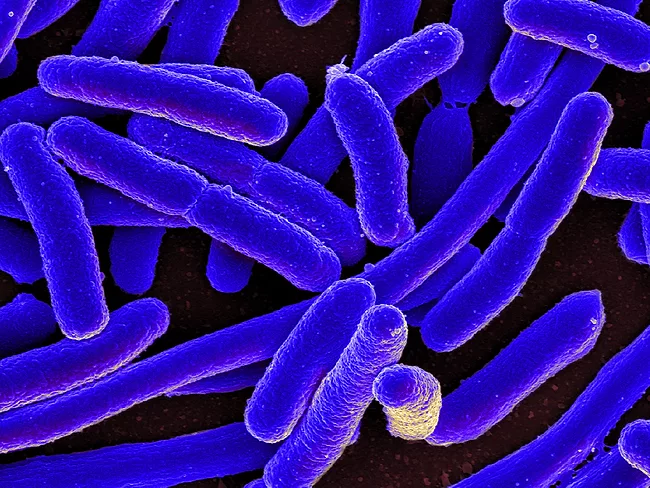
CARB-X (Combating Antibiotic-Resistant Bacteria Biopharmaceutical Accelerator) has announced it will award US$2 million to Immunethep SA to develop a conjugated peptide-based vaccine to prevent infections from all invasive serotypes of Escherichia coli.
Mycobacterium abscessus, a notorious pathogen known for its resistance to most antibiotics, poses significant treatment challenges. To overcome this intrinsic resistance, a recent study published in Antimicrobial Agents and Chemotherapy by researchers from the University of Science and Technology of China and collaborators identified a promising molecular target that may guide the development of new therapeutic strategies.
With massive terminations, data removals, holds on U.S. government funding, cancellation of various programs and meetings, the potential for 25% tariffs on medical products and a multitude of court challenges and appeals, the dust is flying thick at the FDA, NIH and throughout the Department of Health and Human Services (HHS).
Tuberculosis (TB) is a serious infectious disease caused by the bacterium Mycobacterium tuberculosis. While multidrug treatment regimens are the standard of care, the lengthy treatment schedule and the emergence of drug-resistant TB highlight the need for new therapeutic options to address these challenges. Inosine-5′-monophosphate dehydrogenase (GuaB) is vital for bacterial survival and propagation; therefore, GuaB inhibitors are considered potential compounds to add to first-line TB treatment.
Researchers from Kevirx Inc. and collaborators have described the use of KVX-053, a PTP4A3 inhibitor aimed to be used for the prevention of COVID-19-associated cute lung injury (ALI).
With the U.S. FDA’s approval of Vimkunya, Bavarian Nordic A/S is now in the chikungunya virus infection mix along with Valneva SE’s Ixchiq. A single-dose, adjuvanted virus-like particle-based vaccine to protect against the chikungunya virus infection, Vimkunya is the first of its kind available in the U.S. for those age 12 and older.

 RSS
RSS