Implementation of Flosonics Medical Inc.’s Flopatch reduced sepsis-associated mortality more than 80% in a California public hospital, a case study showed. A wearable Doppler ultrasound device, Flopatch continuously assesses blood flow to guide fluid delivery and resuscitation in critically ill patients.
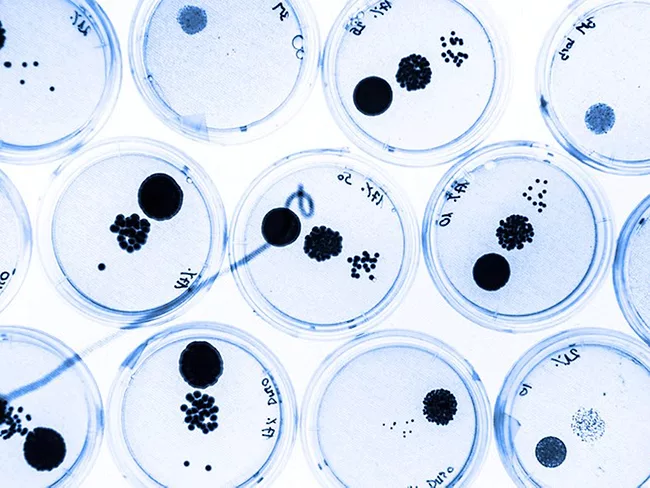
It was hypothesized that the MEK1/2 inhibitor ATR-002 could reduce inflammation and clear Staphylococcus aureus infection during cystic fibrosis, thus potentially showing a dual effect.
RTI International has divulged vancomycin derivatives with siderophore modification reported to be useful for the treatment of gram-negative and gram-positive bacterial infections.
Gigagen Inc., a subsidiary of Grifols SA, has been awarded a contract by the U.S. Biomedical Advanced Research and Development Authority (BARDA) to develop a recombinant polyclonal antibody therapy for botulinum neurotoxins and a second biothreat of interest yet to be determined.
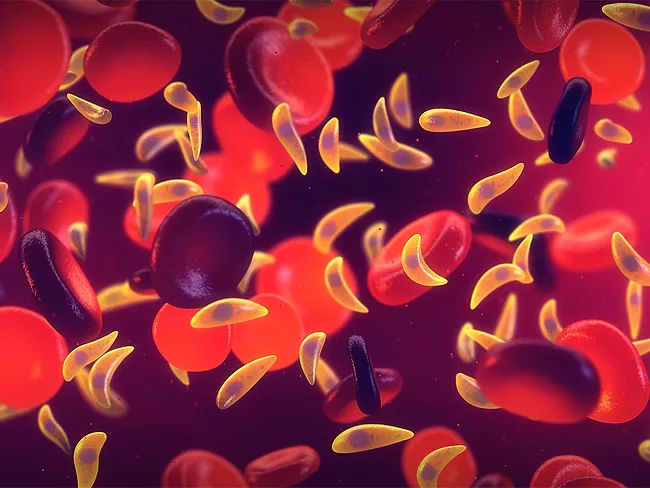
Ege University scientists and their collaborators have detailed the preclinical characterization of a novel DNA vaccine encoding the SRS13 protein being developed for the prevention of chronic toxoplasmosis.
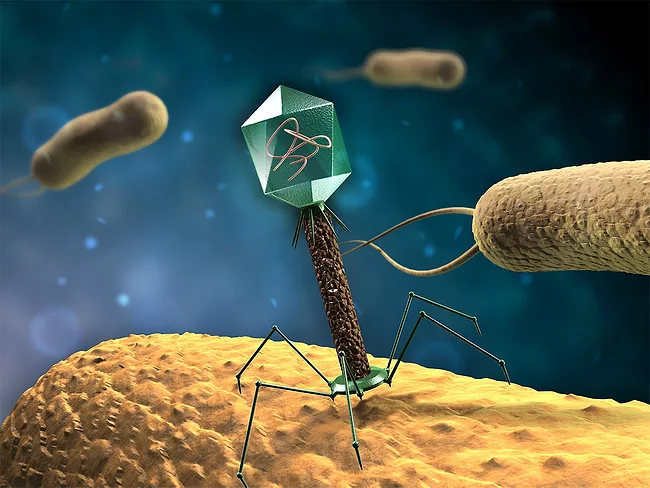
The spread of drug-resistant bacteria is a global health concern and could once again become a leading cause of mortality. The World Health Organization has flagged carbapenem-resistant Acinetobacter baumannii as a top priority pathogen requiring innovative therapies for its management, which has a mortality rate of 25%-60% and caused more than 100,000 deaths worldwide in 2019. Therapy based on the use of bacteriophages (phages) to fight antibiotic-resistant bacteria is one such innovative strategy.
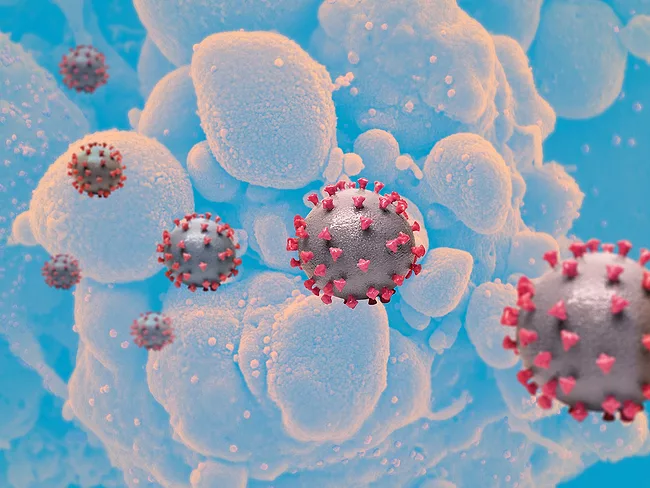
Tohoku University has disclosed 3C-like proteinase (3CLpro; Mpro; nsp5) (SARS-CoV-2; COVID-19 virus) inhibitors reported to be useful for the treatment of viral infections and inflammatory disorders.
In work at Shanghai Curegene Pharmaceutical Co. Ltd., synthesis and optimization of a series of SARS-CoV-2 3CL protease (3CLpro, Mpro) inhibitors led to the identification of compounds [I], [II] and [III] as lead candidates suitable for further evaluation, based on their enzymatic IC50s (14, 12 and 8.6 nM, respectively), cellular EC50s (36, 26 and 52 nM, respectively) and human liver microsome (HLM) stability.
 RSS
RSS