BioWorld. Link to homepage.

Clarivate
  • BioWorld
  • BioWorld Science
  • BioWorld Asia
  • Data Snapshots
    • Biopharma
    • Medical technology
    • Infographics: Dynamic digital data analysis
    • Index insights
    • NME Digest
  • Special reports
    • Infographics: Dynamic digital data analysis
    • Trump administration impacts
    • Med-tech outlook 2026
    • Under threat: mRNA vaccine research
    • BioWorld at 35
    • Biopharma M&A scorecard
    • Bioworld 2025 review
    • BioWorld MedTech 2025 review
    • BioWorld Science 2025 review
    • Women's health
    • China's GLP-1 landscape
    • PFA re-energizes afib market
    • China CAR T
    • Alzheimer's disease
    • Coronavirus
    • More reports can be found here

BioWorld. Link to homepage.

  • Sign In
  • Sign Out
  • My Account
Subscribe
BioWorld - Saturday, March 21, 2026
Home » Topics » Musculoskeletal, BioWorld Science

Musculoskeletal, BioWorld Science
Musculoskeletal, BioWorld Science RSS Feed RSS

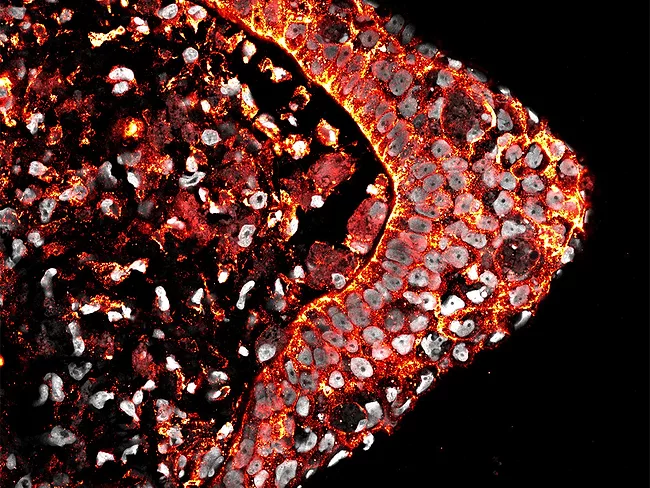
Light micrograph of skeletal muscle.
Neurology/psychiatric

PTBP1 identified as potential target for Duchenne muscular dystrophy

March 19, 2026
No Comments
Researchers from the China Pharmaceutical University and Guangdong Pharmaceutical University (China) have unveiled the crucial role of the alternative splicing of E2A in myogenic progression and demonstrated that PTBP1, by controlling E2A alternative splicing, is a critical regulator of myogenesis.
Read More
Illustration of motor neuron connecting to muscle fiber
Neurology/psychiatric

SFL-0821 shows promise for facioscapulohumeral muscular dystrophy

March 17, 2026
No Comments
Facioscapulohumeral muscular dystrophy (FSHD) is a muscle wasting disease caused by aberrant expression of double homeobox protein 4 (DUX4). When DUX4 is activated in skeletal muscle, it triggers myocyte cell death after several transcriptional changes, thus genetic DUX4 silencing arises as a promising approach for treating FHSD.
Read More
Musculoskeletal

Korea Research Institute of Chemical Technology reports LATS1 and LATS2 inhibitors

March 13, 2026
Korea Research Institute of Chemical Technology has prepared and tested new serine/threonine-protein kinase LATS1 and LATS2 inhibitors reported to be useful for the treatment of sarcopenia, muscular dystrophy, inflammatory myopathy, congenital myopathy, myotonia, myofascial pain syndrome, motor neuron diseases and muscle injury.
Read More
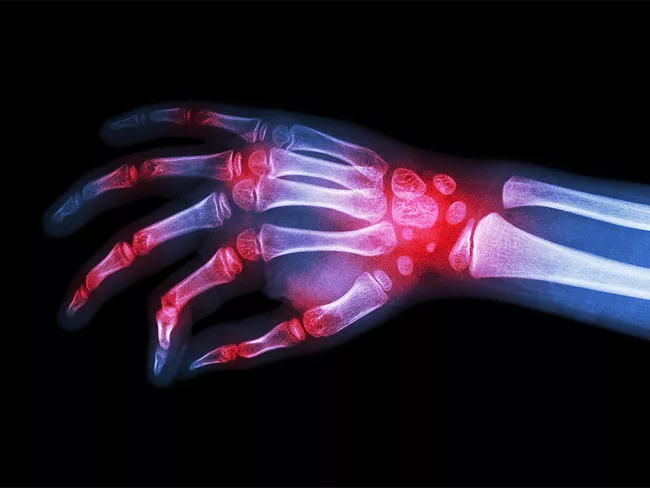
X-ray image of hand and wrist
Immune

T cells store lipids and die in rheumatoid arthritis joints

Feb. 18, 2026
By Mar de Miguel
No Comments
In the inflamed joints of rheumatoid arthritis, CD4+ T lymphocytes accumulate lipid droplets that make them vulnerable and promote their death, thereby amplifying joint inflammation. A study led by scientists at Mayo Clinic and Stanford University suggests that blocking the formation of these lipid droplets or their contents could offer a therapeutic strategy for this condition.
Read More
3D illustration of organoid models in a petri dish
Drug design, drug delivery & technologies

Human organoid mimics cancer-induced cachexia

Feb. 17, 2026
By Mar de Miguel
No Comments
The variety of organoids that can be developed in vitro is enabling major advances. Depending on the type of tissues and the research goals, these small 3D cell-based structures that mimic real tissue offer certain advantages over animal models. Scientists at the University of Padova in Italy have created human neuromuscular organoids to reproduce cancer-induced muscle cachexia, a condition that murine models do not accurately replicate.
Read More
Illustration of muscle anatomy
Musculoskeletal

S100a8 knockdown mitigates symptoms in Marfan syndrome

Feb. 3, 2026
No Comments
Researchers from the University of São Paulo (Brazil) first proposed using eccentric training as a promising intervention to address musculoskeletal impairments associated with Marfan syndrome. Eccentric training is a form of resistance exercise that focuses on muscle lengthening under load and can induce robust skeletal muscle adaptations, including the attenuation of muscle wasting, promotion of myofiber hypertrophy and stimulation of satellite cell activation and proliferation, as previously demonstrated.
Read More
Musculoskeletal

Haisco Pharmaceutical describes new IL-17A production inhibitors

Dec. 19, 2025
No Comments
Haisco Pharmaceutical Group Co. Ltd. has identified interleukin-17A (IL-17A) production inhibitors with reduced toxic and side effects reported to be useful for the treatment of arthritis, multiple sclerosis and psoriasis.
Read More
Musculoskeletal

Alebund Pharmaceuticals discovers new complement factor B inhibitors

Dec. 2, 2025
Alebund Pharmaceuticals (Hong Kong) Ltd. has described complement factor B (CFB) inhibitors reported to be useful for the treatment of glomerular disorders and rheumatoid arthritis.
Read More
Musculoskeletal

Liver-directed base editing of ABCC6 prevents ectopic calcification

Dec. 2, 2025
No Comments
Pseudoxanthoma elasticum (PXE) is an autosomal recessive connective tissue disorder caused by pathogenic variants in ATP-binding cassette subfamily C, member 6 (ABCC6). ABCC6 typically exports ATP, which is then converted by ENPP1 into AMP and pyrophosphate (PPi). Because PPi is a potent inhibitor of calcification, reduced systemic PPi production is a key driver of PXE. University of Pennsylvania investigators and collaborators proposed applying liver-targeted variant correction via genome editing as a single-intervention therapeutic approach for PXE, leading to subsequent restoration of systemic PPi.
Read More
Cartilage regeneration
Musculoskeletal

Cartilage repair study identifies new regeneration mechanism

Nov. 28, 2025
By Anette Breindl
No Comments
Researchers from Stanford University have reported that inhibiting the enzyme 15-hydroxyprostaglandin dehydrogenase (15-PGDH) promoted cartilage regeneration in mouse models of osteoarthritis due to either aging or tissue injury. An oral version of the inhibitor that the team used is in a clinical trial for sarcopenia; it improved muscle mass and strength in preclinical studies. However, the mechanism by which 15-PDGH inhibition works appears to differ in the two conditions.
Read More
Previous 1 2 3 4 5 6 7 8 9 … 573 574 Next

Popular Stories

  • Today's news in brief

    BioWorld
  • Art concept for targeting the brain

    Precision psychiatry beyond, or before, biomarkers

    BioWorld
    There is broad agreement that psychiatric diagnoses in their current form are not reflective of any underlying biology, and that this is one of the things...
  • MRI image brain on black background

    ADPD 2026: Can we prevent dementia? Scientists quantify it

    BioWorld
    Neurodegenerative disease and cognitive decline cannot be explained by a single process. Beta-amyloid plaques, hyperphosphorylated tau, alpha-synuclein, activated...
  • First-in-class POLG activator restores mtDNA across mutations

    BioWorld Science
    Researchers from Pretzel Therapeutics Inc. presented preclinical data of PX-578, a first-in-class POLG activator aimed at restoring mtDNA replication and...
  • News in brief

    BioWorld Asia
    BioWorld Asia briefs for March 17, 2026
  • BioWorld
    • Today's news
    • Analysis and data insight
    • Clinical
    • Data Snapshots
    • Deals and M&A
    • Financings
    • Medical technology
    • Newco news
    • Opinion
    • Regulatory
  • BioWorld Science
    • Today's news
    • Biomarkers
    • Cancer
    • Conferences
    • Endocrine/metabolic
    • Immune
    • Infection
    • Neurology/psychiatric
    • NME Digest
    • Patents
  • BioWorld Asia
    • Today's news
    • Analysis and data insight
    • Australia
    • China
    • Clinical
    • Deals and M&A
    • Financings
    • Newco news
    • Regulatory
    • Science
  • More
    • About
    • Advertise with BioWorld
    • Archives
    • Article reprints and permissions
    • Contact us
    • Cookie policy
    • Copyright notice
    • Data methodology
    • Infographics: Dynamic digital data analysis
    • Index insights
    • Podcasts
    • Privacy policy
    • Share your news with BioWorld
    • Staff
    • Terms of use
    • Topic alerts
Follow Us

Copyright ©2026. All Rights Reserved. Design, CMS, Hosting & Web Development :: ePublishing