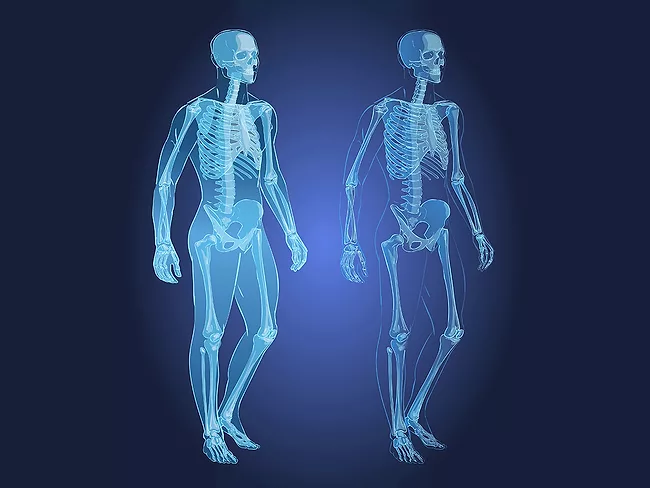
Caregen Co. Ltd. has described peptides reported to be useful for the treatment of cartilage injury, fracture, intervertebral disc herniation, degenerative intervertebral disc disorder, osteoarthritis, osteomalacia and muscular injury.
Hypochondroplasia (HCH) is a skeletal dysplasia similar to achondroplasia (ACH) but with milder features, that affects particularly the ossification of proximal long bones of arms and legs. Around 70% to 80% of cases of HCH are caused by N540K alterations in the FGFR3 gene. At the recent 6th Annual Achondroplasia & Skeletal Dysplasia Research Conference, researchers from Tyra Biosciences Inc. presented preclinical proof-of-concept data of TYRA-300, an oral FGFR3-selective inhibitor in a model of HCH.
Work at Shanghai Meiyue Biotech Development Co. Ltd. has led to the discovery of spiro-heterocycle substituted pyrimidine compounds acting as C-C chemokine receptor type 4 (CCR4) antagonists.
Monte Rosa Therapeutics Inc. has submitted an IND application to the FDA for MRT-6160, a highly selective and orally bioavailable molecular glue degrader directed against VAV1 in development for systemic and neurological autoimmune diseases.
The generation of anti-citrullinated protein autoantibodies (ACPA) are known key drivers in the pathogenesis of rheumatoid arthritis (RA) and are generated by peptidyl arginine deiminases (PADs).
Transmembrane serine protease 6 (TMPRSS6) is a negative regulator of hepcidin, which is the main iron homeostasis-regulating hormone. Regeneron Pharmaceuticals Inc. has recently presented preclinical data for the monoclonal antibody targeting TMPRSS6, REGN-7999, which is being developed for the treatment of iron overload.
Cellular communication network factor 1 (CCN1) is overexpressed in endothelial cells and synovial tissues of patients with rheumatoid arthritis. The effects of inhibiting CCN1 in two experimental models of RA were tested.
The immune cell restricted guanine nucleotide exchange factor (GEF) and scaffolding protein VAV1 plays a key role in mediating T-cell receptor (TCR) and B-cell receptor (BCR) activity and signaling.
Inflammatory bowel disease (IBD) is sometimes associated with spondyloarthritis (SpA) and it highly impacts patients’ quality of life. It is crucial to understand the pro-inflammatory processes that take place during the pathogenesis of IBD-associated SpA.

 RSS
RSS