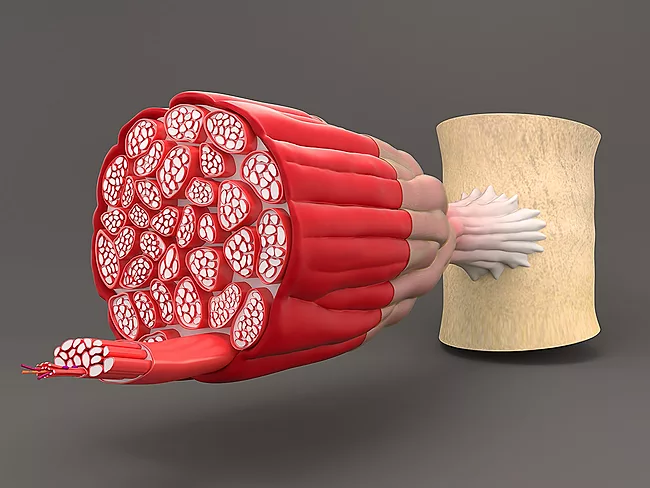
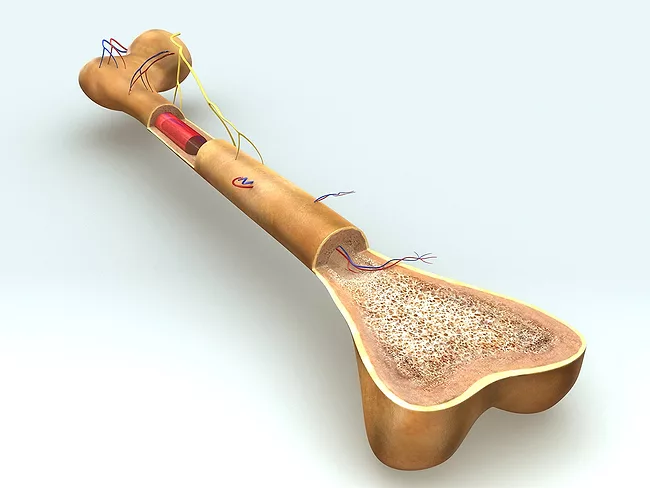
Caregen Co. Ltd. has identified peptides reported to be useful for the treatment of cartilage injury, fracture, intervertebral disc herniation, degenerative intervertebral disc disorder, osteoarthritis, osteomalacia and muscular injury.
Researchers from East China Normal University and Fudan University presented the discovery of a new oral compound, Z-526, being developed as a treatment to alleviate chemotherapy-induced cachectic muscle loss.
Researchers from the Second Affiliated Hospital of Fujian Medical University and Shaoxing People's Hospital presented preclinical data for the signal transducer and activator of transcription 3 (STAT3) inhibitor STX-0119, which has been previously validated in models of cancer.
Researchers from Shandong University and affiliated organizations have presented data from a study that aimed to assess the role of endosome-associated trafficking regulator 1 (ENTR1) in adipogenesis.
Astellas Pharma Inc.’s subsidiaries Astellas Institute for Regenerative Medicine (AIRM) and Universal Cells Inc. have entered into a research collaboration with Osaka University to develop a pluripotent stem cell-derived cartilage organoid cell therapy for the treatment of intervertebral disc degenerative disease.
Rheumatoid arthritis (RA) is an autoimmune disease characterized by bone and cartilage destruction, where immune cells such as macrophages, among others, play a crucial role in RA pathogenesis.
Myogenica Inc., a University of Minnesota startup company, has obtained IND approval from the FDA for Myopaxon, an induced pluripotent stem cell (iPSC)-derived muscle stem cell product to regenerate skeletal muscle. A planned study will evaluate intramuscular injections of Myopaxon in non-ambulatory adult patients with Duchenne muscular dystrophy.
Researchers from the University of California San Francisco (UCSF) have found that CCN3, a hormone secreted by neurons in the brain, is responsible for maintaining bone strength during lactation.

 RSS
RSS