Glucocerebrosidase (GCase), encoded by the gene GBA1, is a ubiquitous lysosomal enzyme that breaks down lipid substrates, glucosylceramide (GL-1) and glucosylsphingosine (Lyso-GL1), into glucose and ceramide. Loss-of-function mutations in GBA1 reduce GCase activity, resulting in lipid accumulation within lysosomes and subsequent lysosomal dysfunction.
Keros Therapeutics Inc. has presented data regarding their activin receptor ligand trap, RKER-065, for the inhibition of the activin/myostatin signaling axis.
Casma Therapeutics Inc. has been awarded approximately $7.6 million in funding across two competitive grant programs from The Michael J. Fox Foundation for Parkinson’s Research (MJFF) to support Casma’s lead program, CSM-101.
Acurastem Inc. has received a two-year research grant from Target ALS to advance therapeutics targeting SYF2, a recently identified regulator of TDP-43 function. TDP-43 dysfunction is a central biological hallmark of amyotrophic lateral sclerosis (ALS).
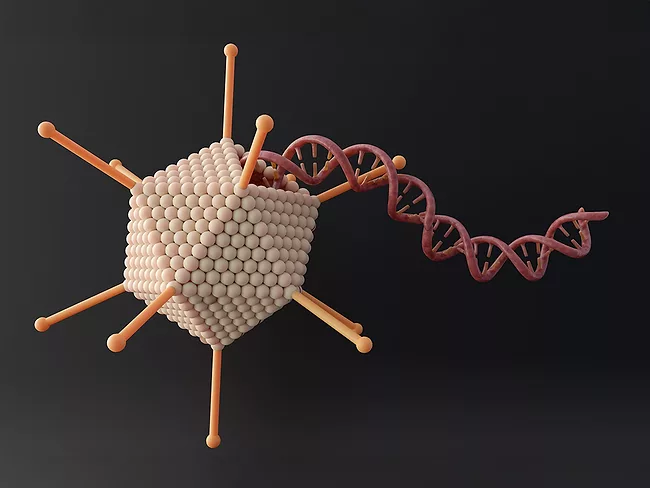
Friedreich’s ataxia (FA) is an inherited neurodegenerative disorder caused by GAA repeat expansions in the FXN gene, which produces a mitochondrial protein vital for iron-sulfur cluster assembly and energy metabolism. Researchers at Solid Biosciences Inc. presented preclinical data supporting the first-in-human trial on SGT-212 gene therapy in FA models.
Work at Shanghai 3D Medicines Laboratory Co. Ltd. has led to the discovery of new sodium channel protein type 10 subunit α (SCN10A; Nav1.8) blockers designed for use in the treatment of pain.
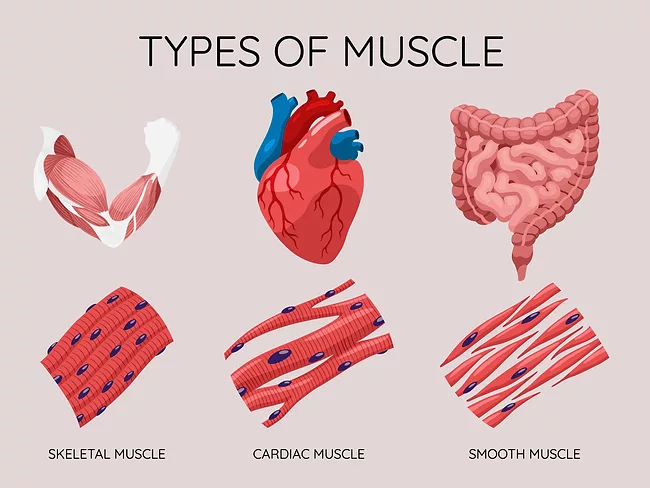
In Duchenne muscular dystrophy (DMD), deficiency of dystrophin leads to cardiomyocyte membrane instability, abnormal calcium influx, and progressive fibrotic remodeling of cardiac tissue. Histone deacetylase 6 (HDAC6) contributes to disease progression by regulating cytoskeletal dynamics and proteostasis in dystrophic muscle cells. Consequently, inhibition of HDAC6 represents a potential therapeutic strategy for addressing both the skeletal and cardiac manifestations of DMD.
The exact genetic and epigenetic cause of the sporadic form of amyotrophic lateral sclerosis (ALS), which affects approximately 90% of patients, are largely unknown. Previous work found that mitochondrial dysfunction and metabolic dysregulation are crucial to ALS pathophysiology.
Similarities among three pediatric brain tumors that arise in different structures of the CNS – pineoblastoma, retinoblastoma and Group 3 medulloblastoma – have been linked to their shared origin during pineal gland development. Scientists at St. Jude Children’s Research Hospital have identified the molecular signatures that drive these tumors from pinealocyte progenitor cells that conserve a common differentiation program, providing a shared therapeutic target for these three cancer types.
Jiangxi Kerui Pharmaceutical Co. Ltd. has patented potassium voltage-gated channel subfamily KQT member 2/3 (KCNQ2/3) activators. They are reported to be useful for the treatment of anxiety disorders, depression, pain, focal seizures and tonic clonic epilepsy.

 RSS
RSS