Regenerative medicine product Stemchymal, an allogeneic adipose-derived mesenchymal stem cell treatment, missed the primary efficacy endpoints in two phase II spinocerebellar ataxia trials conducted in Japan and Korea, but a subpopulation analysis showed efficacy signals in patients with more severe conditions, Reprocell Inc. reported.
With overuse of opioids – the standard of care for many chronic pain cases – becoming something of an epidemic in the U.S., the availability of an alternative, non-opioid analgesic is a big draw. Established in 2021, Adolore Biotherapeutics Inc. is one company that could provide the answer, with its locally and long-acting gene therapies potentially providing a breakthrough that “knocks everybody’s socks off.”
Mixed phase III study results have Bioxcel Therapeutics Inc. moving ahead to complete the clinical trial while withstanding a hammering from investors. BXCL-501 (dexmedetomidine), a sublingual film being developed to treat bipolar disorders- or schizophrenia-associated agitation, produced clinically meaningful efficacy results in part 1 of the pivotal study with half of the approved dose, but the primary efficacy endpoint was not statistically significant at two hours (p=0.077). BXCL-501 separated from placebo at four hours (p=0.049).
The researchers who enabled patients with spinal cord injuries to walk independently after implanting programmable electrodes below their lesions have now taken things one step further, restoring direct communication from the brain to the spinal cord, enabling the brain rather than an external computer to direct leg movements.
“We clearly see an active drug here,” PTC Therapeutics Inc. CEO Matthew Klein said of the 15-lipoxygenase inhibitor vatiquinone for Friedreich’s ataxia (FA), tested in a phase III study called Move-FA that missed the primary endpoint of statistically significant change in modified FA Rating Scale score at 72 weeks. The company will “take one step at a time” decisions about the drug, analyzing the results and then consulting with the U.S. FDA regarding how to proceed, he said. Meanwhile, Wall Street wasn’t happy, and South Plainfield, N.J.-based PTC’s shares (NASDAQ:PTCT) closed May 24 at $46.95, down $11.46, or 19.6%.
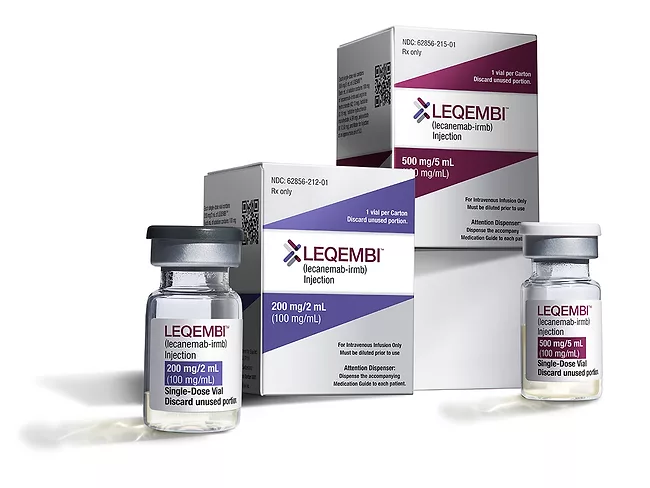
As the clock ticks toward the “full,” or traditional, approval date for Biogen Inc./Eisai Co. Inc.’s Alzheimer’s drug, Leqembi (lecanemab), the U.S. Centers for Medicare & Medicaid Services (CMS) is facing increasing pressure to get the structures in place to ensure Medicare beneficiaries have access to the drug when the approval comes.
Apnimed Inc. is gearing up to start phase III testing with AD-109, a once-daily combination of atomoxetine and aroxybutynin that has the potential to be the first oral therapy to treat obstructive sleep apnea, following positive results from the phase IIb Mariposa trial.
Scribe Therapeutics Inc. is selling exclusive rights to its CRISPR-based technology to Prevail Therapeutics Inc. for a figure that could top $1.6 billion as the firms team up to develop genetic therapies for serious neurological and neuromuscular diseases.
Angelini Pharma SpA and JCR Pharmaceuticals Co. Ltd. signed an exclusive worldwide agreement for the development and commercialization of biologic therapies for epilepsy based on the J-Brain Cargo technology.
Nido Biosciences Inc. emerged from stealth by unveiling $109 million in series A and B equity funding and a clinical-stage program in spinal and bulbar muscular atrophy.
 RSS
RSS