Shares of Marinus Pharmaceuticals Inc. climbed 51.7% to close at $3.20 on Sept. 15 following news that the company's sole clinical asset, ganaxolone, met the primary endpoint of its phase III Marigold study in CDKL5 deficiency disorder, a rare genetic condition that can leave children unable to walk, talk or feed themselves.
A new analysis of biomarkers, superseding confusing results released in May, appears to have re-ignited enthusiasm for the experimental Alzheimer’s disease (AD) candidate, sumifilam, the lead development candidate at Texas-based Cassava Sciences Inc.
Click Therapeutics Inc. and Boehringer Ingelheim GmbH inked a deal valued at more than $500 million to collaborate on the development and commercialization of a prescription-based digital therapeutic for schizophrenia. The mobile application, currently called CT-155, uses cognitive and neurobehavioral techniques to reduce the symptoms of schizophrenia, such as cognitive deficits and impaired social functioning.
Investors clipped shares of Avadel Pharmaceuticals plc recently as anxieties rose over the application by Jazz Pharmaceuticals plc for a patent that relates to a once-nightly oxybate product that could threaten the prospects for Avadel’s FT-218.
A pivotal test of Satsuma Pharmaceuticals Inc.'s dry powder acute migraine candidate, STS-101, found neither of two doses evaluated met the co-primary endpoints, freeing people from pain or their most bothersome symptom two hours post-administration.
Shares of Intra-Cellular Therapies Inc. (NASDAQ:ITCI) climbed 72.8% to $31.86 on Sept. 9 following news that its FDA-approved schizophrenia drug, Caplyta (lumateperone), could also help improve bipolar depression.
In a relatively light news flow for the group last month, the gainers and decliners in the BioWorld Neurological Diseases index canceled themselves out during August, with the result that the price-weighted index closed relatively flat and, despite briefly moving into positive territory in July, its value is down 4% for the year.
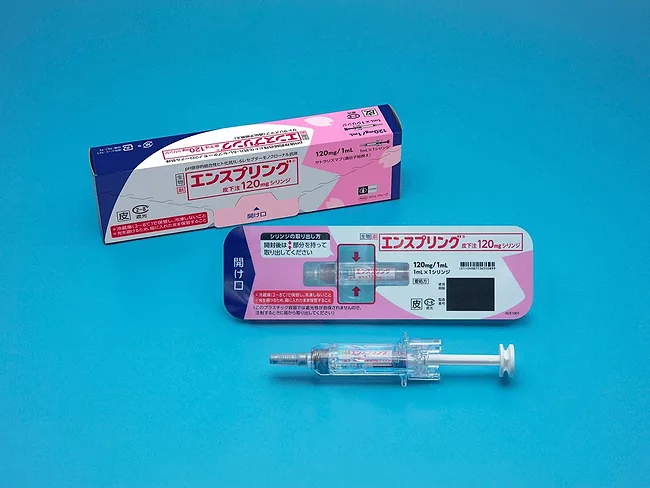
HONG KONG – Tokyo-based Chugai Pharmaceutical Co. Ltd. has launched a subcutaneous injection of Enspryng (satralizumab) in Japan to prevent relapses of neuromyelitis optica spectrum disorder (NMOSD), including neuromyelitis optica (NMO).
 RSS
RSS