Illimis Therapeutics Inc. raised ₩58 billion (US$42 million) in a series B financing round. The funds will support development of ILM-01, its lead bispecific fusion protein candidate, into preclinical development for Alzheimer’s disease by the second half of 2025, along with the company’s neuroimmunology portfolio.
The switch will be flicked today to make the world’s largest dementia-related proteomics dataset freely available to researchers, at the same time as members of the consortium which compiled it publish the proteomics signatures of major neurodegenerative diseases that they uncovered in a first trawl of the data.
Australia’s largest health insurance company, Medibank Private Ltd., is the first to reimburse for psychedelic treatment in Australia, funding Emyria Ltd.’s MDMA (3,4-methylenedioxy-methamphetamine) program for post-traumatic stress disorder offered through the Perth Clinic.
Avata Biosciences Holdings Ltd. and Oceanus Bio Inc. have inked a drug discovery and development deal worth up to $95 million for two of Avata’s cannabidiol compounds.
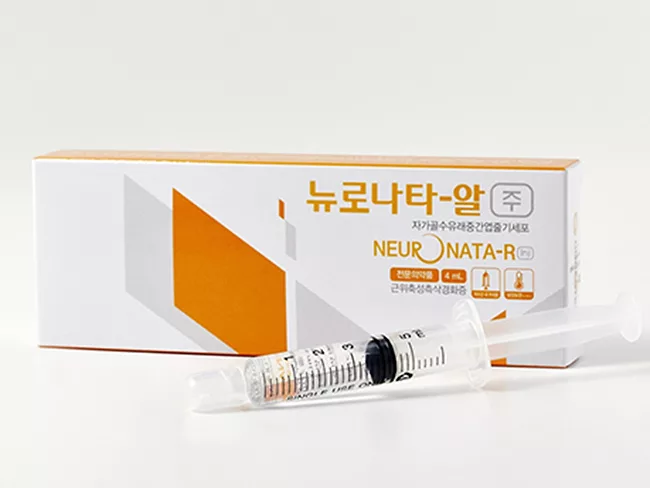
Corestemchemon Inc. is planning to file a BLA for Neuronata-R (lenzumestrocel) by the end of 2025 to gain accelerated approval from the U.S. FDA, company officials confirmed to BioWorld during a June 2 interview. Neuronata-R is an autologous bone marrow-derived mesenchymal stem cell therapy that first gained approval in South Korea in 2014 to delay the progression of amyotrophic lateral sclerosis (ALS), a progressive neurodegenerative disorder also known as Lou Gehrig’s disease.
As it advances its nonopioid analgesic ATX-101 breakthrough therapy through a phase IIb registration trial, Allay Therapeutics secured $57.5 million in a series D round, which included an investment from the company’s Japanese partner.
Aribio Co. Ltd. signed a $600 million license deal with Acino International AG, an Arcera Life Sciences subsidiary, granting the latter commercial rights to its oral Alzheimer’s disease therapy, AR-1001, in select countries including the Middle East.
Annji Pharmaceutical Co. Ltd.’s rosolutamide (AJ-201, JM-17) achieved positive results in a phase I/II trial in adults with spinal and bulbar muscular atrophy, also known as Kennedy’s disease.
Following a complete response letter last year, Satsuma Pharmaceuticals Inc. received U.S. FDA approval of dihydroergotamine nasal powder to treat acute migraine with or without aura. Branded Atzumi, it is the first product that uses Satsuma’s SMART (Simple MucoAdhesive Release Technology) platform that combines an advanced powder and device technology aimed at making delivery more simple.
Genes associated with lysosomal dysfunction increase the risk of Parkinson’s disease (PD), according to a study led by scientists at Northwestern University. The discovery also explains why some people who carry a pathogenic variant of the GBA1 gene develop PD or dementia with Lewy bodies (DLB) and others do not. The key lies in the Commander complex, involved in the transport of proteins to this organelle. This discovery raises the need for combinatorial therapies that act on more than one pathway for this type of neurodegenerative disorder.
 RSS
RSS