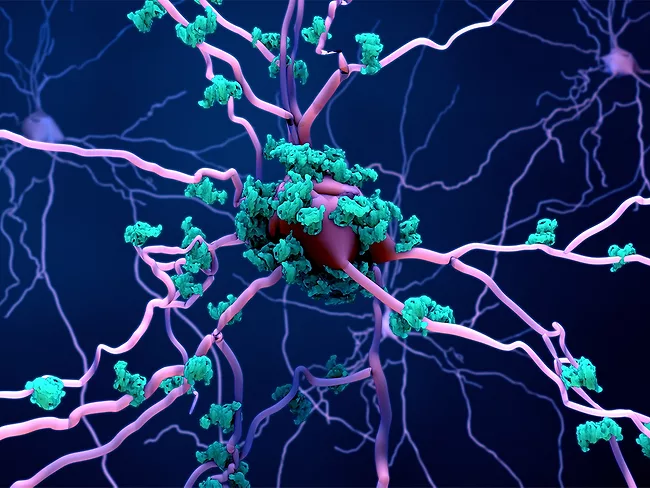
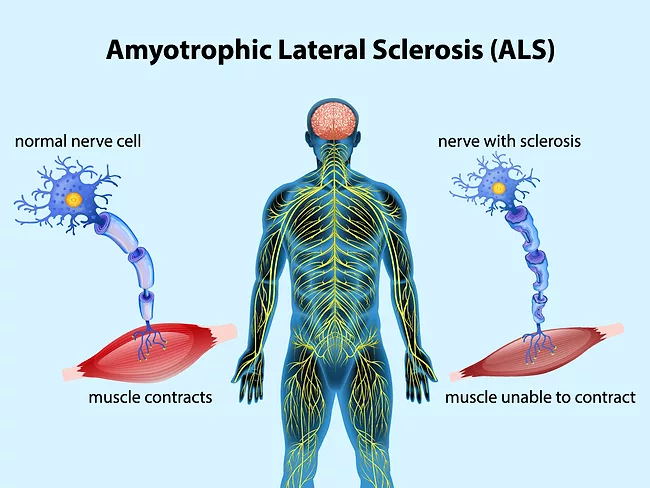
Dewpoint Therapeutics Inc. and Mitsubishi Tanabe Pharma Corp. have entered a research collaboration worth up to $480 million to advance Dewpoint’s novel TDP-43 small-molecule condensate modulator for amyotrophic lateral sclerosis. Under terms of the deal, Boston-based Dewpoint will receive an undisclosed up-front payment and is eligible to receive R&D-based milestone payments up to $480 million. Upon reaching those milestones, Osaka, Japan-based MTPC will have an exclusive option to license the program and assume responsibility for global clinical development and commercialization. Dewpoint will also receive tiered royalties on net sales.
Voyager Therapeutics Inc.’s recent selection of a lead development candidate, VY-1706, for its tau silencing gene therapy program in Alzheimer’s disease brought renewed attention to the target, which continues to intrigue a substantial lineup of developers. Bellwether data rolled out this fall from UCB SA and Roche AG at the Clinical Trials in Alzheimer’s Disease meeting in Madrid.
New research confirmed long-term efficacy and safety of a novel minimally invasive procedure with Insightec Inc.’s Exablate transcanial magnetic resonance-guided focused ultrasound system to alleviate symptoms of severe obsessive-compulsive disorder.
A ketone body, a molecule derived from the metabolism of acids to obtain energy when glucose is not available, could become an effective ally in treating Alzheimer’s or preventing the effects of aging on the brain. A group of scientists at the Buck Institute for Research on Aging have studied the role of β-hydroxybutyrate as a signaling metabolite of misfolded proteins by interacting with them and altering their solubility, a mechanism that allows their elimination, as observed in preclinical models.
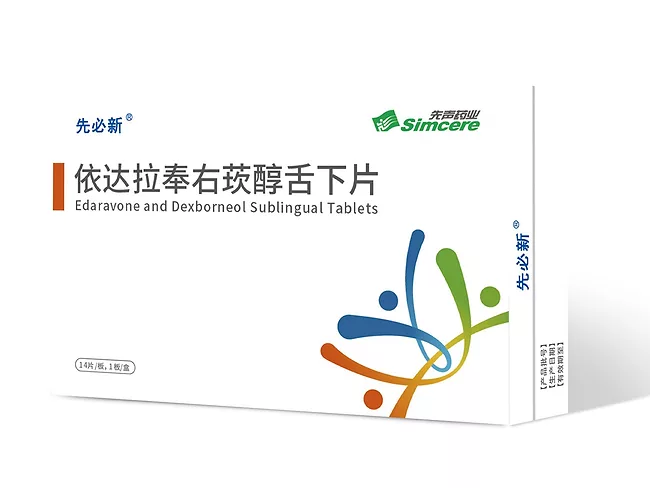
China’s National Medical Products Administration (NMPA) granted new approvals to several Chinese biopharmaceuticals this week, including expanding indications of four different cancer drugs and clearing one sublingual tablet for stroke.
Dewpoint Therapeutics Inc. has entered into a strategic research collaboration with Mitsubishi Tanabe Pharma Corp. to advance Dewpoint’s novel small-molecule condensate modulator targeting TDP-43 for amyotrophic lateral sclerosis (ALS).
Arrakis Therapeutics Inc. has presented data on its RNA-targeted small-molecule (rSM) drug program for the treatment of myotonic dystrophy type 1 (DM1). The company’s proprietary RNA‐specific chemical, biological and structural methods and RNA-directed medicinal chemistry enabled structure-based small-molecule drug design targeting the trinucleotide (CUG) repeat expansion in the mRNA of DMPK (myotonic dystrophy protein kinase) that drives DM1 pathology.
A ketone body, a molecule derived from the metabolism of acids to obtain energy when glucose is not available, could become an effective ally in treating Alzheimer’s or preventing the effects of aging on the brain. A group of scientists at the Buck Institute for Research on Aging have studied the role of β-hydroxybutyrate (βHB) as a signaling metabolite of misfolded proteins by interacting with them and altering their solubility, a mechanism that allows their elimination, as observed in preclinical models.
Shares of Relmada Therapeutics Inc. (NASDAQ:RLMD) plummeted 77% to close at 63 cents Dec. 4 after a pre-planned interim analysis prompted the independent data monitoring committee to conclude the phase III Reliance II study testing REL-1017 in major depressive disorder is likely to fail, leaving the future of the NMDA receptor channel blocker in doubt while the company looks ahead to an earlier-stage psilocybin-based program targeting metabolic disease.
 RSS
RSS