Bionomics is progressing BNC-210 to phase III trials in post-traumatic stress disorder (PTSD) following positive feedback from the U.S. FDA. Final data from the phase II Attune study showed that BNC-210 improved PTSD symptom severity at week 12 with efficacy observed as early as week four.
Cervomed Inc. executives said they intend to scrutinize low plasma drug concentrations that appeared to spoil results from the phase IIb Rewind-LB trial testing neflamapimod in patients with dementia with Lewy bodies.
The U.S. FDA has greenlit the first steps of Uniqure NV’s accelerated approval pathway for gene therapy AMT-130 to treat Huntington’s disease. The agency said data from the ongoing phase I/II studies compared to natural history external control are muscular enough to get the process going without having to dive into additional studies.
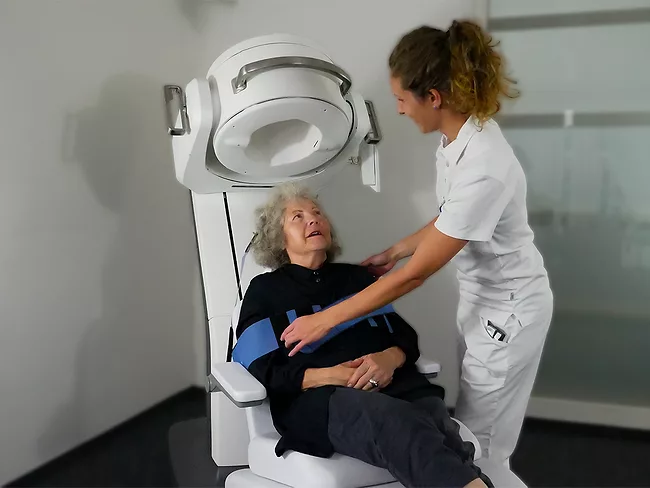
Positrigo AG is raising $10 million for production and commercialization of its Neurolf brain positron emission tomography system in the U.S. The system hepls to diagnose Alzheimer’s disease. With drugs such as Leqembi and Kisunla gaining U.S. FDA approval to treat the devastating neurological condition, the company is seeing increasing demand for its system, Neurolf CEO and co-founder Jannis Fischer, told BioWorld.
Dewpoint Therapeutics Inc. and Mitsubishi Tanabe Pharma Corp. have entered a research collaboration worth up to $480 million to advance Dewpoint’s novel TDP-43 small-molecule condensate modulator for amyotrophic lateral sclerosis. Under terms of the deal, Boston-based Dewpoint will receive an undisclosed up-front payment and is eligible to receive R&D-based milestone payments up to $480 million. Upon reaching those milestones, Osaka, Japan-based MTPC will have an exclusive option to license the program and assume responsibility for global clinical development and commercialization. Dewpoint will also receive tiered royalties on net sales.
Researchers from Bright Minds Biosciences Inc. presented data on the mechanism of action of BMB-101, a novel scaffold 5-HT2C Gq-protein biased designed to treat drug-resistant neurological disorders.
In a recently published study, researchers from Taipei Medical University and collaborators have reported on their efforts to discover new DYRK1A-specific inhibitors.
Dewpoint Therapeutics Inc. and Mitsubishi Tanabe Pharma Corp. have entered a research collaboration worth up to $480 million to advance Dewpoint’s novel TDP-43 small-molecule condensate modulator for amyotrophic lateral sclerosis. Under terms of the deal, Boston-based Dewpoint will receive an undisclosed up-front payment and is eligible to receive R&D-based milestone payments up to $480 million. Upon reaching those milestones, Osaka, Japan-based MTPC will have an exclusive option to license the program and assume responsibility for global clinical development and commercialization. Dewpoint will also receive tiered royalties on net sales.

 RSS
RSS