Pramana Pharmaceuticals Inc. has been awarded $1 million from the Alzheimer’s Association to support IND-enabling development of PRM-914, the company’s once-daily oral small-molecule therapeutic for Alzheimer’s disease. The funding will support final toxicology and translational studies required to advance PRM-914 into first-in-human evaluation.
Sarepta Therapeutics Inc. has filed a clinical trial application (CTA) in New Zealand seeking clearance to initiate a first-in-human trial of SRP-1005 (formerly ARO-HTT). Pending approval, the INSIGHTT trial is anticipated to begin in the second quarter of this year.
Lysoway Therapeutics Inc. has completed IND-enabling studies for its lead TRPML1 agonist, LW-1017. A first-in-human study is planned in Australia, with dosing set to commence in May.
Loqus23 Therapeutics Ltd. has nominated LQT-23, a first-in-class allosteric oral small-molecule inhibitor of MSH3/MutSβ, as a development candidate for Huntington’s disease.
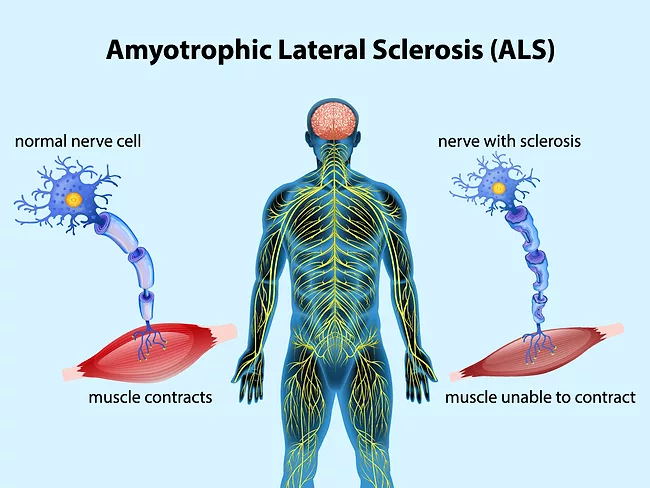
Aperture Therapeutics Inc. has advanced its matrix metalloproteinase-9 (MMP-9) antisense oligonucleotide (ASO) program, APRTX-003, for the treatment of amyotrophic lateral sclerosis (ALS). This first-in-class RNA-targeting approach program targets chronic neuroinflammation and neurodegeneration.
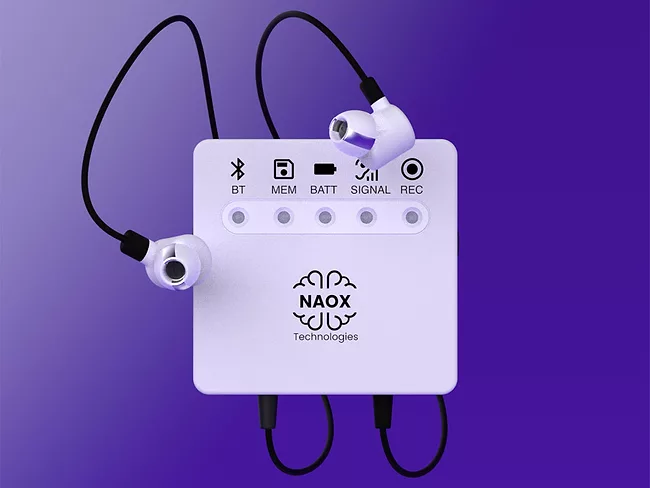
Naox Technologies SAS secured U.S. FDA 510(k) clearance for Naox Link, its in-ear electroencephalography (EEG) device for clinical use both at home and in health care settings. Naox Link is a pair of earbuds the company hopes will transform how the brain activity is monitored, helping diagnose and track a number of conditions affecting the brain.
Nia Therapeutics Inc. reported data from an in vivo study of its Smart Neurostimulation System, an AI-based brain-computer interface (BCI), which demonstrated its ability to perform chronic sensing, neural-state decoding and programmable stimulation.
Researchers at Shanghai Institute of Materia Medica of the Chinese Academy of Sciences, Suzhou Vigonvita Life Sciences Co. Ltd. and Vigonvita Shanghai Co. Ltd. have described NMDA and serotonin receptor antagonists reported to be useful for the treatment of neurological disorders.
 RSS
RSS