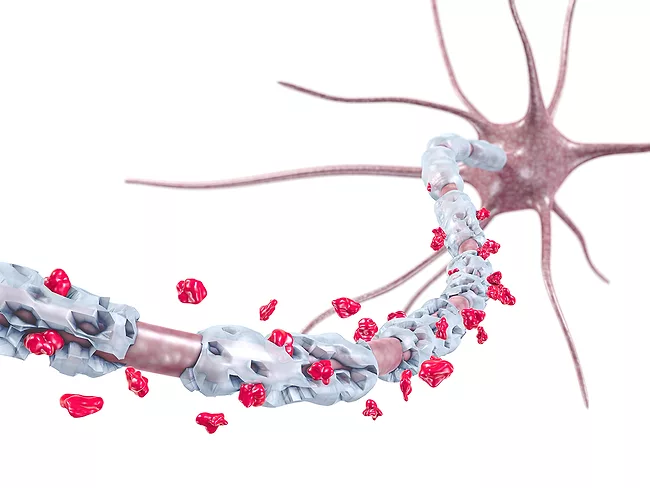
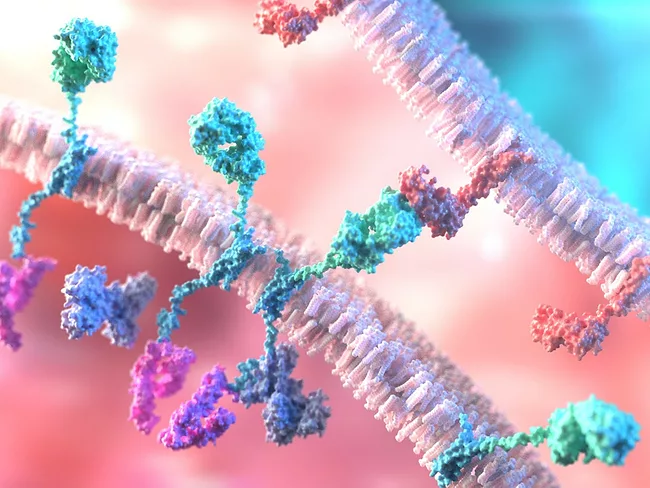
In multiple sclerosis (MS), an alteration of neuronal metabolism caused by dysfunction of its proteasome, the cellular machinery responsible for recycling proteins, contributes to neurodegeneration in this inflammatory disease. This finding could be explored for the development of drugs that protect neurons from damage in MS and other neurodegenerative disorders.
Australia’s largest health insurance company, Medibank Private Ltd., is the first to reimburse for psychedelic treatment in Australia, funding Emyria Ltd.’s MDMA (3,4-methylenedioxy-methamphetamine) program for post-traumatic stress disorder offered through the Perth Clinic.
At the 11th Congress of the European Academy of Neurology, which was held in Helsinki June 21 to June 24, researchers presented new data on using CAR T cells in autoimmune neurological conditions.
At the 11th Congress of the European Academy of Neurology, which was held in Helsinki June 21 to June 24, researchers presented new data on using CAR T cells in autoimmune neurological conditions.
Viva Star Biosciences (Suzhou) Co Ltd. and Viva Star Biosciences (US) Inc. have patented new NLRP3 inflammasome inhibitors reported to be useful for the treatment of neurodegeneration, metabolic diseases, inflammatory disorders, cancer and genetic disorders.
Cure Rare Disease has successfully completed a pre-IND meeting with the FDA regarding its investigational gene therapy program for limb-girdle muscular dystrophy type 2I/R9 (LGMDR9).
Avata Biosciences Holdings Ltd. and Oceanus Bio Inc. have inked a drug discovery and development deal worth up to $95 million for two of Avata’s cannabidiol compounds.
At the 11th Congress European Academy of Neurology, which was held in Helsinki June 21 to June 24, researchers presented new data on using CAR T cells in autoimmune neurological conditions.
Hitting the primary endpoint on Compass Pathways plc’s Comp005 study of synthetic psilocybin, which the company billed as the first classic psychedelic to report phase III efficacy data, produced only a shrug from investors.
 RSS
RSS