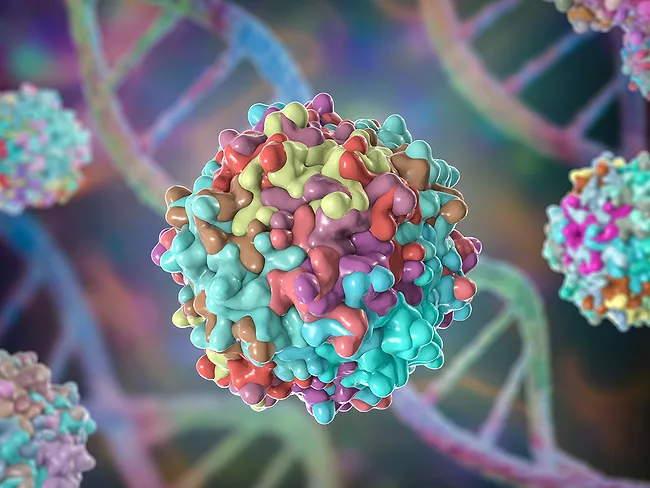
Under a new licensing deal announced July 8, JCR Pharmaceuticals Co. Ltd. granted Alexion Pharmaceuticals Inc. rights to its adeno-associated virus (AAV) capsids for use in up to five of Alexion’s genomic medicines programs.
F. Hoffmann-La Roche Ltd. and Hoffmann-La Roche Inc. have divulged bifunctional epoxide hydrolase 2 (EPHX2; sEH) inhibitors reported to be useful for the treatment of pain, diabetic retinopathy and neurodegeneration. An exemplified compound (Ex 23 pg 78, claim 18) inhibited human sEH activity (IC50=0.5 nM) using Rapidfire mass spectrometry (RFMS) assays (WO 2025125135).
Idorsia Pharmaceuticals Ltd. has synthesized aryl sulfone and sulfanone derivatives acting as orexin OX2 receptor agonists reported to be useful for the treatment of eating disorders, fatigue, Kleine-Levin syndrome, narcolepsy, obesity, pain, and psychiatric and inflammatory disorders, among others.
Neuroinflammation is a common hallmark in several neurodegenerative disorders, including Alzheimer’s and Parkinson’s diseases, among others, where TREM2 (triggering receptor expressed on myeloid cells 2) is a crucial member involved in this biological process and is mainly expressed in microglial cells, being thus an attractive target for diagnostic imaging.
Sensorium Therapeutics Inc. has reported that the U.S. FDA has cleared the IND application for SNTX-2643 (SENS-01), its lead anxiety program. First-in-human dosing begins in Q3 2025.
Insightec Ltd. received U.S. FDA approval for use of its Exablate Neuro device to address severe motor symptoms in patients with Parkinson’s disease, offering a new option for patients who have not found adequate relief from medications. Exablate Neuro uses focused ultrasound to create lesions in the brain without requiring an incision or implant.
Acurex Biosciences Corp. has divulged fused quinone compounds acting as ferroptosis inhibitors reported to be useful for the treatment of mitochondrial disease.
Design Therapeutics Inc. has described transcription modulators reported to be useful for the treatment of myotonic dystrophy type 1 (DM1) and Fuchs’ dystrophy.
 RSS
RSS