For the next three years, the government of Shanghai will hand out R&D subsidies up to ¥100 million ($15.6 million) per year to each biopharma company in the municipality to support innovative medicines. Med-tech players can also each receive up to ¥15 million a year for developing innovative devices.
With the intense focus on developing COVID-19 diagnostics, sequencing tools, vaccines and treatments, the pandemic is having an outsized impact on the global development of drugs and devices to treat other diseases. Recent data show that more than 1,000 clinical trials worldwide remain disrupted by COVID-19, including 60% of the non-COVID-19 trials being conducted in the U.S., as funding and other resources continue to be directed toward ending the pandemic.
PERTH, Australia – Australia’s budget theme for the 2021 to 2022 fiscal year is rebuilding the economy following COVID-19, and med-tech and biotech leaders were praising some of the new measures.
HONG KONG – Beijing Stonewise Technology Co. Ltd., a med-tech firm that uses artificial intelligence (AI) to aid in the discovery of small molecule drugs, closed series B and B+ financing rounds that added $100 million to its pocket. The company intends to use the proceeds to upgrade its AI-enabled drug discovery platform.
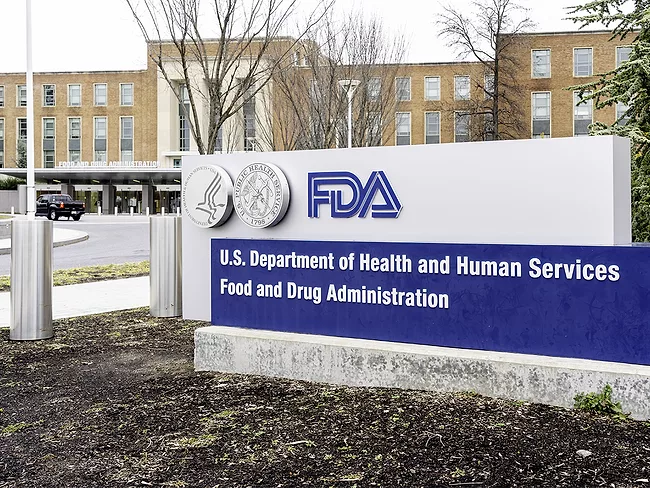
The FDA lost another hearing in the lawsuit filed against the agency by Genus Medical Technologies LLC in a case that yet again resurrects the product classification question. Both courts that heard the lawsuit asserted that the FDA does not enjoy unfettered discretion to classify a device as a drug merely as part of its authority under the Administrative Procedures Act (APA).
HONG KONG – Beijing Stonewise Technology Co. Ltd., a med-tech firm that uses artificial intelligence (AI) to aid in the discovery of small molecule drugs, closed series B and B+ financing rounds that added $100 million to its pocket. The company intends to use the proceeds to upgrade its AI-enabled drug discovery platform.
PERTH, Australia – In the aftermath of the COVID-19 pandemic, Australia is shoring up its national supply of medical products and making it a national priority to drive economic recovery and ensure future resilience. The objective of the government’s modern manufacturing strategy is to build scale and capture income in high-value areas of manufacturing where Australia either has established competitive strength or emerging priorities.
Although U.S. President Joe Biden has yet to nominate his choice to lead the FDA, his nomination of Xavier Becerra as the next Health and Human Services (HHS) secretary – and Becerra’s Senate confirmation March 18 – could signal a shift to a more conservative approach at the FDA when it comes to approving new drugs and devices.
A data-blocking rule set to go into effect in the U.S. April 5 could make it easier for sponsors to get the real-world data they need to demonstrate postmarket evidence of the safety and efficacy of their drugs and devices and to develop future products.
The voluminous American Rescue Plan – the second largest stimulus package in U.S. history – has something for everyone. Almost. The $1.9 trillion package that passed the Senate over the weekend and is expected to be passed by the House March 9 failed to extend the current moratorium, set to expire April 1, on the 2% Medicare sequestration.
 RSS
RSS