Ushering in a new class of antibiotics, the U.S. FDA approved GSK plc’s gepotidacin for use in uncomplicated urinary tract infections. Branded Blujepa, the oral triazaacenaphthylene bacterial topoisomerase inhibitor is indicated for treating female adults and adolescents, 12 and older.
Zai Lab and Pfizer Inc. are teaming up in China to fight the deadly carbapenem-resistant Acinetobacter baumannii (CRAB) infection with novel antibacterial drug Xacduro (sulbactam-durlobactam). Through the collaboration, Zai Lab will leverage Pfizer’s commercial infrastructure in the anti-infective space to widen access to Xacduro in mainland China. Terms of the deal were not released.
Zai Lab and Pfizer Inc. are teaming up in China to fight the deadly carbapenem-resistant Acinetobacter baumannii (CRAB) infection with novel antibacterial drug Xacduro (sulbactam-durlobactam). Through the collaboration, Zai Lab will leverage Pfizer’s commercial infrastructure in the anti-infective space to widen access to Xacduro in mainland China. Terms of the deal were not released.
With the U.S. FDA’s approval of Orlynvah (sulopenem etzadroxil and probenecid) for uncomplicated urinary tract infections, Iterum Therapeutics plc can move on from regulatory delays and prepare to launch only the second FDA-approved treatment for the indication in the past 20 years.
Insider trading isn’t always about profits. Sometimes it’s avoiding losses. That’s the basis of the U.S. SEC’s complaint against Matthew Groom, an information technology consultant to Spero Therapeutics Inc. Groom agreed Sept. 15 to a $28,000 settlement to resolve the complaint stemming from a trade of Spero shares that enabled him to avoid $13,000 in losses when news of the company’s downsizing and issues with its lead product became public two years ago.
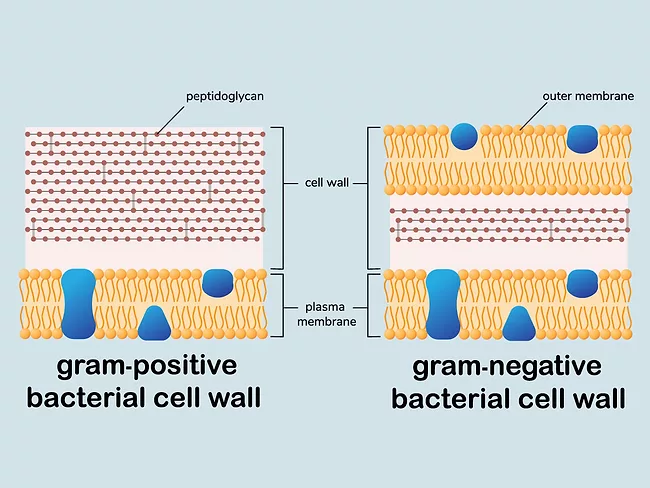
A team led by Paul Hergenrother at the University of Illinois, Urbana Champaign (UIUC) has developed a novel antibiotic named lolamicin that was specific for gram-negative bacteria but did not harm the gut microbiome composition in mouse models.
The U.K.’s world-first subscription model for antimicrobials is to be expanded following a successful pilot scheme in which companies are being paid a fixed annual fee for their drugs, regardless of the volume dispensed.
A team from the University of Southern Denmark has reported the discovery of a novel triaromatic pleuromutilin antibiotic candidate for the treatment of gram-positive bacterial infections. Hit evaluation and optimization of previously reported drug-like pleuromutilin conjugates with broad antibacterial activity led to the identification of compound [I] as the most potent and easily synthesizable antibiotic lead.
In a long and winding regulatory road that began with two complete response letters 15 years ago, Allschwil, Switzerland-based Basilea Pharmaceutica Ltd. finally gained U.S. FDA approval of its intravenous cephalosporin antibiotic, Zevtera (ceftobiprole medocaril sodium), to treat Staphylococcus aureus bacteremia, acute bacterial skin and skin structure infections (ABSSSI) and community-acquired bacterial pneumonia.
The EMA’s Committee for Medicinal Products for Human Use (CHMP) adopted a positive opinion recommending approval of Pfizer Inc.’s Emblaveo (aztreonam-avibactam), an antibiotic combination that would offer a new option to patients with serious bacterial infections caused by multidrug-resistant gram-negative bacteria.

 RSS
RSS