Antibody-drug conjugate (ADC) specialist Ona Therapeutics SL has closed an oversubscribed series B at $86.6 million, as clinical development of the lead program ONA-255 in advanced treatment-resistant breast cancer gathers steam.
Innovent Biologics Co. Ltd.’s Claudin18.2-targeted antibody-drug conjugate (ADC), arcotatug tavatecan (IBI-343, TAK-921), met the primary endpoint in the international multicenter phase III G-Hope-001 trial in advanced gastric cancer, according to interim results.
ADC Therapeutics SA blamed patients’ advanced age on the death imbalance in the phase III Lotis-5 confirmatory trial testing Zynlonta (loncastuximab tesirine-lpyl) in combination with rituximab to treat relapsed or refractory diffuse large B-cell lymphoma (r/r DLBCL). Whatever the reason, Wall Street wasn’t pleased and shares (NYSE:ADCT) closed June 4 at $1.32, down 57%, or $1.77.
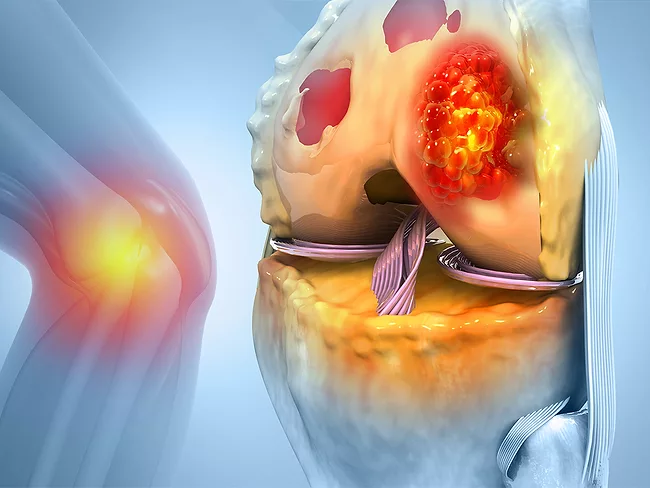
Sotio Biotech AS’s SOT-106 has been granted orphan drug designation by the FDA for the treatment of osteosarcoma. SOT-106 is a next-generation antibody-drug conjugate targeting leucine-rich repeat-containing 15 (LRRC15), a clinically validated target broadly expressed across sarcoma subtypes and in tumor-associated stroma.
Pfizer Inc. is paying Innovent Biologics Co. Ltd. $650 million up front and up to $9.85 billion in milestones, plus royalties, to collaborate across 12 early stage and de novo antibody-drug conjugates (ADCs) and multispecific antibodies for oncology.
In 2025, China’s outbound life sciences and biopharma deals reached nearly $100 billion, about 12 times the level seen in 2021, underscoring how quickly global appetite for Chinese assets has accelerated, according to a recent report by L.E.K. Consulting.
Pfizer Inc. is paying Innovent Biologics Co. Ltd. $650 million up front and up to $9.85 billion in milestones, plus royalties, to collaborate across 12 early stage and de novo antibody-drug conjugates (ADCs) and multispecific antibodies for oncology.
Zhize Tongkang (Guangzhou) Biotechnology Co. Ltd. has divulged new antibody-drug conjugates (ADCs) comprising monoclonal antibodies targeting claudin 6 (CLDN6) linked to a camptothecin derivative potentially useful for the treatment of cancer and fibrosis.
Multiple updates on TROP2-directed antibody-drug conjugates (ADCs) for lung and breast cancers highlight both progress made and opportunities for improvement for the targeted class of cancer therapeutics.
Multiple updates on TROP2-directed antibody-drug conjugates (ADCs) for lung and breast cancers highlight both progress made and opportunities for improvement for the targeted class of cancer therapeutics.
 RSS
RSS