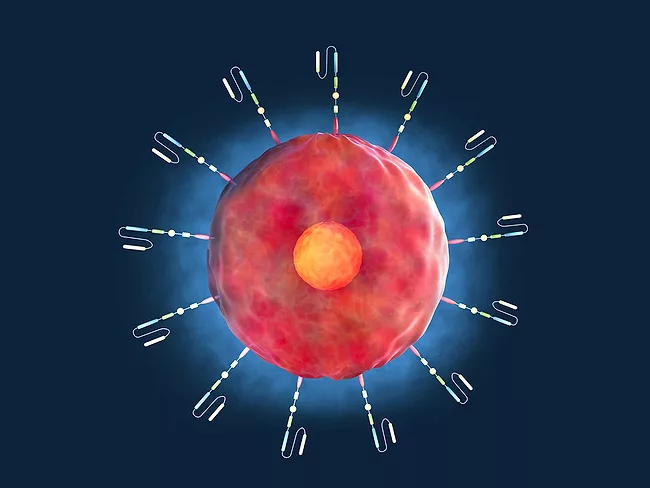
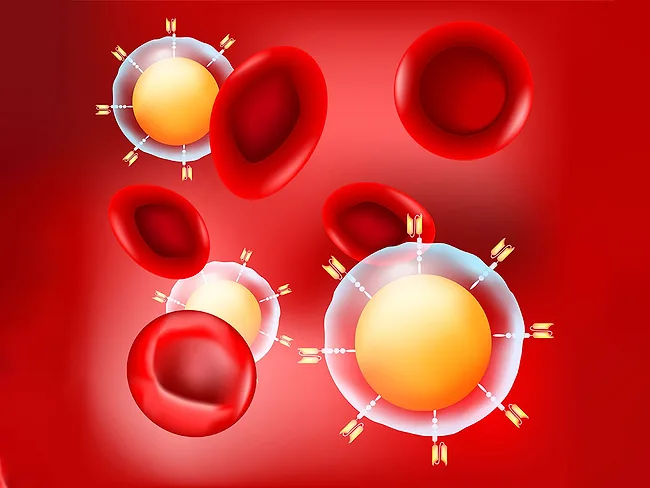
The field of cell and gene therapy is moving toward a new phase of scalability and clinical durability, with in vivo chimeric antigen receptor (CAR) T-cell therapeutics emerging as the dark horse in what speakers at BIO Asia-Taiwan 2026 described as CAR T’s second revolution.
The field of cell and gene therapy is moving toward a new phase of scalability and clinical durability, with in vivo chimeric antigen receptor (CAR) T-cell therapeutics emerging as the dark horse in what speakers at BIO Asia-Taiwan 2026 described as CAR T’s second revolution.
The field of cell and gene therapy is moving toward a new phase of scalability and clinical durability, with in vivo chimeric antigen receptor (CAR) T-cell therapeutics emerging as the dark horse in what speakers at BIO Asia-Taiwan 2026 described as CAR T’s second revolution.
With more and more approved products, cell and gene therapies (CGTs) are moving from the initial stronghold in academic medical centers, and these complex biologics are now available across a wider network of treatment centers.
China’s National Medical Products Administration approved Carsgen Therapeutics Holdings Ltd.’s NDA for satricabtagene autoleucel (satri-cel, CT-041), marking the first global approval of a CAR T therapy for solid tumors. The autologous Claudin18.2-targeted CAR T was approved for patients with Claudin18.2-positive, HER2-negative advanced gastric/gastroesophageal junction adenocarcinoma who have failed at least two prior lines of therapy.
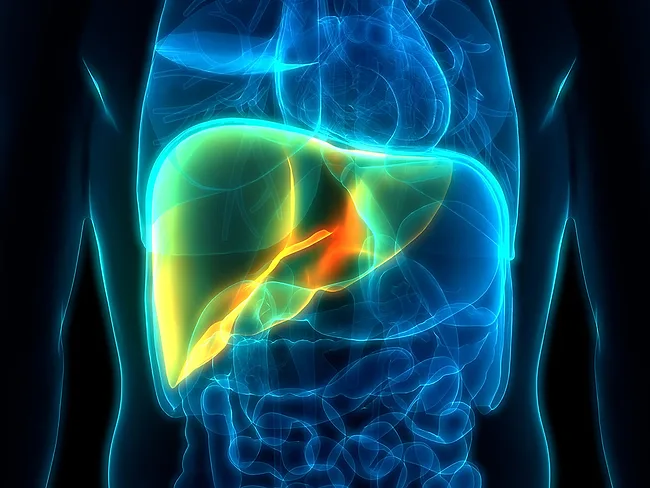
Oricell Therapeutics Holdings Ltd.’s glypican-3 (GPC3)-targeted autologous CAR T therapy, Ori-C101, is heading into a confirmatory registration phase II trial in patients with GPC3-positive advanced hepatocellular carcinoma, positioning it as the first GPC3-directed immune cell therapy – and the first CAR T therapy for liver cancer – to reach that stage of development.
Treatment with first-generation CAR T cells regularly sent patients to the intensive care unit. Now, investigators are envisioning a future where CAR T treatment could occur on an outpatient basis.
Treatment with first-generation CAR T cells regularly sent patients to the intensive care unit. Now, investigators are envisioning a future where CAR T treatment could occur on an outpatient basis. At Sunday’s late-breaking oral session of the 2026 Annual Congress of the European Hematology Association (EHA2026), Lei Fan told his audience that the first-in-human data “support further development of LB-2501 as a potential first-in-class, off-the-shelf, single infusion, no lymphodepletion, outpatient use CAR T therapy.” Fan is a professor of hematology at the First Affiliated Hospital of Nanjing Medical University.
Oricell Therapeutics Holdings Ltd.’s glypican-3 (GPC3)-targeted autologous CAR T therapy, Ori-C101, is heading into a confirmatory registration phase II trial in patients with GPC3-positive advanced hepatocellular carcinoma, positioning it as the first GPC3-directed immune cell therapy – and the first CAR T therapy for liver cancer – to reach that stage of development.
South Korea’s Ministry of Food and Drug Safety (MFDS) approved Curocell Inc.’s Rimqarto (anbalcabtagene-autoleucel; anbal-cel) April 29 as the first homegrown CAR T-cell therapy to treat patients with advanced diffuse large B-cell lymphomas.
 RSS
RSS