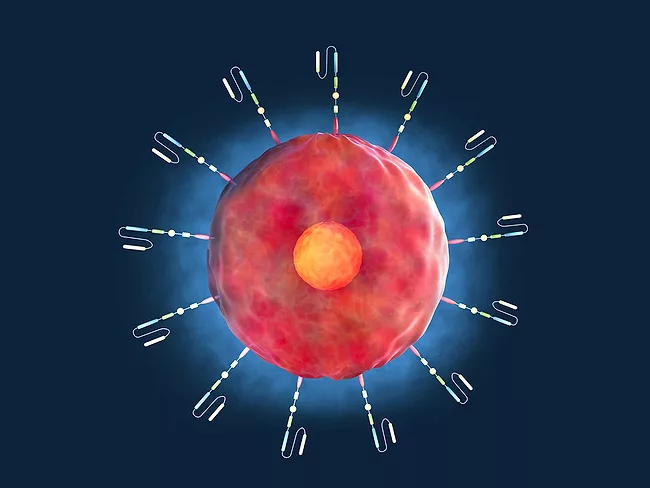
Immunofoco Biotechnology Co. Ltd. reported encouraging early clinical data for its CLDN18.2-targeted CAR T therapy, IMC-002, in heavily pretreated gastric and gastroesophageal junction cancer, adding momentum to the push to extend cellular immunotherapy into solid tumors.
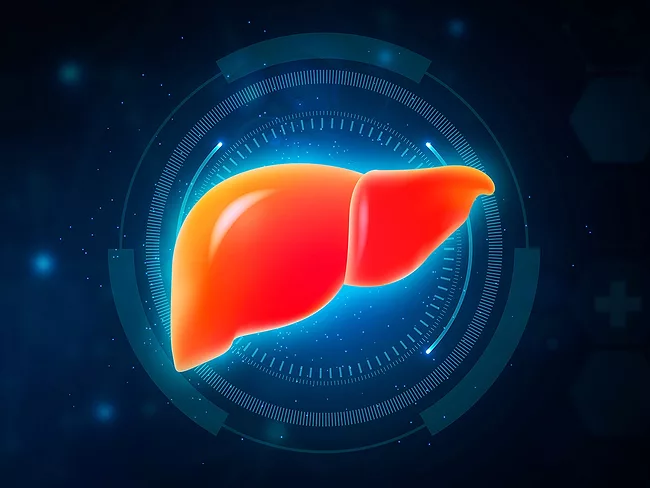
Astrazeneca plc is paying up to $630 million to acquire China rights to Abelzeta's Pharma Inc.’s C-CAR031 (AZD5851), an autologous glypican 3-targeting CAR T, securing global rights to develop, manufacture and commercialize the CAR T for liver cancer.
Early data of Waldenström’s non-Hodgkin lymphoma patients enrolled in a trial testing Immunitybio Inc.’s off-the-shelf allogeneic CD19 chimeric antigen receptor natural killer cell therapy (CAR-NK), used in combination with anti-CD20 drug rituximab, led to durable complete responses without lymphodepletion.
Immunofoco Biotechnology Co. Ltd. reported encouraging early clinical data for its CLDN18.2-targeted CAR T therapy, IMC-002, in heavily pretreated gastric and gastroesophageal junction cancer, adding momentum to the push to extend cellular immunotherapy into solid tumors.
Oricell Therapeutics Holdings Ltd. announced a $70 million series C1 round to expand its global footprint and speed clinical development of its CAR T therapies. The round was co-led by Beijing Medical and Health Care Industry Investment Fund, Qiming Venture Partners and a leading global health care fund.
Myrio Therapeutics Pty Ltd. has been able to accomplish something no other company has yet been able to crack: to develop binders where both the affinity and the specificity can be increased.
Myrio Therapeutics Pty Ltd. has been able to accomplish something no other company has yet been able to crack: to develop binders where both the affinity and the specificity can be increased.
Myrio Therapeutics Pty Ltd. has been able to accomplish something no other company has yet been able to crack: to develop binders where both the affinity and the specificity can be increased.
Tempest Therapeutics Inc. entered definitive agreements approved by its board to acquire certain dual-targeting CAR T programs from Factor Bioscience Inc. and its affiliates in an all-stock transaction expected to close in early 2026.
CEO Lynn Seely said Lyell Immunopharma Inc. is going “full steam ahead” with development of rondecabtagene autoleucel (ronde-cel, also known as LYL-314) amid the excitement of the firm’s latest news: the buy of global rights to LYL-273, an autologous guanylyl cyclase-C-targeted CAR T-cell candidate for metastatic colorectal cancer (mCRC), from Innovative Cellular Therapeutics Inc. (ICT) for an up-front payment of $40 million and 1.9 million shares of Lyell common stock.
 RSS
RSS