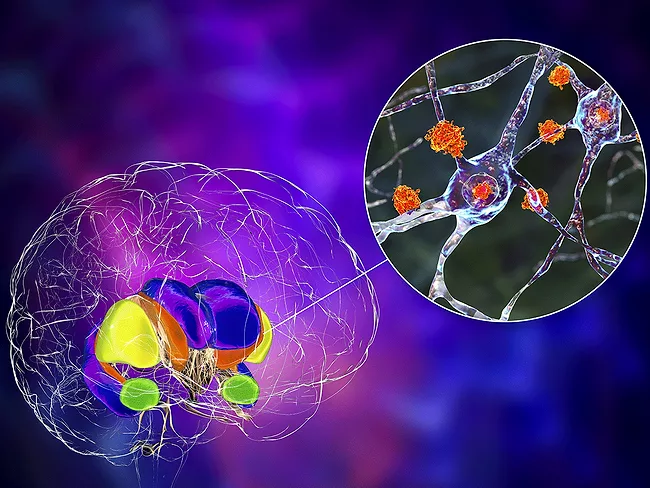
Researchers from Seelos Therapeutics Inc. presented the discovery and preclinical evaluation of a gene therapy candidate, SLS-009, for the treatment of Huntington’s disease (HD).
Coave Therapeutics aims to move its lead gene therapy program, CTx-PDE6b, for a form of retinitis pigmentosa (RP) into a pivotal trial in 2025 on the back of a phase I/II study, which uncovered a preliminary efficacy signal in one patient subgroup.
With overuse of opioids – the standard of care for many chronic pain cases – becoming something of an epidemic in the U.S., the availability of an alternative, non-opioid analgesic is a big draw. Established in 2021, Adolore Biotherapeutics Inc. is one company that could provide the answer, with its locally and long-acting gene therapies potentially providing a breakthrough that “knocks everybody’s socks off.”
Bietti’s crystalline corneoretinal dystrophy (BCD) is an autosomal recessive inherited disease caused by mutations in the cytochrome P450 (CYP) family 4 subfamily V member 2 (CYP4V2) gene, which encodes a polyunsaturated fatty acid (PUFA) hydroxylase dominantly expressed in retinal pigment epithelium (RPE) cells.
Mutations in the RPGRIP1 gene are associated with rare retinal dystrophies and most commonly with Leber congenital amaurosis (LCA) type 6, which is characterized by vision loss, among other symptoms.
Sialidosis is a lysosomal storage disease caused by mutations in the NEU1 gene, which encodes sialidase neuraminidase 1. These mutations lead to enzyme deficiency and subsequently accumulation of oligosaccharides and sialylated glycopeptides in tissues and body fluids, which in turn lead to cell and organ dysfunction. There are no approved therapies. Three different AAV9 vectors encoding NEU1 were developed and tested by UMass Chan Medical School researchers in the preclinical setting in mice.
NGGT (Suzhou) Biotechnology Co. Ltd. has presented preclinical data on an AAV vector approach that expresses human PAH, rAAV8-PAH, also known as NGGT-002. NGGT-002 has liver tropism and it was codon-optimized for expressing PAH in the liver.
Amplo Biotechnology Inc. has been awarded a fast track phase I/II Small Business Technology Transfer (STTR) grant from the National Institute of Arthritis and Musculoskeletal and Skin Diseases (NIAMS) of the National Institutes of Health (NIH) to fund further development of AMP-201, an AAV-ColQ gene therapy designed to address congenital myasthenic syndrome caused by collagen Q (ColQ) deficiency.
With overuse of opioids – the standard of care for many chronic pain cases – becoming something of an epidemic in the U.S., the availability of an alternative, non-opioid analgesic is a big draw. Established in 2021, Adolore Biotherapeutics Inc. is one company that could provide the answer, with its locally and long-acting gene therapies potentially providing a breakthrough that “knocks everybody’s socks off.”
Spinal muscular atrophy (SMA) is caused by mutations in the SMN1 gene, which encodes survival motor neuron 1, leading to reduced protein expression levels and degeneration of motor neurons in the spinal cord, with the consequent muscle atrophy. There is thus a need for new AAV gene therapies for SMA that confer better safety and efficacy.
 RSS
RSS