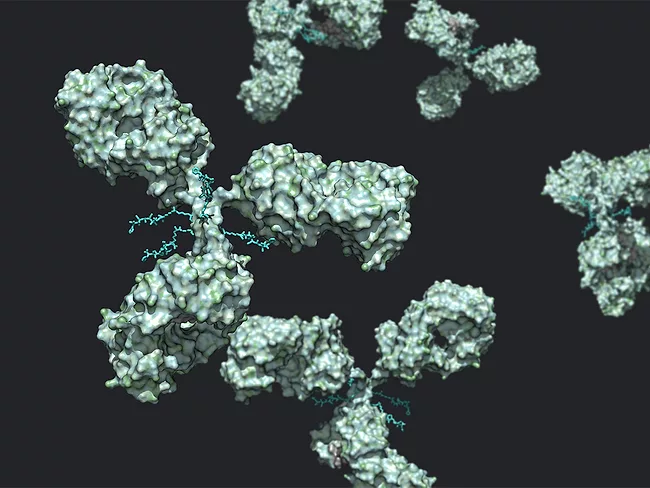
M-3554 is an antibody-drug conjugate (ADC) targeting GD2; it has shown strong antitumor activity in neuroblastoma xenograft models and has been engineered to reduce anti-GD2 antibody-associated pain.
Researchers from Northeast Agricultural University and Jiangsu Kanion Pharmaceutical Co. Ltd. aimed to improve the oncolytic effect of existing Newcastle disease virus (NDV) vectors using engineering strategies to accelerate their clinical translation.
Nectin-4 is a cell-adhesion molecule that is highly expressed in several malignancies, including bladder, colorectal, lung and breast cancers, while exhibiting minimal expression in most normal adult tissues.
Researchers from Compass Therapeutics Inc. detailed the preclinical characterization of CTX-10726, a bispecific, tetravalent antibody that simultaneously targets VEGF-A and PD-1.
A paper from Onchilles Pharma Inc. and collaborating institutions details the development of N-17350, a next-generation therapeutic elastase optimized for intratumoral delivery that targets the neutrophil elastase pathway.
Crossbridge Bio Inc. has been awarded a $15 million grant from the Cancer Prevention and Research Institute of Texas (CPRIT) to support completion of IND-enabling activities and advancement of CBB-120 into first-in-human studies.
Human endogenous retroviruses (HERVs) are residues from ancient viral infections that have become integrated into the human genome. One of them – HERV-K – is aberrantly reactivated in solid tumors but silent in healthy tissues.
Researchers at Tubulis GmbH reported preclinical efficacy data on TUB-030, a novel 5T4-targeting antibody-drug conjugate (ADC), in several sarcoma subtypes.

 RSS
RSS