Researchers from Sungkyunkwan University and Txinno Bioscience Inc. recently presented their work where they aimed to design, synthesize and evaluate ectonucleotide pyrophosphatase/phosphodiesterase 1 (ENPP1) inhibitors containing a benzotriazole core and a sulfonimidamide Zn binder.
Researchers from the Sino-American Cancer Foundation and Taipei Medical University have developed a novel nanobody-based CAR T-cell platform directed against C-type lectin-like molecule-1 (CLL-1) for the possible treatment of acute myeloid leukemia (AML).
Liminatus Pharma Inc. has announced plans to conduct a phase I trial of IBA-101, a next-generation CD47-blockade antibody designed to work alongside PD-1/PD-L1 checkpoint inhibitors across a range of solid tumors.
Mestag Therapeutics Ltd. has raised a $40 million round from existing investors as it completes final preparations for its lead program MST-0312 to enter clinical development in mid-2026. MST-0312 is a bispecific antibody aimed at the lymphotoxin-β receptor (LTBR), which is essential for the development of lymphoid tissues.
Eisai Co. Ltd. has patented immunoconjugates comprising monoclonal antibodies targeting 5’-nucleotidase (CD73) covalently linked to cytotoxic drug. They are reported to be useful for the treatment of cancer.
In a recent publication, researchers from Johnson & Johnson presented a bispecific antibody – JNJ-79032421 – targeting CD3 on T cells and the membrane-restricted, non-shed region of full-length mesothelin (MSLN) on cancer cells.
Akeso Inc.’s first-in-class trispecific antibody, AK-150, has received IND clearance from China’s National Medical Products Administration (NMPA) for clinical trials in patients with advanced solid tumors. Engineered using Akeso’s AI-driven drug discovery platform and its proprietary Tetrabody technology, AK-150 is a humanized anti-CSF-1R, ILT2 and ILT4 trispecific antibody that achieves multipathway blockade of both innate and adaptive immunity.
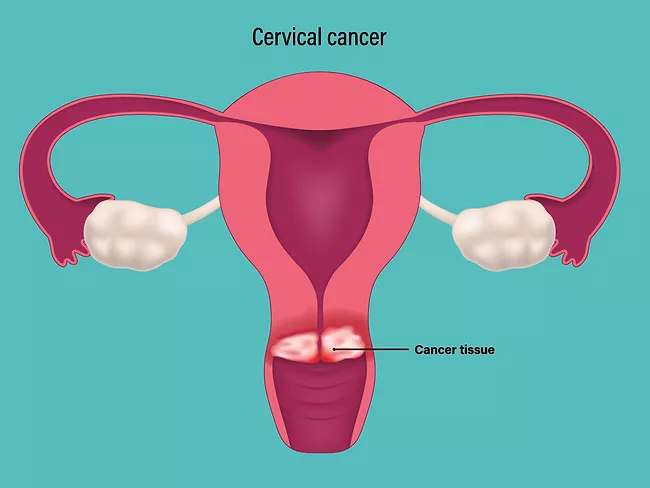
Cbio A/S has received European regulatory clearance to begin a first-in-human trial of novoleucel, the company’s next-generation T-cell therapy, in late-stage cervical cancer. The phase I/IIa study will enroll patients with persistent or recurrent cervical cancer at Karolinska University Hospital.
Valanx Biotech Gmbh has secured €3 million (US$4 million) in funding to advance its lead antibody-drug conjugate (ADC) program. The financing will enable preclinical development of VLX-ADC-001.
 RSS
RSS