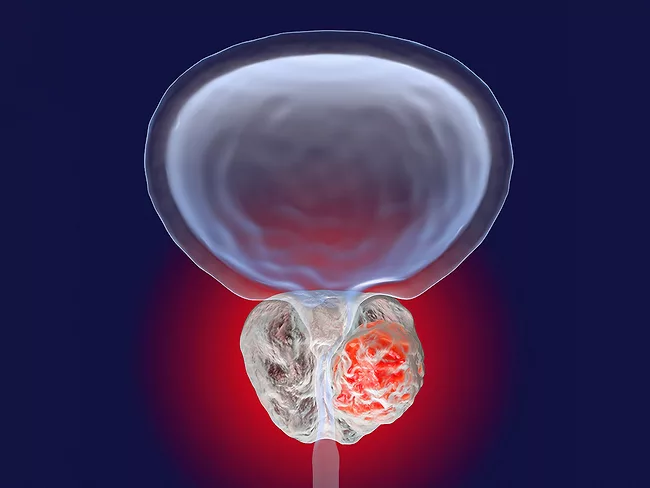
At the ESMO Targeted Anticancer Therapies Congress held this week in Paris, researchers at Mabqi SAS presented the preclinical characterization of MQI-201, an anti-TRPV6 therapeutic antibody in models of metastatic prostate cancer.
Researchers from Sungkyunkwan University and Txinno Bioscience Inc. recently presented their work where they aimed to design, synthesize and evaluate ectonucleotide pyrophosphatase/phosphodiesterase 1 (ENPP1) inhibitors containing a benzotriazole core and a sulfonimidamide Zn binder.
Researchers from the Sino-American Cancer Foundation and Taipei Medical University have developed a novel nanobody-based CAR T-cell platform directed against C-type lectin-like molecule-1 (CLL-1) for the possible treatment of acute myeloid leukemia (AML).
Liminatus Pharma Inc. has announced plans to conduct a phase I trial of IBA-101, a next-generation CD47-blockade antibody designed to work alongside PD-1/PD-L1 checkpoint inhibitors across a range of solid tumors.
Mestag Therapeutics Ltd. has raised a $40 million round from existing investors as it completes final preparations for its lead program MST-0312 to enter clinical development in mid-2026. MST-0312 is a bispecific antibody aimed at the lymphotoxin-β receptor (LTBR), which is essential for the development of lymphoid tissues.
Eisai Co. Ltd. has patented immunoconjugates comprising monoclonal antibodies targeting 5’-nucleotidase (CD73) covalently linked to cytotoxic drug. They are reported to be useful for the treatment of cancer.
In a recent publication, researchers from Johnson & Johnson presented a bispecific antibody – JNJ-79032421 – targeting CD3 on T cells and the membrane-restricted, non-shed region of full-length mesothelin (MSLN) on cancer cells.
Akeso Inc.’s first-in-class trispecific antibody, AK-150, has received IND clearance from China’s National Medical Products Administration (NMPA) for clinical trials in patients with advanced solid tumors. Engineered using Akeso’s AI-driven drug discovery platform and its proprietary Tetrabody technology, AK-150 is a humanized anti-CSF-1R, ILT2 and ILT4 trispecific antibody that achieves multipathway blockade of both innate and adaptive immunity.
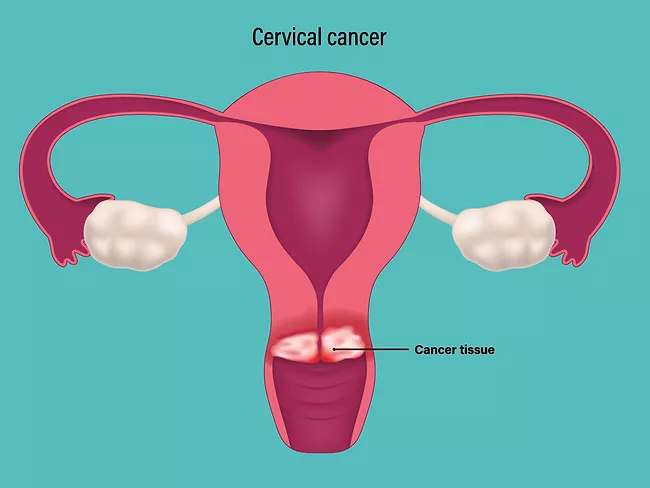
Cbio A/S has received European regulatory clearance to begin a first-in-human trial of novoleucel, the company’s next-generation T-cell therapy, in late-stage cervical cancer. The phase I/IIa study will enroll patients with persistent or recurrent cervical cancer at Karolinska University Hospital.
 RSS
RSS